Our ERP Integration Services in Detroit
- Full system audit and integration architecture design across your complete technology stack
- EDI integration for automotive OEM and Tier 1 supply chain requirements: 850, 856, 810, 997, and custom transaction sets
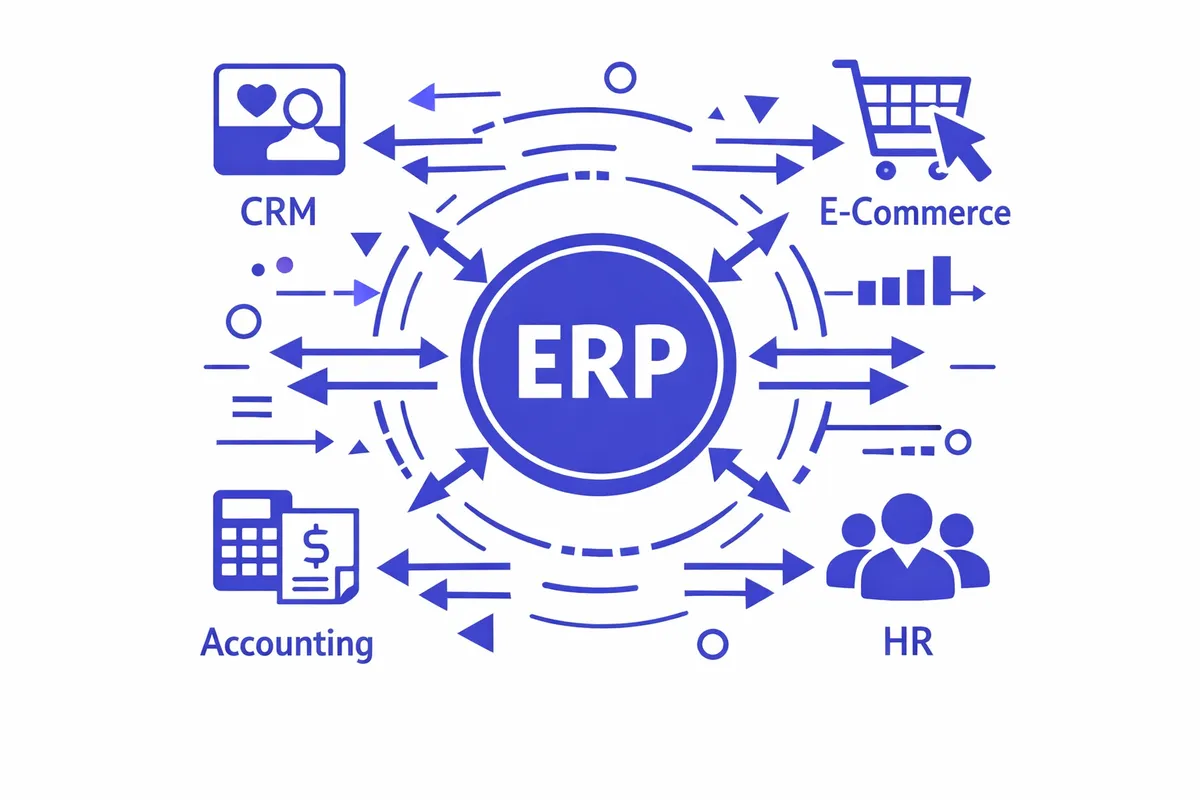
- ERP-to-CRM integration for unified customer, account, and quote-to-cash data
- MES and shop floor system integration for real-time production data posting
- E-commerce and dealer portal integration for order and pricing data flows
- Warehouse and logistics management system connectivity
- Financial system, banking, and treasury integration with reconciliation automation
- HR, payroll, and benefits system connectivity
- Custom API and middleware development for proprietary automotive and manufacturing systems
- Integration monitoring dashboards with real-time health visibility
- Automated error alerting, retry logic, and EDI exception management
- Real-time and batch synchronization based on operational timing requirements
- EDI partner onboarding support and trading partner certification assistance
Industries We Serve in Detroit
Automotive OEMs, Tier 1 and Tier 2 Suppliers: The Metro Detroit automotive supply chain depends on EDI integration for commercial viability. We build and maintain EDI integrations that comply with Ford, GM, Stellantis, and other OEM customer requirements with the reliability that production supply chains demand. EDI exception rates and trading partner scorecard performance directly affect supplier relationships, and we design integrations with that commercial reality in mind.
Manufacturing and Industrial: Metro Detroit manufacturers outside automotive connect ERP to production management systems, quality platforms, and outbound shipping with the data volume and real-time requirements that manufacturing operations demand. Automation Alley corridor manufacturers transitioning to smart manufacturing need ERP integration with MES and IoT data platforms.
Healthcare and Hospital Systems: Henry Ford Health, Beaumont, the Detroit Medical Center, and McLaren manage supply chain, billing, HR, and clinical financial data across platforms built by different vendors. We design healthcare ERP integrations with data accuracy, compliance documentation, and audit trail requirements built into the architecture from day one.
Technology Companies and Startups: TechTown and Corktown companies connect ERP to Salesforce, HubSpot, billing platforms, and financial reporting tools. We design for fast-growth environments where the technology stack changes frequently and integrations need to be maintainable as both ERP and connected systems evolve.
Logistics and Warehousing: Metro Detroit logistics companies connect ERP to WMS, TMS, and carrier platforms with real-time requirements driven by the urgency and volume of their freight operations.
Defense and Aerospace Contractors: Michigan defense contractors have EDI and data interchange requirements with government customers and prime contractors. We design integrations that meet the specific technical standards of defense supply chain data exchange.
What to Expect
System Audit and Discovery: We document your complete technology stack, map all current and planned data flows, assess the API and EDI capabilities of each system, identify data quality issues and trading partner specification gaps, and estimate integration complexity and risk. For EDI projects, we review OEM customer implementation guides and past trading partner exception reports before designing anything.
Architecture and Design: We produce detailed integration architecture documentation including EDI transaction flow diagrams, data model mappings, transformation logic specifications, error handling design, and trading partner onboarding plan. All designs are reviewed and approved before development begins.
Build, Testing, and Certification: We build integrations with monitoring and error handling built in from the start. For EDI integrations, we conduct structured testing against OEM customer test environments and support the certification process that trading partners require before approving production data exchange. We test edge cases and volume scenarios, not just standard transaction paths.
Launch, Monitoring, and Support: We launch with monitoring active and provide a stabilization period with close oversight. We deliver complete documentation and offer ongoing maintenance support through retainer arrangements that cover monitoring, error resolution, and updates triggered by trading partner specification changes or system updates.