How We Build POS Operations for Sioux Falls
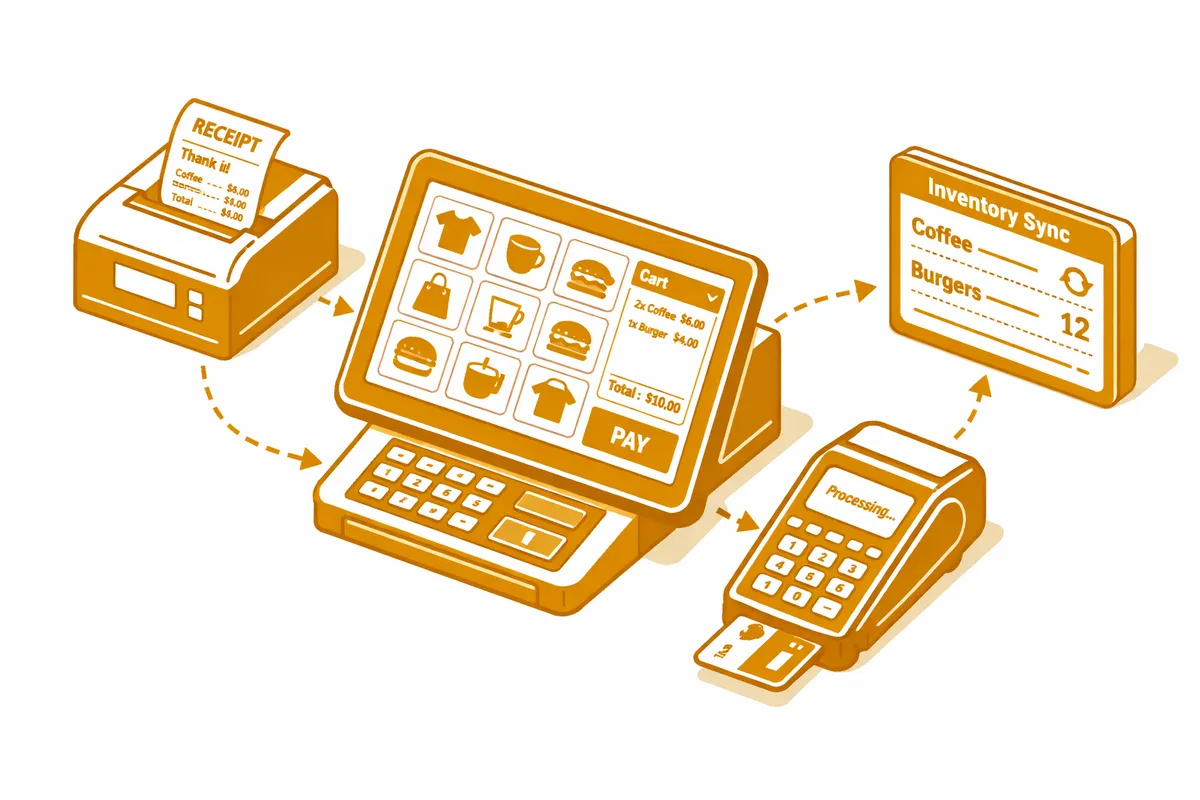
- POS platform selection grounded in your operating model, ticket volume, integration requirements, and growth plan
- Restaurant POS configuration including menu engineering, modifier setup, kitchen display integration, table management, server flow, and tip handling
- Retail POS configuration including SKU architecture, variant management, inventory location setup, transfer workflows, and receiving processes
- Online ordering integration with first-party storefronts, DoorDash, Grubhub, Uber Eats, and direct mobile ordering through the POS provider
- Payment processor selection and negotiation including interchange-plus pricing review and effective rate analysis
- Loyalty program design and integration covering customer capture, point accrual, redemption mechanics, and segmentation
- Email and SMS marketing integration so guest data flowing through the POS feeds the marketing program
- Accounting integration with QuickBooks Online, Xero, or NetSuite including daily sales summary, deposit reconciliation, and tip allocation
- Inventory and 86 management with low-stock alerts, automated reorder triggers, and cost-of-goods reporting
- Multi-location architecture for operators expanding across Phillips Avenue, 41st Street, Empire Mall area, Brandon, Tea, and Harrisburg
- Hardware specification, procurement coordination, and on-site installation support
- Staff training, quick reference materials, and post-launch support during the first 30 days
- Reporting dashboards covering daily sales, labor as a percentage of revenue, food cost variance, top SKUs, and customer retention
Industries We Serve in Sioux Falls
Construction & Home Services. Trades-adjacent retail operators including building supply, paint, hardware, plumbing supply, electrical supply, and outdoor power equipment dealers serving the $1B+ permit market need POS systems that handle contractor accounts, job-based purchasing, tax exemption certificates, and credit terms. We build retail POS architectures that integrate with the contractor billing workflow rather than treating every transaction as a one-off cash sale.
Real Estate. Title companies, real estate brokerages with retail-style storefronts, and home staging supply operators in the Sioux Empire use POS-adjacent transaction systems for closing fees, supply orders, and event-based service charges. We configure systems that match the irregular transaction patterns of these category-adjacent operators.
Specialty Healthcare. Med spas, optometry retail dispensaries, physical therapy product retail, and dental supply pickup operations on Western Avenue and the 41st Street corridor run retail-grade POS for the consumer-facing portion of the business. We integrate the retail POS with the practice management system so inventory and revenue reporting are unified.
Financial Services. Credit unions and member-owned financial institutions running on-site retail or member service operations use POS-adjacent transaction systems for fee collection, supplies, and event activations. We configure systems that match the compliance and audit requirements of regulated financial entities.
Senior Care. Assisted living and memory care operators with on-site cafes, gift shops, beauty salons, and family event services use POS systems for the retail revenue that supports the resident experience. South Dakota's #6 retirement state demographic produces meaningful family-spend volume around resident events, and we build the POS architecture that captures it correctly.
Manufacturing & Professional Services. Manufacturers with factory store retail operations, A/E firms with print and reprographics revenue lines, law firms running notary and document retail services, and consulting practices with publication or course commerce use POS-grade systems for the consumer-facing transaction layer. We configure these systems to integrate with the firm's accounting and CRM stack rather than running as isolated revenue lines.
What to Expect Working With Us
Step 1: Operating Audit. We sit on the floor during a real operating shift, watch the transaction flow, review your current daily and weekly reports, and document where the existing POS is creating friction or hiding revenue. The audit produces a concrete picture of what is actually happening, not what the platform sales rep promised.
Step 2: Platform Selection and Configuration. We recommend the right POS platform for your operating model, negotiate the payment processor terms, and build the configuration including menu, SKU architecture, modifier logic, table or floor plan, kitchen display, and integration map. You approve before any hardware ships.
Step 3: Build, Train, and Cut Over. Hardware arrives and gets installed. Integrations are wired. Staff trains in advance of cutover. We run a parallel period where the new system runs alongside the old one for the first few shifts so the team builds fluency without service risk. Once the floor is comfortable, the legacy system retires.
Step 4: Operate and Report. Post-launch support runs through the first 30 days. Reporting dashboards go live with daily, weekly, and monthly views tied to the metrics that actually drive decisions. We tune the system at 30, 60, and 90 days based on real operating data.