Our POS Systems Services in New York
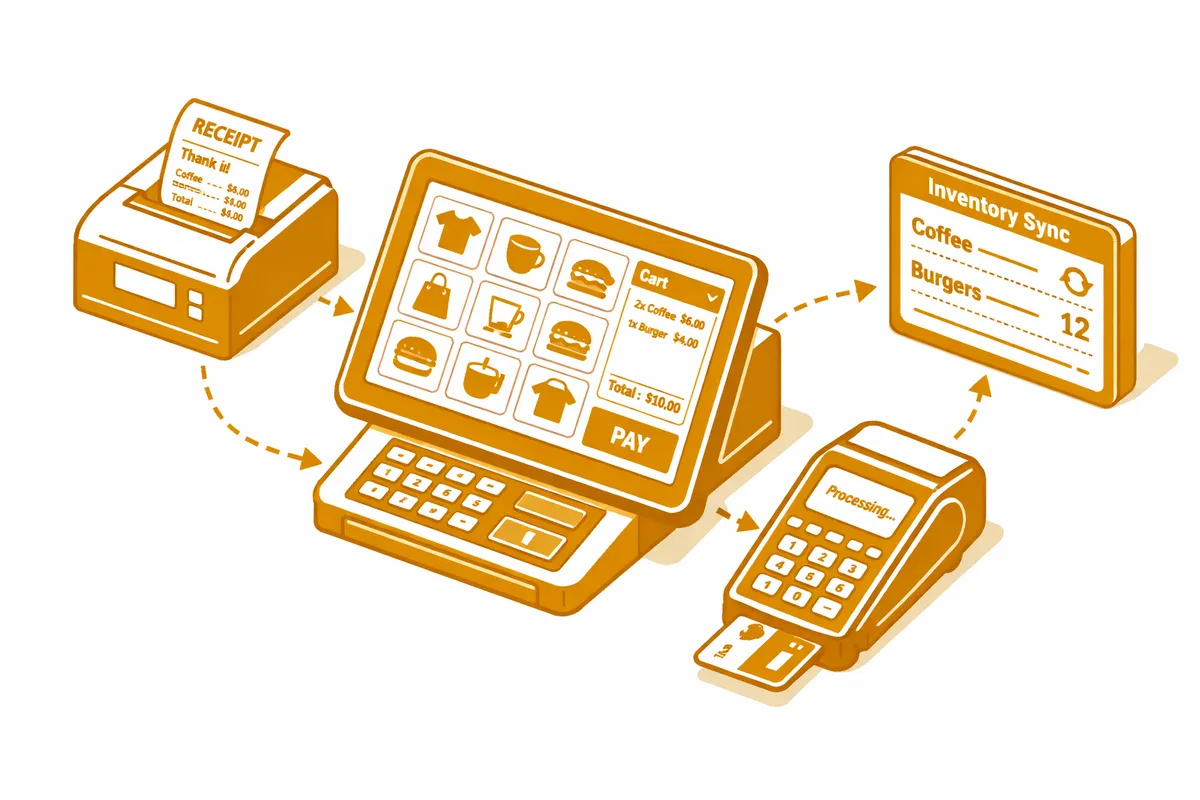
- Custom POS interface development for New York restaurants, retail boutiques, food halls, and service businesses
- Payment processing integration with competitive New York processor options optimized for your transaction volume
- Real-time inventory management with low-stock alerts, waste tracking, and automated purchase order generation
- Customer loyalty and relationship management programs with neighborhood-specific promotion capabilities
- Employee management, tip pooling configurations, and role-based permission structures
- Multi-location and multi-vendor management with centralized reporting and simultaneous menu push
- Mobile POS for New York food trucks, pop-up events, outdoor markets, and rooftop venues
- Kitchen display system integration routing orders from all channels to correct preparation stations
- Third-party delivery platform integration for DoorDash, Grubhub, and Uber Eats
- New York compliance features including surcharge disclosure, tipping transparency requirements, and specific receipt content mandates
- Reservation system integration with OpenTable, Resy, and Tock
Industries We Serve in New York
Restaurants Across All Five Boroughs: From fine dining in Midtown to neighborhood restaurants in Brooklyn and Queens, New York's restaurant landscape spans every service format and price point. We build POS interfaces appropriate to each format, with the performance, modifier complexity, and integration capabilities that New York operators require.
Food Halls and Multi-Vendor Markets: DUMBO, the Lower East Side, Sunset Park, and other New York neighborhoods with food hall formats require POS architecture where vendors have operational independence and operators have consolidated oversight and settlement reporting. We build these systems as coherent architectures.
Retail Boutiques: SoHo, the Upper West Side, Williamsburg, and other New York retail neighborhoods have boutiques with inventory structures ranging from standard SKU-based retail to consignment, vintage, and artisan goods. We build retail interfaces designed for your specific inventory logic.
Specialty Beverage and Hospitality: New York wine bars, sake bars, cocktail bars, and specialty beverage venues need POS that handles complex beverage programs, bottle service management, and the tipping and compliance requirements specific to New York's on-premise beverage market.
Service Businesses: New York salons, spas, and personal service businesses use POS integrated with appointment management, service packages, retail upsells, and client relationship tracking in a single operational system.
Catering and Events: Catering companies serving New York's relentless corporate and social event market across Manhattan venues, Brooklyn event spaces, and outdoor locations need mobile POS that works reliably across diverse environments with event-specific pricing.
What to Expect
Discovery and Operations Analysis: We begin by walking through your specific operation, including the workflows, formats, pain points, and compliance requirements that define your POS needs. For food halls, this includes the vendor structure, operator responsibilities, and settlement requirements. For restaurants, this includes the service format, delivery channel mix, and reservation system relationships.
System Design and Compliance Review: We design the POS architecture and conduct a compliance review of the tipping, surcharge, and receipt content requirements applicable to your business. New York's regulatory environment for hospitality businesses is specific, and we address compliance during design rather than after the fact.
Build, Configure, and Test: We build and configure the system with your actual menu, inventory, and compliance configurations. We load test for your peak scenario. For Lower East Side bars and SoHo boutiques with high-volume periods, this testing is essential.
Training, Soft Launch, and Go-Live: We train your staff, run a soft launch period, and execute go-live with on-site support available during initial high-volume service.