Multi Agent Systems
AI Teams. Not AI Tools.

What We Do
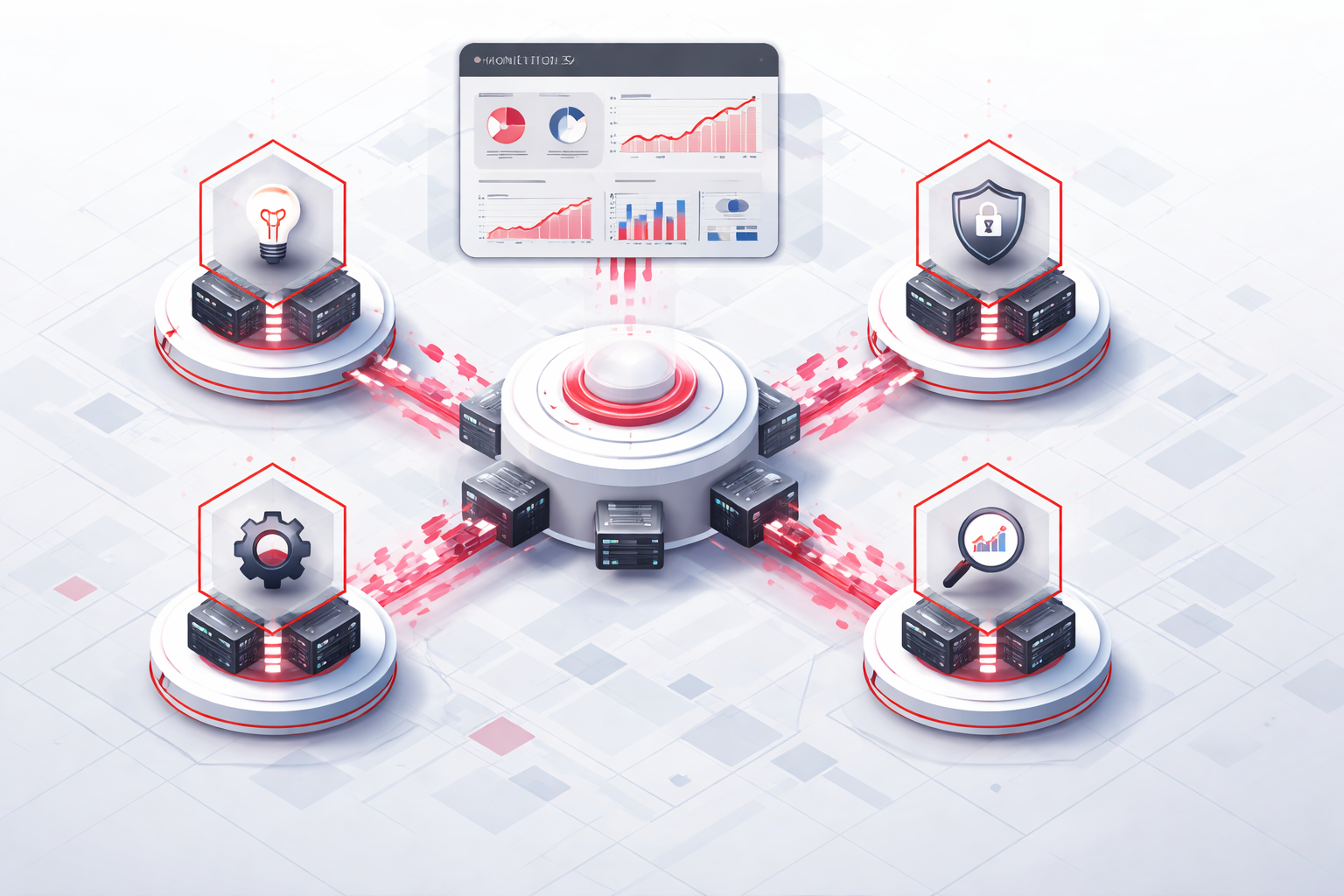
Single-purpose AI tools solve single problems. Multi-agent systems solve workflows. Instead of one model handling everything, a multi-agent system orchestrates specialized AI agents that collaborate on complex tasks. One agent researches. Another drafts.
A third reviews for accuracy. A fourth formats and delivers. Each agent is optimized for its specific role, and the system coordinates them like a team. This architecture handles tasks that no single prompt or model call can reliably complete: multi-step research, document generation with fact-checking, sales pipeline automation, customer onboarding sequences, regulatory compliance workflows. We build multi-agent systems that replace entire manual processes, not just individual steps within them.
How We Work
We map your target workflow end to end: every decision point, handoff, data dependency, and quality checkpoint. From that map we design the agent architecture. Each agent gets a defined role, a specific set of tools it can access, and clear input/output contracts with the other agents in the system. The orchestration layer manages execution order, handles branching logic, manages retries on failure, and ensures the final output meets quality thresholds before delivery.
We build on production-grade frameworks including Claude Agent SDK, LangGraph, and CrewAI depending on your infrastructure requirements. Every system includes monitoring dashboards that show agent activity, execution traces, cost tracking, and error logs. Testing covers both individual agent performance and end-to-end system behavior under realistic conditions.
Why Running Start Digital
Pricing
From $15,000
Typical turnaround: 8-20 weeks
Includes
Frequently Asked Questions
A system where multiple AI agents with specialized roles collaborate to complete complex tasks. One agent might research, another might draft content, a third might fact-check, and a fourth might format the output. The orchestration layer coordinates their work.
When your workflow has multiple distinct steps that require different skills or data sources. If a single prompt cannot reliably handle the full task, a multi-agent system breaks it into manageable sub-tasks that each agent handles well.
Claude Agent SDK for Anthropic-native systems, LangGraph for complex stateful workflows, and CrewAI for role-based agent teams. We select the framework based on your infrastructure, latency requirements, and integration needs.
Each agent has retry logic with fallback strategies. The orchestration layer monitors outputs against quality thresholds and can re-route tasks or escalate to human review when confidence is low.
A real-time dashboard showing each agent's activity, execution traces for every run, token and cost tracking per agent and per workflow, error rates, and latency metrics. You see exactly what the system is doing and where it spends time and money.
A focused system automating one workflow takes 6 to 10 weeks. Enterprise systems with multiple interconnected workflows take 12 to 20 weeks. Complexity depends on the number of agents, integrations, and quality requirements.
Ready to get started?
Start with a $7,500 deposit. Balance due on delivery.