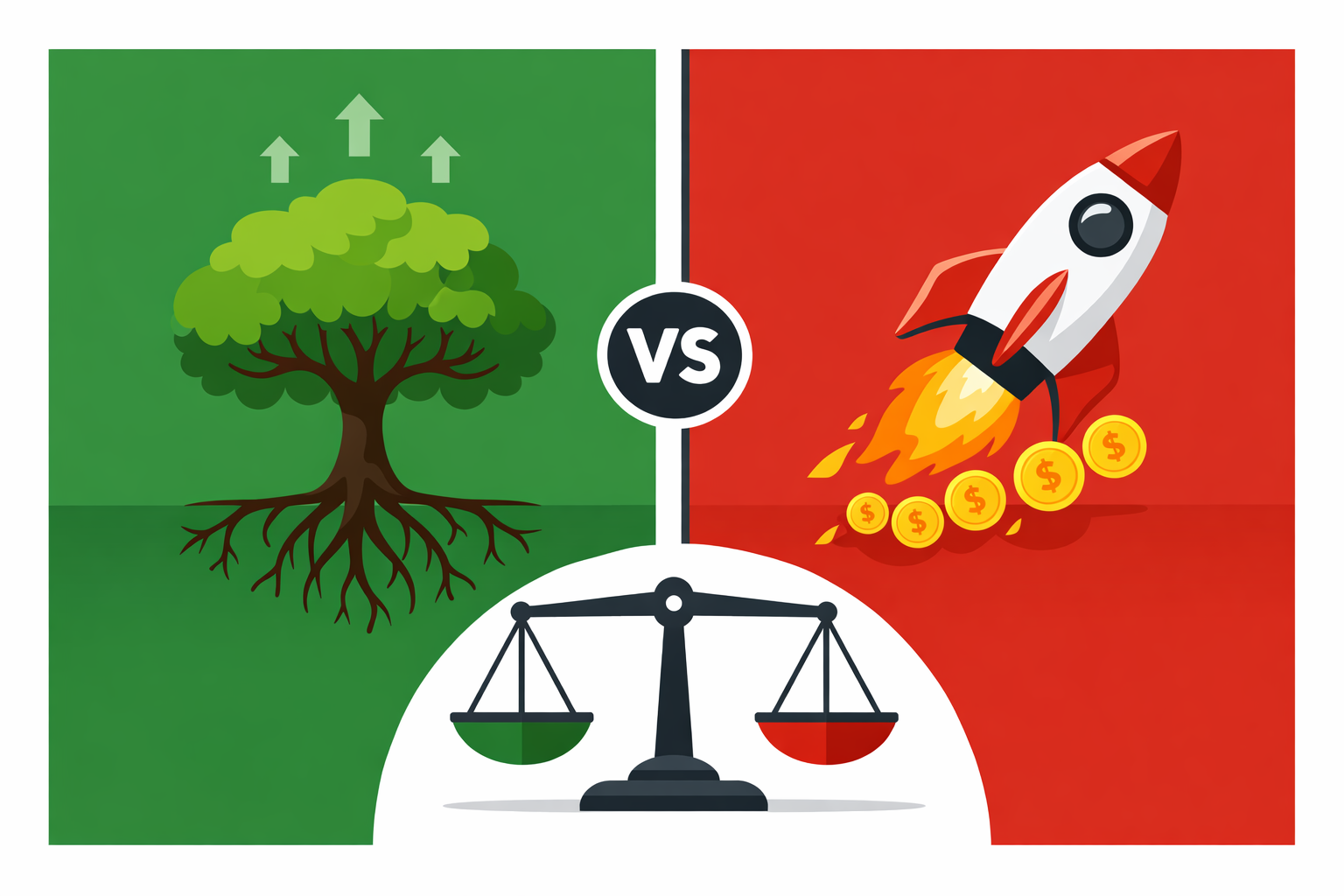
Local SEO: The Complete Breakdown
What It Includes
Local SEO for trades is not a single tactic. It is a system with several interconnected components.
Google Business Profile optimization. This is the most important piece. Your GBP listing determines whether you appear in the local map pack, which sits above organic results and captures the majority of clicks for "near me" searches. Optimization includes complete business information, proper category selection, regular posts, photo uploads, Q&A management, and service area configuration.
On-page SEO. Service pages, location pages, and blog content optimized for the specific phrases your potential customers search. A roofing company needs separate pages for roof repair, roof replacement, storm damage repair, and each service area they cover. Each page targets specific search intent.
Technical SEO. Site speed, mobile responsiveness, structured data markup, proper URL structures, and crawlability. For trades websites, speed is especially critical because most searches happen on mobile devices during stressful moments. A site that takes four seconds to load loses more than half its visitors.
Citation building. Consistent business name, address, and phone number across hundreds of online directories. Google uses these citations to verify your business legitimacy and location accuracy.
Review generation. Systematic processes to ask satisfied customers for reviews on Google, Yelp, and industry-specific platforms. Review velocity, recency, and rating all influence local rankings.
Link building. Earning backlinks from local news sites, industry directories, supplier websites, and community organizations. These signals tell Google your business is authoritative in your market.
Cost Structure
Most trades businesses spend between $1,500 and $5,000 per month on local SEO services. This covers ongoing content creation, GBP management, technical maintenance, citation building, and reporting. The spend stays relatively constant regardless of how many leads you generate, which means your cost per lead decreases over time as rankings improve.
Timeline to Results
Months 1 through 2. Foundation work. GBP optimization, technical fixes, initial content. You may see some improvement in GBP visibility if your profile was previously incomplete.
Months 3 through 4. Content begins indexing. Rankings start moving for lower-competition keywords. Phone calls from Google Business Profile increase noticeably.
Months 5 through 8. Meaningful ranking improvements for primary service keywords. Organic traffic increases 50% to 100% from baseline. Lead volume from organic channels becomes consistent.
Months 9 through 12. Competitive keywords begin ranking on page one. The local map pack becomes a reliable lead source. Cost per lead from organic drops below $20 to $40 for most trades.
Year 2 and beyond. Compounding takes over. Content published months ago continues generating traffic. Review momentum makes your listing increasingly difficult to displace. Your cost per lead approaches single digits while competitors continue paying $50 to $200 per click.
Best For
- Trades businesses planning to operate for years, not months
- Companies in markets with moderate competition
- Businesses that can wait three to six months for significant lead flow
- Operators who want to reduce long-term dependence on paid advertising
- Multi-service companies with many keyword opportunities
PPC: The Complete Breakdown
What It Includes
PPC for trades typically involves three ad platforms.
Google Search Ads. Text ads that appear at the top of search results for keywords like "plumber near me" or "AC repair [city]." You bid on keywords and pay per click. The advertiser with the highest bid and best quality score wins the top position.
Google Local Service Ads (LSAs). Pay-per-lead ads that appear above standard search ads. You pay only when a customer calls or messages through the ad. LSAs display your business name, rating, and "Google Guaranteed" badge. These are the highest-converting ad format for trade businesses.
Meta Ads (Facebook and Instagram). Awareness and retargeting campaigns. Less effective for emergency services but useful for planned projects like kitchen remodels, landscaping design, and solar installations.
Cost Structure
PPC costs vary dramatically by trade, market, and competition level.
Google Search Ads cost per click: - Plumbing: $15 to $60 per click - HVAC: $20 to $80 per click - Roofing: $25 to $100 per click - Electrical: $12 to $50 per click - Landscaping: $5 to $25 per click - Painting: $8 to $35 per click
Google LSA cost per lead: - Typically $20 to $100 per lead depending on trade and market - You pay per lead, not per click - Leads can be disputed if they are spam or irrelevant
Conversion rates for well-optimized campaigns run between 5% and 15% for search ads. This means you need 7 to 20 clicks to generate one lead. At $40 per click for an HVAC campaign, a single lead costs between $280 and $800 through standard search ads.
Timeline to Results
Week 1. Campaigns launch. First clicks and calls begin arriving. Data collection starts.
Weeks 2 through 4. Initial optimization based on early performance data. Underperforming keywords paused. Ad copy tested. Bid adjustments made.
Months 2 through 3. Campaign reaches optimized performance. Cost per lead stabilizes. You have enough data to make informed decisions about budget allocation.
Ongoing. Continuous optimization required to maintain performance. Competitors adjust bids. Google changes algorithms. Seasonal demand shifts require budget reallocation.
Best For
- New businesses that need leads immediately
- Companies entering a new market or service area
- Seasonal campaigns tied to specific services
- Businesses testing new service offerings
- Operators who need predictable, controllable lead volume
The Decision Framework
Use this framework to determine where your first marketing dollar should go.
Start With PPC If:
You need leads within 30 days. PPC is the only channel that produces qualified leads in the first month. If your calendar is empty and you need revenue now, run Google LSAs and search ads while building your organic foundation.
You are new to a market. A new plumbing company in a competitive metro area will take 6 to 12 months to rank organically. PPC lets you generate leads from day one while you build organic authority.
You have seasonal urgency. Storm season for roofers. Summer for HVAC companies. Spring for landscapers. If peak season is approaching and you are not ranking organically, PPC captures the revenue you would otherwise miss.
Your budget is below $2,000 per month. At very low budgets, PPC gives you more control over exactly which keywords and areas you target. You can generate a predictable number of leads with a small, focused campaign.
Start With Local SEO If:
You can invest for six months before expecting significant returns. Local SEO is a long game. If you have enough work to sustain the business for six months while organic rankings build, SEO delivers dramatically better long-term economics.
Your competition is not investing in SEO. In many local markets, trade businesses have weak websites and incomplete Google Business Profiles. If your competitors are not investing in SEO, you can establish dominance quickly and cheaply.
Your cost per click is extremely high. In competitive metros where HVAC clicks cost $60 to $80, organic rankings become essential for profitability. You cannot sustain $500 to $800 cost per lead indefinitely.
You operate a multi-service business. A general contractor or multi-trade operator has dozens of keyword opportunities across different services and locations. SEO lets you capture all of them with a content strategy. PPC would require an enormous budget to cover that many keywords.
The Best Answer: Both
The highest-performing trade businesses we work with invest in both channels from the start. The allocation shifts over time.
Phase 1 (Months 1 through 6): 60% PPC, 40% SEO. Paid ads generate immediate leads and revenue. SEO investment begins building the organic foundation.
Phase 2 (Months 7 through 12): 40% PPC, 60% SEO. Organic rankings start contributing meaningful lead volume. PPC budget can decrease or shift to new markets and services.
Phase 3 (Year 2 and beyond): 20% PPC, 80% SEO. Organic traffic becomes the primary lead source. PPC handles seasonal peaks, new service launches, and markets where organic rankings are still building.
This phased approach ensures you never have a gap in lead flow while building toward the most cost-effective long-term marketing engine.
Our Approach
Running Start Digital builds integrated local SEO and PPC strategies for trade businesses. We do not treat them as separate services that operate in isolation. The data from your PPC campaigns informs your SEO keyword strategy. Your SEO content improves your PPC quality scores. Your Google Business Profile supports both channels simultaneously.
Every client receives a clear recommendation on budget allocation based on their specific situation: market competition, current digital presence, seasonal patterns, and growth goals. We adjust the mix quarterly as results evolve.
Results You Can Expect
From local SEO (6 to 12 month horizon): - 3x to 5x increase in organic search visibility - Cost per organic lead between $10 and $40 - Google Business Profile appearing in local map pack for primary services - 50+ new reviews generated in the first year - Content assets that continue generating leads for years
From PPC (1 to 3 month horizon): - Leads within the first week of launch - Cost per lead between $30 and $150 depending on trade and market - Clear ROI data to justify continued investment - Ability to scale up or down based on capacity
From the combined approach: - No gap in lead flow during the organic ramp-up period - Declining overall cost per lead as organic takes over - Market dominance across both paid and organic search results - Resilience against competitor moves or algorithm changes
Frequently Asked Questions
Should I stop PPC once my SEO rankings are strong?
Not necessarily. Even businesses with dominant organic rankings use PPC for specific purposes. LSAs provide an additional lead source above organic results. Search ads are useful for promoting new services, targeting adjacent markets, or capturing seasonal demand spikes. The key is reducing PPC dependency, not eliminating it entirely.
How do I know if my local SEO is working?
Track three metrics monthly. First, your Google Business Profile views and actions (calls, direction requests, website clicks). Second, organic traffic to your website from Google Analytics. Third, the number of leads you can directly attribute to organic search. If all three are trending upward, your SEO investment is working.
What is a good cost per lead for trade businesses?
It depends on your average job value. A plumber whose average ticket is $500 can afford $50 to $100 per lead if their close rate is 30% or higher. An HVAC company with an average job value of $8,000 can afford $200 to $400 per lead and still maintain healthy margins. Calculate your maximum allowable cost per lead by multiplying your average job value by your close rate, then dividing by your target profit margin.
Can I do local SEO myself?
You can handle some basics. Claiming and completing your Google Business Profile, asking customers for reviews, and keeping your website updated are all things a business owner can manage. The technical work, content strategy, citation building, and ongoing optimization typically require professional expertise to execute at a level that moves rankings in competitive markets.
How much should I budget for Google Ads in trades?
Start with $1,500 to $3,000 per month for a focused campaign targeting your highest-value services in your primary market. This is enough to generate meaningful data and a steady flow of leads. Scale up once you understand your cost per lead and conversion rates. Businesses in competitive metros or those targeting multiple services may need $5,000 to $10,000 monthly for comprehensive coverage.
Does social media help with local SEO?
Indirectly. Social media signals are not a direct ranking factor for Google local search. However, an active social media presence builds brand recognition, drives traffic to your website, and encourages reviews and referrals. For trades businesses, Facebook and Instagram are most effective for showcasing completed projects, sharing customer testimonials, and building community engagement that supports your broader marketing strategy.