How We Build Multi-Agent Systems for Wicker Park
We begin with a complete workflow map. For a music venue, that means documenting every step from booking decision to post-show settlement, who is currently responsible for each step, what information each step requires, and what the handoff looks like to the next step. For a boutique, it means mapping the inventory arrival-to-sale sequence, including receiving, visual merchandising, online listing, and promotional launch. These maps usually reveal more coordination complexity than anyone realized was there.
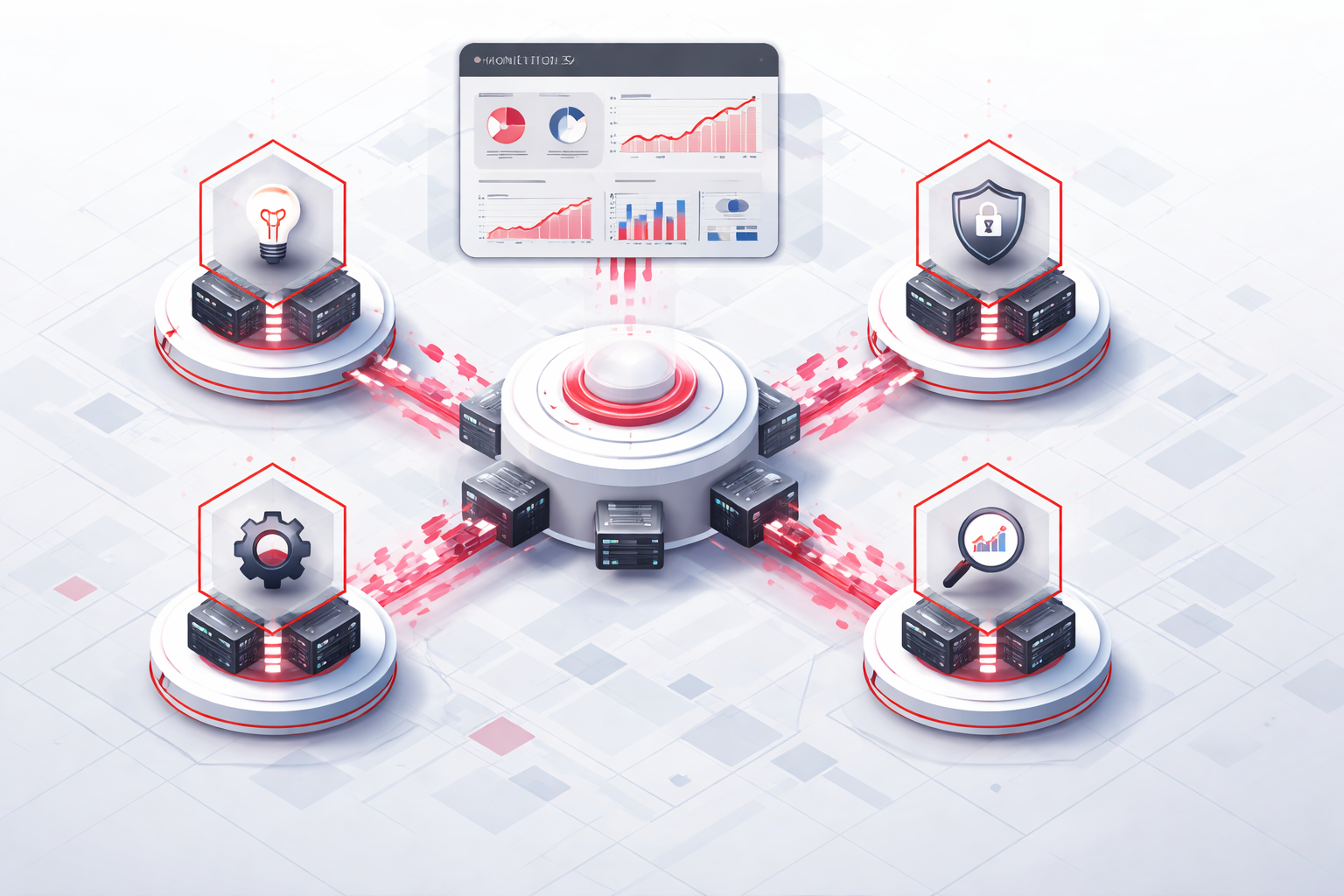
From the map, we design the agent architecture. Each complex workflow gets a set of specialized agents: one for each domain that requires different knowledge or different actions. For a venue booking workflow, that might be a contract agent, a ticketing setup agent, a promotional content agent, and a production coordination agent. Each agent handles its specific domain and passes results to the next agent in the sequence.
We define the coordination protocol: how agents pass information to each other, what constitutes a successful completion of each agent's task, and what situations trigger escalation to a human. Escalation logic is critical. We never want the system to make a decision that requires human judgment without surfacing it to the right person.
Integration with the tools Wicker Park businesses already use is a design principle. A venue already using a specific ticketing platform does not migrate to a new one. The multi-agent system connects to the existing platform and automates the tasks within it. A boutique using Shopify for e-commerce does not change platforms. The agent connects to Shopify and handles the listing workflow within it.
Industries We Serve in Wicker Park
Music venues and performance spaces near the Flat Iron Arts Building and throughout Wicker Park run complex pre-show coordination workflows that multi-agent systems handle reliably: booking confirmation, contract execution, ticketing setup, promotional asset collection, social media campaign launch, email announcement, day-of production brief, and post-show settlement. Venues that automate this workflow sequence spend booker time on curation, not operational coordination.
Vintage and boutique retail shops along Milwaukee Avenue and Damen Avenue manage inventory arrival, merchandising, online listing, and promotional launch workflows that require coordination across multiple functions. Multi-agent systems handle the sequence from receiving to sale without manual management of each handoff.
Design studios and creative agencies near Hoyne Avenue manage project workflows that involve client intake, brief development, resource assignment, milestone delivery, review cycles, and invoicing. Multi-agent systems handle the administrative coordination layer so designers focus on design.
Bars and restaurants on Division Street and North Avenue manage event planning, reservation coordination, and supply ordering workflows that involve multiple vendors and internal functions. Multi-agent systems coordinate these workflows without requiring management attention for each operational step.
Tattoo studios throughout Wicker Park manage client consultation, booking confirmation, preparation instruction, and follow-up workflows that repeat across every booking cycle. Multi-agent systems execute these workflows reliably so artists can focus on their craft.
Independent fitness and wellness businesses in Wicker Park manage membership inquiry, class scheduling, enrollment, billing, and retention communication workflows. Multi-agent systems handle the full member lifecycle coordination so studio staff focus on instruction and community.
What to Expect Working With Us
1. Workflow mapping and complexity assessment. We document your complete operational workflows and identify where coordination complexity is creating friction or risk. You receive a workflow map with specific identification of which coordination tasks are best suited for multi-agent automation. This phase takes two to three weeks.
2. Agent architecture design. We design the full multi-agent system: which agents are needed, what each agent handles, how they coordinate, and what the escalation logic looks like. You review and approve the architecture before we build anything. This phase takes one to two weeks.
3. System build and integration. We build each agent, configure their coordination protocols, and integrate the system with your existing tools. We run parallel testing where the system operates alongside your existing manual workflow so you can verify results before the cutover. This phase typically takes four to eight weeks.
4. Deployment, monitoring, and refinement. We deploy the full system and monitor performance closely for the first thirty days. We refine agent behavior based on real operational patterns and tune escalation logic based on what actually requires human attention versus what the system can handle. Most systems reach stable, reliable operation within sixty days of deployment.