How We Build HR Automation for Wicker Park
The scope of an HR automation engagement depends on where the friction is highest. For a venue on North Avenue with high part-time turnover, the priority is onboarding automation: offer letter delivery, form collection, I-9 verification workflow, payroll system access provisioning, and training material delivery, all running automatically from the moment a hire is confirmed. For a design studio near Damen Avenue with a smaller but more specialized team, the priority might be performance review cycles, contractor agreement management, and PTO tracking that does not require a spreadsheet to reconcile.
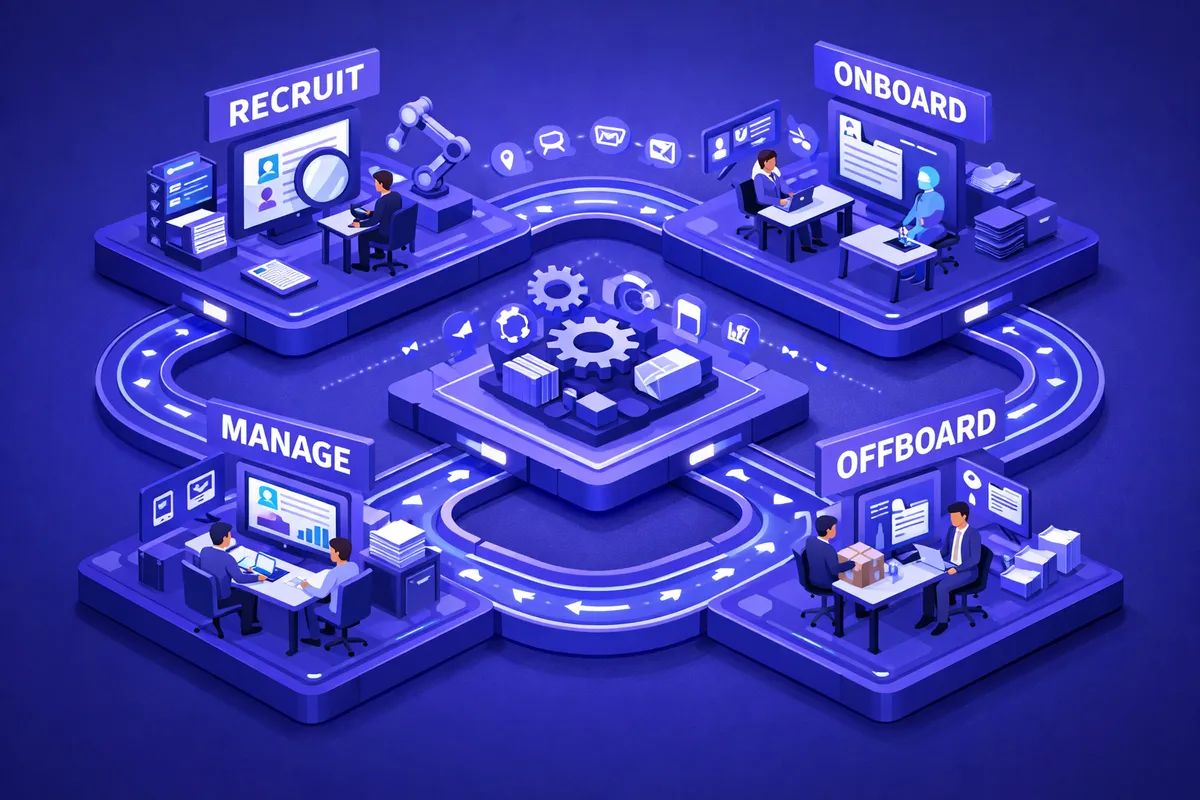
We map the entire employee lifecycle before recommending any specific automations. Hire through offboard, including the events between that most businesses handle inconsistently: probation period check-ins, annual reviews, compliance training acknowledgments, benefit enrollment windows. The goal is to find every point where an employee-related task is being completed manually on an ad hoc basis and either automate it entirely or convert it to a triggered, tracked workflow that cannot be forgotten.
Integration with your existing payroll system is standard. Most Wicker Park businesses running payroll are using Gusto, ADP, or QuickBooks Payroll. We build automations that feed into your existing system rather than requiring a platform switch. A new hire who completes their onboarding documents triggers the payroll setup automatically. A timesheet approval flows directly to payroll processing without a manual export step. The connection between HR events and their downstream effects becomes automatic rather than relying on someone to remember each handoff.
Industries We Serve in Wicker Park
Live music venues and event spaces near The Robey Hotel and along North Avenue carry a staffing complexity that most HR tools are not designed for. Front-of-house staff, sound engineers, security, bartenders, and box office personnel may all be working the same event on different schedules and different pay structures. An HR automation system that manages this mix, sends shift reminders, collects availability, and routes certifications and compliance acknowledgments appropriately reduces the event coordination burden on the venue manager significantly.
Boutique retailers on Milwaukee Avenue hire a mix of permanent staff and seasonal employees, particularly going into the holiday stretch. Automated seasonal onboarding templates that deploy at the same time each year, temporary employee document workflows that expire on the agreed end date, and re-hire logic that makes bringing back a prior seasonal employee faster than hiring new, are the kinds of features that make a small retail operator's fourth quarter noticeably less stressful.
The tattoo and personal service studios along Division Street and Hoyne Avenue often operate with a combination of employed staff and booth-renters whose administrative relationship with the shop is different from a standard employment relationship. Separate onboarding and document tracks for employees versus independent contractors, automated renewal reminders for booth agreements, and consistent communication templates for both categories are automations that reduce the principal's administrative exposure without requiring a paralegal.
Design and creative agencies near the Flat Iron Arts Building work with both employees and project-based contractors across multiple concurrent engagements. Contractor agreement generation and delivery, W-9 collection, project-based access provisioning, and offboarding when a contract engagement ends are all repeatable administrative tasks. Automating them means the agency principal can close a new project without spending a day on contract administration.
Bars and cocktail lounges on Division Street deal with a specific HR challenge: role-specific certification requirements. Employees who handle alcohol service need current BASSET certification in Illinois. An HR system that tracks certification expiration dates and triggers renewal reminders before they lapse protects the business from serving with uncertified staff, which carries real legal and licensing risk.
Fitness studios and wellness businesses operating on Hoyne Avenue and Damen Avenue manage instructor certifications, liability waivers, and client-facing staff backgrounds as ongoing compliance requirements. Automated certification tracking, expiration alerts, and renewal workflows mean the studio owner is not discovering a certification lapse on the morning of a class.
What to Expect Working With Us
1. Employee lifecycle audit. We map every HR touchpoint from the first offer letter to the exit interview. For a Milwaukee Avenue retailer, that conversation runs an hour. For a venue with complex staffing structures on North Avenue, it runs two. The output is a prioritized list of automations ordered by time savings and compliance risk reduction.
2. Payroll and HRIS integration setup. Before any automations go live, we connect the automation layer to your existing payroll and HR platforms. This is the technical foundation everything else runs on. We do not build automations that require manual data entry as a final step; the whole point is that the downstream effect happens without intervention.
3. Phased automation rollout. We launch onboarding automations first because they have the broadest impact and the most consistent trigger: every new hire. Scheduling automations follow. Compliance tracking and performance cycle automations come last. Each phase is tested on real events, not on staged scenarios, before we consider it complete.
4. Training for anyone who manages people. Any manager or owner who is part of the HR workflow goes through a training session before they use the new system. For a Wicker Park business with a working-owner model where the founder is also the hiring manager and the scheduler, this is a single session. For a venue with a general manager and a floor manager, we train both separately and make sure the handoffs between their roles in the system are clear. We account for the seasonal hiring surge before Wicker Park Fest when the system will be processing more hires per week than at any other time of year.