How We Build Customer Portals for Wicker Park
Building a client portal for a Wicker Park creative studio begins with understanding the project types the studio runs. A motion graphics shop near the Robey Hotel has different milestone structures than a brand strategy firm on Damen Avenue. A tattoo studio with a custom art commission workflow has different client communication needs than a music venue near Double Door's old corner managing event production relationships.
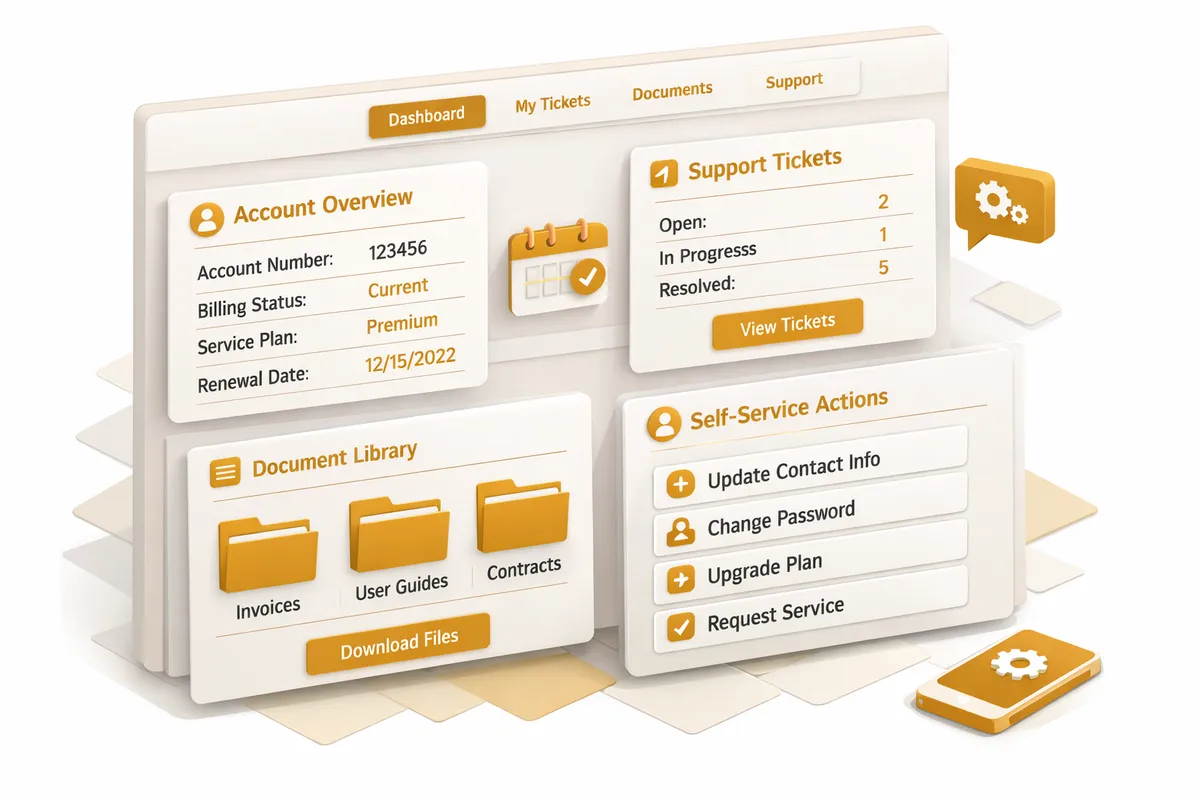
We start every engagement with a discovery session that maps the actual project lifecycle from initial brief to final delivery. From that map, we identify every moment where a client currently needs to contact the studio to get information they could access themselves: kickoff documentation, current phase status, deliverable uploads, revision round tracking, approval sign-off, invoice access, and final file delivery. Each of those moments becomes a self-service function in the portal.
For creative studios, the approval workflow is often the highest-leverage function we build. A portal that shows a client the current round of designs, allows them to leave specific comments tied to individual assets, and marks approval with a timestamped record replaces the sprawling email threads that otherwise manage creative review. The studio knows exactly which feedback applies to which version. The client knows their approval is on record. Both eliminate the ambiguity that causes revisions to spiral.
We design portal interfaces to match the visual standards of the studios that use them. A Wicker Park branding agency serving consumer brands is not well-served by a generic enterprise portal that looks like accounting software. We build interfaces that reflect the studio's design standards and strengthen rather than undermine the studio's professional identity in the client's eyes.
Integration with the tools studios already use is standard: project management platforms, cloud file storage, time tracking, and invoicing software connect to the portal so data stays current without manual updates. Client logins are secured with multi-factor authentication, and access is scoped so each client sees only their own project data.
Industries We Serve in Wicker Park
Branding and identity studios on Damen Avenue build portals that give clients access to project timelines, deliverable uploads for each phase, revision round tracking, and final asset libraries. For studios handling multiple concurrent rebrand engagements, a portal reduces the per-project administrative burden and keeps each client's approval chain documented and clean.
Motion graphics and video production houses near the Flat Iron Arts Building use portals that let clients review cuts, leave timestamped feedback on video files, approve releases, and access final deliverables without requiring a dedicated project manager call for each round. Production workflows that involve multiple review cycles benefit most from the structured feedback channels a portal provides.
Web design and development agencies along Milwaukee Avenue structure portals around development phase milestones: discovery documents, wireframes, design comps, staging site links, revision requests, and launch sign-offs. Clients with limited technical backgrounds particularly benefit from a portal that presents complex development milestones in plain language with clear action steps at each stage.
Music and entertainment production companies in the Wicker Park area serving venues and labels use portals to manage multi-party approval chains where the artist, the label, and the venue may each need to sign off at different project stages. A portal that routes approvals to the right stakeholder and tracks sign-off status replaces an unwieldy email chain with a structured workflow.
Independent creative consultants working from studios near Hoyne Avenue or North Avenue use portals to present a professional self-service experience to clients who might otherwise assume that solo practitioners operate informally. A well-built portal signals that the practitioner runs a real operation with clear processes and accountability.
Photography and commercial art studios with clients managing seasonal campaigns, product launches, or editorial calendars use portals for image delivery, usage rights documentation, and invoice access. Clients who receive seasonal deliverables across multiple projects benefit from a portal that organizes assets by campaign and date rather than delivering everything through a generic file sharing link.
What to Expect Working With Us
1. Project lifecycle mapping and portal scope design. We document every client-facing touchpoint in your typical engagement, from initial brief to final delivery, and define which of those touchpoints become self-service portal functions. The goal is to cover the full client journey so there is no category of routine request that still requires a direct contact.
2. Interface design matched to your studio's standards. For creative businesses in Wicker Park, the portal's visual quality matters. We design the client-facing interface to your brand standards and present it to a pilot client before full launch to confirm it represents your practice the way you want to be represented.
3. Approval workflow and file delivery configuration. We build the specific approval rounds your project types require, configure file delivery with access controls, and connect the portal to the file storage and project management tools you already use so data flows automatically.
4. Phased launch with client onboarding support. We launch with one or two current clients first, gather feedback on what works and what needs adjustment, then roll out to your full client base. We provide a short onboarding guide formatted to match your brand that explains the portal to new clients without making it feel like a burden.