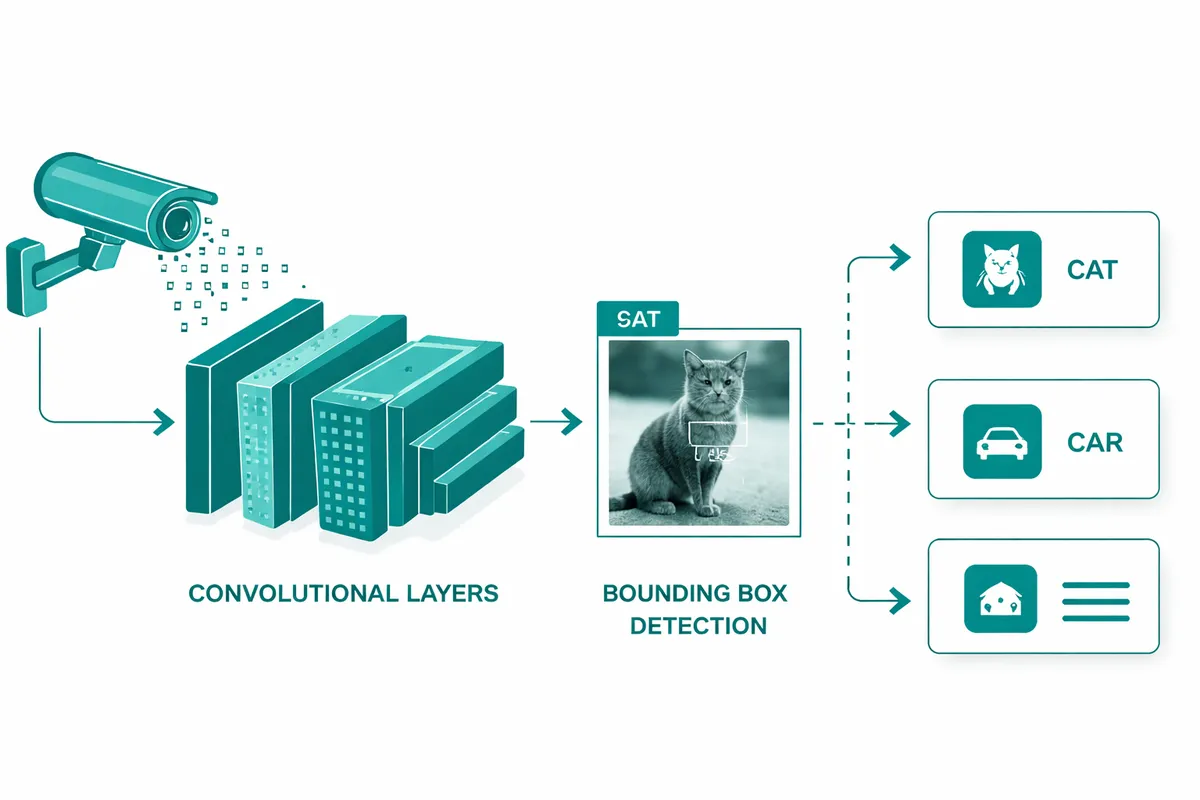
How We Build Computer Vision in Wicker Park
We work with existing security cameras wherever possible, adding AI processing layers rather than new hardware. For Wicker Park retailers along Milwaukee and Damen, we build walk-by-to-walk-in conversion tracking, window display effectiveness scoring, in-store heat maps showing customer movement patterns, and dwell time analytics for specific product sections. For music venues and event spaces near Division, we monitor crowd density in real time, track entrance flow rates, identify bottlenecks, and optimize area utilization for different event configurations. For restaurants and bars near the six corners, we track table turnover by section, monitor waiting area congestion, and analyze patio utilization patterns across different days, times, and weather conditions.
Industries We Serve in Wicker Park
Independent retail along Milwaukee and Damen uses computer vision to answer the questions that sales data alone cannot. Which window display generates the most walk-ins? Do customers turn left or right when they enter? Which product section gets browsed the longest but purchased from the least? These behavioral insights complement POS data with physical context that reveals why sales happen, not just that they happened. Retailers using in-store computer vision typically see 10 to 20 percent improvements in display-to-entry conversion because layout and merchandising changes are based on observed customer behavior rather than intuition.
Music venues and event spaces in Wicker Park use computer vision to manage crowds safely and optimize the experience. Real-time density monitoring identifies when a room approaches capacity before it becomes uncomfortable or unsafe. Entrance flow tracking reveals when the line builds fastest, informing door staff scheduling and the timing of venue opens. Different event types need different configurations, and computer vision data shows which spatial arrangements work best for standing shows versus seated performances versus gallery openings where visitor flow matters for both safety and experience.
Restaurants and bars near Division Street and the six corners use computer vision to optimize the physical flow that determines profitability. Table turnover tracking by section reveals which servers or seating configurations move fastest and why. Patio monitoring shows utilization by time of day and weather condition, helping managers decide when to staff the patio and how to merchandise it for different situations. Wait area congestion data helps hosts manage expectations and reduce walk-aways during the Friday night rush along Milwaukee Avenue.
What to Expect Working With Us
1. Camera and site assessment. We evaluate your existing camera coverage, identify gaps, and determine what analytics are achievable without new hardware. In most Wicker Park commercial spaces, existing security cameras provide enough coverage for meaningful analytics.
2. AI configuration and dashboard setup. We configure the computer vision processing layer for your specific use case, whether that is pedestrian traffic counting, in-store movement mapping, crowd density monitoring, or table utilization tracking. You get a clean dashboard accessible from any device.
3. Baseline data collection and calibration. During the first two to three weeks, we collect baseline data, calibrate the system for your specific space and traffic patterns, and establish the benchmarks against which improvements will be measured.
4. Insight delivery and action planning. We translate raw visual data into actionable recommendations. When the data shows that customers consistently avoid a particular corner of your store, we help you interpret why and test changes. When it shows your patio underperforms on weekend evenings, we look at what environmental factors correlate with that pattern.