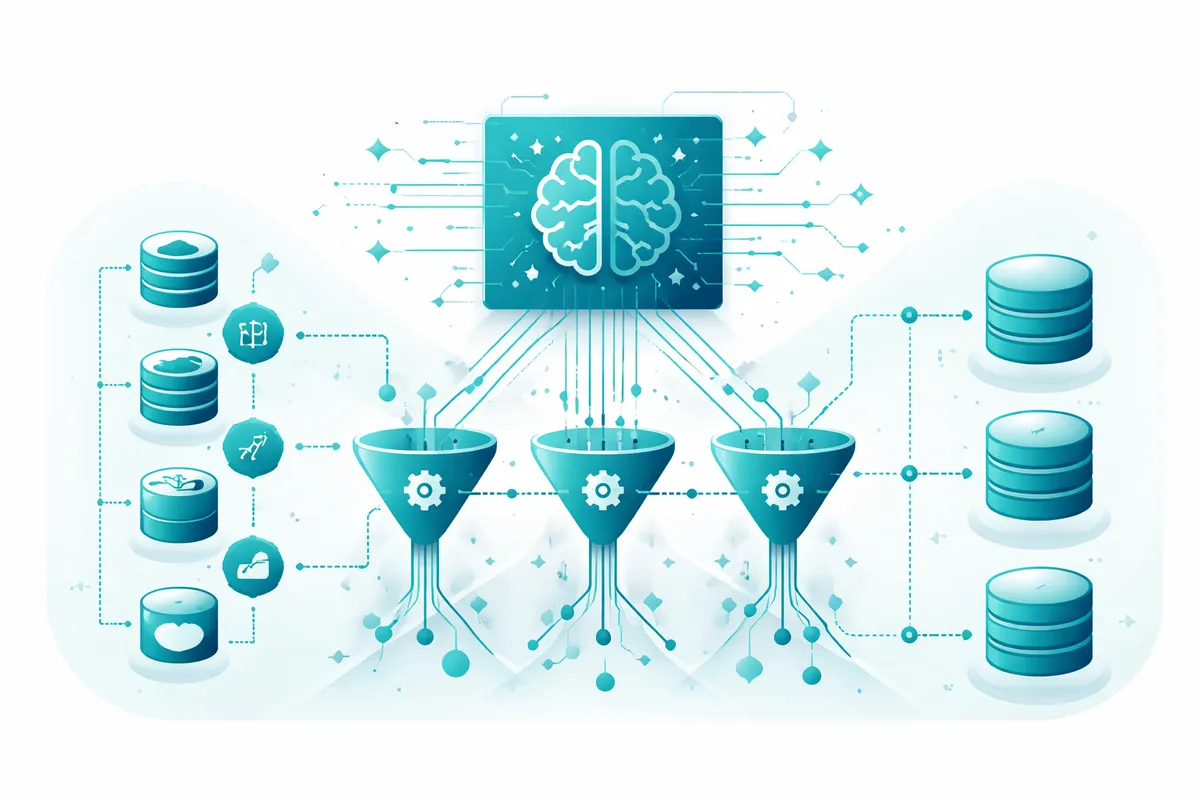
How We Build AI Data Pipelines in Wicker Park
We audit your current tool stack, map where data lives across every platform, and build automated pipelines that sync continuously without manual intervention. For Wicker Park retailers along Milwaukee and Damen, we link Square or Shopify POS data to Instagram analytics to email engagement metrics, so you can trace which marketing effort actually drove which sales rather than guessing. For music venues near Division Street and the six corners, we connect Eventbrite ticket data to bar POS revenue to marketing spend, revealing true per-event profitability instead of approximations that overlook half the cost picture. For restaurants and bars, we merge delivery platform data from DoorDash, Grubhub, and Uber Eats with in-house POS and reservation systems for a complete revenue picture across every channel simultaneously.
What to Expect Working With Us
1. Indie tool stack audit. We document every platform your Wicker Park business uses, including the niche and independent tools that enterprise integration platforms often cannot handle. Square, Big Cartel, Squarespace, Eventbrite, Tock, and similar indie-ecosystem platforms are standard in our pipeline builds. We start with an honest map of where your data actually lives before building a single connection.
2. Marketing attribution pipeline. For Wicker Park retailers, connecting Instagram analytics to Square or Shopify sales data is almost always the highest-value first connection. We build this marketing attribution layer before expanding to inventory and financial reporting, so you start seeing which content actually drives revenue within the first two weeks.
3. Event and venue profitability reporting. For music venues and event spaces, we build per-event profitability dashboards that combine ticket revenue, bar sales, marketing spend, and artist fees into true margin calculations. This reporting changes booking and marketing strategy quickly because it shows results that gut feel never captures accurately on its own.
4. Ongoing monitoring and expansion. Every pipeline includes error alerts that flag data sync failures before they compound into reporting gaps. We add new data sources as your tool stack evolves and expand reporting as you add channels, locations, or new revenue streams to the business.
Industries We Serve in Wicker Park
Independent retail along Milwaukee and Damen uses data pipelines to answer the fundamental question that haunts every small retailer: what is actually working? When you connect in-store sales data to social media engagement to email campaign performance, you stop guessing which marketing efforts drive revenue and start seeing the evidence. A boutique discovers that Instagram Reels drive three times more foot traffic than Stories for the same amount of production effort. A vintage shop learns that the Thursday newsletter correlates reliably with Friday afternoon purchases, changing when and how they write their weekly email. These insights exist in the data already. AI pipelines make them visible rather than buried in four separate platform dashboards that never talk to each other.
Music venues and event spaces in Wicker Park generate data across ticketing platforms, bar POS systems, social channels, and artist booking records. Pipelines merge all of it into per-event profitability calculations that reflect reality rather than optimistic approximations: ticket revenue plus bar take, minus marketing spend, artist fees, and staffing costs. Venues using unified data pipelines eliminate the three to five hours of weekly spreadsheet reconciliation that operations managers dread and replace that time with an always-current dashboard. Booking decisions that used to rely on memory and rough estimates start relying on margin data that compares actual show profitability across genres, nights, and promotional approaches.
Restaurants and bars near the six corners and along Division Street operate across in-house dining, delivery platforms, catering inquiries, and private events. Each revenue channel has its own reporting system that does not share data with the others. Pipelines unify all of it into complete revenue and margin views so owners see total performance across every channel, true margins by channel after platform fees and packaging costs, and which revenue lines are growing versus declining. A restaurant that discovers DoorDash orders look profitable in the platform dashboard but lose money after commissions, while catering inquiries that rarely get prompt follow-up are actually the highest-margin channel in the operation, makes very different decisions with that information than without it.