How We Build Multi-Agent Systems for West Town
The design phase is the most important. Before writing any code, we map the full workflow in detail. We interview your team about how work actually moves through your organization, not how it is supposed to move but how it actually does. We identify the decision points: what conditions determine which path a workflow takes. We identify the coordination handoffs: when agent A completes its task, what does agent B need to know, and what should it do with that information. We identify the exceptions: what conditions should escalate to a human rather than proceed automatically.
We then design the agent architecture. How many agents does this workflow require? What is each agent responsible for? How do they communicate? What is the orchestration logic that coordinates their actions? We present this design to your team for review before building. The design review catches misunderstandings early, when changing direction is inexpensive rather than after code has been written.
We build each agent incrementally and test them in isolation before connecting them. We use your existing tools where possible. Most West Town businesses have project management platforms, CRM tools, scheduling systems, and billing software already. We build agents that operate within those systems rather than replacing them. The orchestration layer coordinates agent communication and manages the overall workflow state.
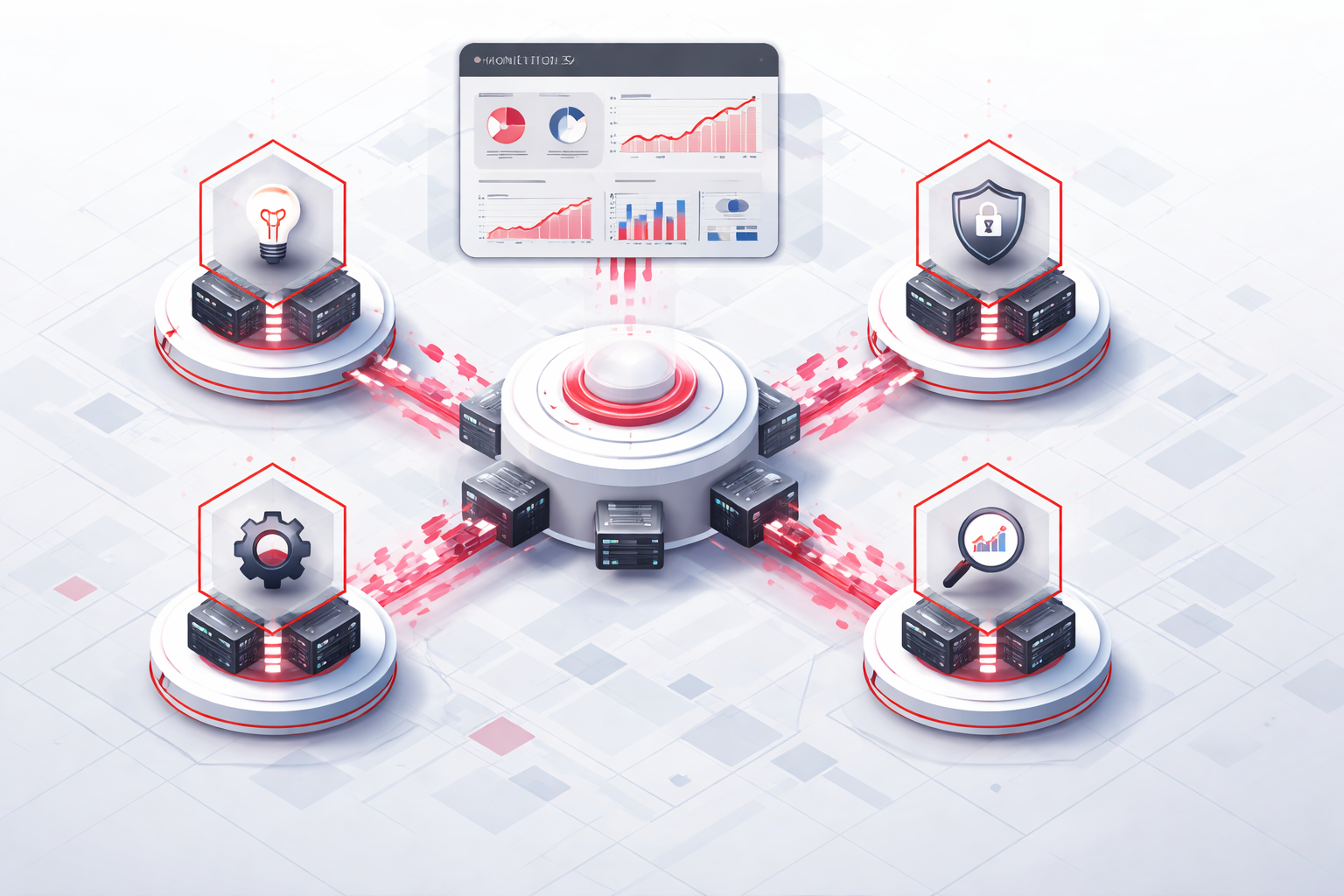
We deploy the system with monitoring in place. We track what each agent does, flag errors, and build dashboards showing workflow status across the organization. Exceptions escalate to the right human with full context. Your team monitors the system and handles edge cases while routine execution runs automatically.
Industries We Serve in West Town
Design and creative agencies along Chicago Avenue and Damen Avenue use multi-agent systems to coordinate client projects from intake through delivery and billing. Project agents, design coordination agents, client communication agents, and billing agents work in sequence, eliminating the coordination overhead that consumes project managers on complex multi-deliverable engagements.
Small manufacturers and production businesses near Pulaski Park use multi-agent systems to coordinate production runs from order intake through materials procurement, scheduling, quality inspection, and shipping. Agents connect the front-office order system with the production floor operations, reducing the manual coordination that delays production starts.
Professional service firms on Division Street including consultants, accountants, and specialized service providers use multi-agent systems to manage client engagements across intake, delivery, review, and billing cycles. Firms maintain consistent client communication and billing discipline even as engagement volume grows.
Real estate and property development businesses use multi-agent systems to coordinate property marketing, showing scheduling, offer processing, and transaction management across multiple listings simultaneously. Coordination that previously required a transaction coordinator per listing runs automatically across the portfolio.
Hospitality and event businesses in West Town use multi-agent systems to coordinate bookings, vendor coordination, staffing, and client communication across simultaneous events. Multi-agent coordination prevents the scheduling conflicts and communication gaps that damage event businesses.
Health and wellness practices near Commercial Park use multi-agent systems to coordinate patient scheduling, insurance verification, follow-up communication, billing, and referral management. Practices reduce administrative staff overhead while improving consistency in patient communication.
What to Expect Working With Us
1. Workflow discovery and documentation. We map how your complex workflows actually operate, identify the decision points and coordination handoffs, and document the logic that experienced team members carry in their heads. This phase surfaces the implicit knowledge that has to be explicit for automation to work. Discovery takes two to three weeks.
2. Multi-agent system design. We design the agent architecture: which agents, what each owns, how they communicate, how the orchestration layer coordinates them. We define exception handling and escalation logic. We present the design for your review and approval before any development begins. Design takes one to two weeks.
3. Development and integration. We build agents incrementally and connect them to your existing tools. We test each agent in isolation and then test the full coordination sequence. We start with the core workflow before adding edge cases and variations. Development takes four to eight weeks depending on workflow complexity and the number of system integrations required.
4. Deployment, monitoring, and refinement. We deploy the system with monitoring and run it in parallel with your manual process briefly to validate accuracy. We transition to automated operation and monitor the first 60 days closely, refining logic based on real-world conditions. We document the system so your team understands how to manage it ongoing.