Your Cart (0)

Your cart is empty

West Town, Chicago

Email Marketing in West Town

Email Marketing for businesses in West Town, Chicago. We know the neighborhood, the customers, and what it takes to compete locally.

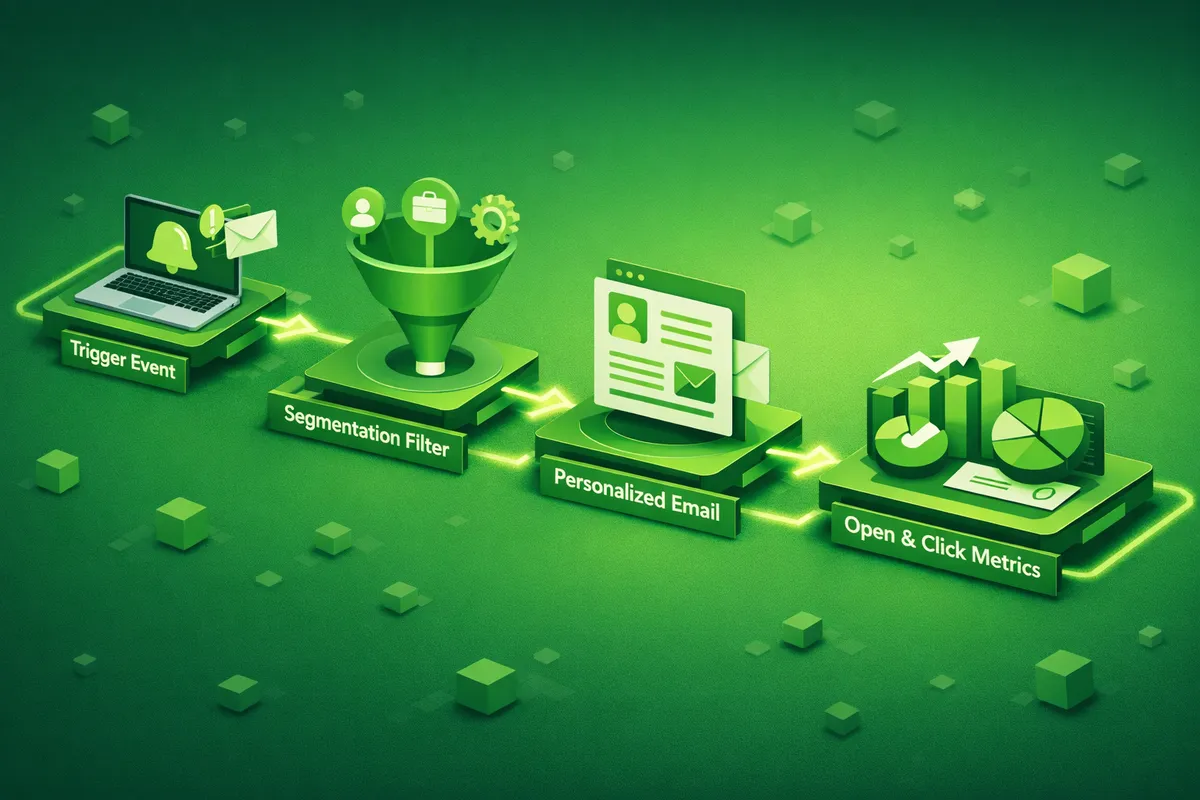
Email Marketing in West Town service illustration

Segmentation for West Town's Diverse Population

The long-term Latino community in West Town and the newer professional resident population have different email engagement patterns that are worth separating from the start. Long-term residents respond to community continuity content: neighborhood events, local institution news, and the businesses they have trusted for years. Newer professional residents respond to discovery content: what they have not tried yet, what is coming, what is worth the walk from their apartment.

For the Latino community segment in West Town, Spanish-English bilingual email is appropriate for businesses with significant Spanish-speaking customer bases in the neighborhood. Grand Avenue and the area around Humboldt Park's eastern edge have significant bilingual commercial activity. A business that serves this community and sends English-only email is communicating with only part of its audience.

Behavioral segmentation by visit frequency produces the most actionable targeting for West Town's restaurant and bar businesses. A subscriber who has made three reservations through email links in the last six months is a different segment from a subscriber who opened the welcome email and has not clicked since. The high-frequency subscriber responds to VIP content: early reservation windows, exclusive events, and the implicit recognition of their loyalty. The low-engagement subscriber needs a re-engagement campaign that gives them a specific, compelling reason to come back.

Automation Flows for West Town's Active Social Scene

West Town's social energy is concentrated in the Thursday-through-Sunday window that Chicago's young professional bar and restaurant scene runs on. Email campaigns that arrive on Wednesday evening, when subscribers are making weekend plans, will consistently outperform Tuesday or Saturday morning sends for this neighborhood's entertainment-focused businesses. This is not a universal rule for all West Town businesses, but for bars, restaurants, and event venues, the Wednesday pre-weekend timing is worth testing as a primary cadence.

Automated event promotion sequences for West Town venues should build over the week of an event rather than arriving as a single announcement. A West Town bar hosting a Saturday night event should send: a Monday announcement with event details, a Wednesday reminder with lineup specifics and any pre-sale ticket information, and a Friday-morning final reminder with "tonight is the night" energy and a reservation or ticket link. This three-email arc drives 40 to 60 percent higher event attendance from the email list than a single announcement, based on consistent patterns across neighborhood entertainment venues in comparable markets.

Frequently Asked Questions

Maintain separate content tracks for each segment rather than trying to find content that works for both simultaneously. A restaurant that serves both communities can run a Spanish-language newsletter for the long-term resident segment and an English-language newsletter for the newer professional segment, sharing information about the same restaurant but framing it differently. The long-term resident email emphasizes continuity and community. The professional email emphasizes discovery and quality. Both are true. Neither serves the other's audience as well as the targeted version does.

Wednesday and Thursday evening sends between 5:00 and 7:00 PM capture the weekend planning window. Saturday late morning, 10:00 to 11:30 AM, captures the brunch-planning window. Avoid Tuesday morning sends for entertainment-focused content; the subscriber is not in weekend-plan mode on Tuesday. For service businesses serving the professional community, Tuesday and Wednesday mid-morning follows the standard B2C professional timing pattern.

Both. Welcome automation and re-engagement automation are worth setting up once and running continuously. New arrival announcements and event promotions benefit from manual sends that reflect the actual current moment in the shop rather than a pre-scheduled campaign. A boutique on Milwaukee Avenue that sends a manual email when something genuinely interesting arrives will maintain the freshness of voice that automated email programs can lose over time.

Let the neighborhood's diversity be the content, not a problem to be solved. A restaurant that sends a "what's happening on our block this week" email that includes a mention of a neighboring business's event, a note about the mural that just went up around the corner, and a reference to the community garden that is starting to produce, is writing about West Town in a way that builds neighborhood identity attachment. Subscribers who feel like their email program is genuinely from the neighborhood, not just in the neighborhood, will be more engaged and more loyal.

A realistic first-year target for a new West Town restaurant or boutique, assuming consistent weekly send cadence and active list building at events and point of sale, is 500 to 1,500 subscribers. This range represents the scale at which email starts producing consistent, attributable revenue from every send. Below 300 subscribers, the absolute revenue numbers are small even with high engagement rates. Above 1,500, the focus shifts from list growth to segmentation and content quality. The first year is primarily about building the list to a size where the program pays for itself.

Ready to get started in West Town?

Let's talk about email marketing for your West Town business.