How We Build Data Analytics for West Town
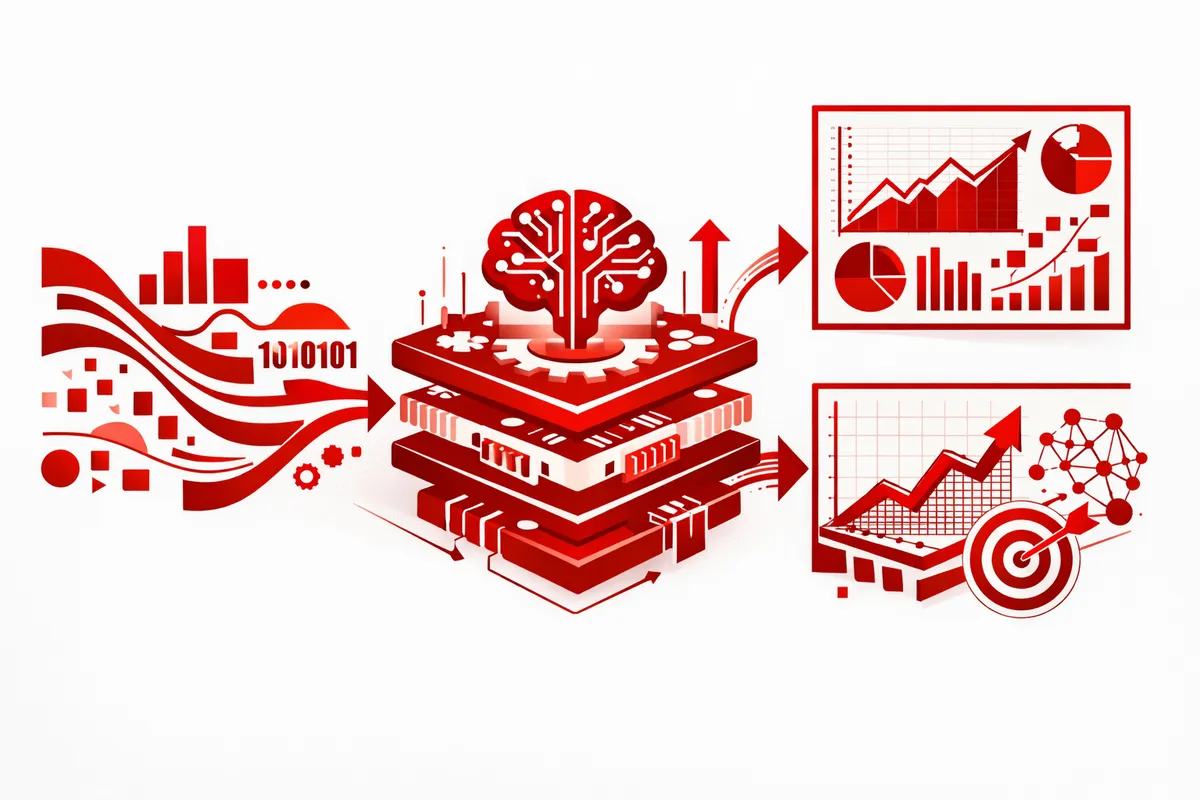
We begin with a data audit. Every West Town business has data scattered across multiple systems: a point-of-sale system, a CRM, a project management tool, a scheduling platform, an accounting system. We catalog what data exists, what quality it is in, how long you have been collecting it, and what decisions you actually need to make. The last question is the most important. Analytics built backward from decisions are useful. Analytics built forward from available data often produce dashboards no one looks at.
We then design the data model. For a West Town service business, that might mean connecting job management data, parts cost data, labor cost data, and invoicing data to calculate true job profitability by type, technician, and season. For a design studio, it might mean connecting time tracking, project management, and invoicing to understand realization rates and project type profitability. We model the metrics that matter for your specific business decisions.
We build the data pipeline, connecting your source systems, transforming the data into the model we designed, and loading it into an analytics layer. We build the dashboards: clear, specific views showing the metrics your team actually monitors. We train your team on how to read the dashboards and how to ask follow-up questions when something looks unexpected.
Ongoing, we monitor data quality, update the model as your business changes, and flag anomalies that warrant attention.
Industries We Serve in West Town
Repair shops and specialty service businesses along the Grand Avenue corridor use analytics to understand job profitability by type, track technician efficiency, monitor parts cost trends, and identify which service categories drive the strongest margins. Data analytics turns operational records into pricing and scheduling decisions.
Design and creative studios on Chicago Avenue and Damen Avenue use analytics to track realization rates, project profitability by type and client, time allocation across billable and non-billable work, and capacity utilization. Studios learn which work to pursue and which to reprice or decline.
Independent retailers on Division Street use analytics to understand product category margins, customer purchase patterns, inventory velocity, and seasonal demand. Data analytics helps retailers make buying decisions based on actual performance rather than vendor relationships and gut feeling.
Restaurants and food businesses near Eckhart Park and on Grand Avenue use analytics to track menu item profitability, table turn efficiency, labor cost by shift and station, and reservation pattern trends. Analytics translate into menu engineering and staffing decisions.
Small manufacturers and workshop businesses near Pulaski Park use analytics to understand production cost by run length, capacity utilization by machine and process, waste rates, and pricing adequacy. Manufacturers learn where they are leaving margin and where they are undercharging.
Real estate and property management businesses use analytics to track occupancy trends, maintenance cost patterns by unit type, tenant retention by lease structure, and market rent comparison. Data analytics informs acquisition, pricing, and retention strategy.
What to Expect Working With Us
1. Data audit and analytics planning. We audit your existing data sources, assess quality and history, and identify the three to five decisions your business would make better with clear analytics. We produce a scope document defining what we will build and what decisions it will support. This phase takes one to two weeks.
2. Data pipeline development. We build connections from your source systems to the analytics infrastructure, transform data into the model we designed, and validate that data is flowing correctly. We address data quality issues as we find them. Pipeline development typically takes two to four weeks.
3. Analytics model and dashboard development. We build the metrics model and the dashboards your team will use. We deliver a first version for your review, iterate based on feedback, and ensure the dashboards answer the questions they were designed to answer. Model development takes three to five weeks.
4. Training and ongoing support. We train your team on using the dashboards, interpreting the data, and investigating anomalies. We provide ongoing support for the first 60 days after launch, monitoring data quality and refining the model based on how your team actually uses it.