Your Cart (0)

Your cart is empty

West Town, Chicago

Content Marketing in West Town

Content Marketing for businesses in West Town, Chicago. We know the neighborhood, the customers, and what it takes to compete locally.

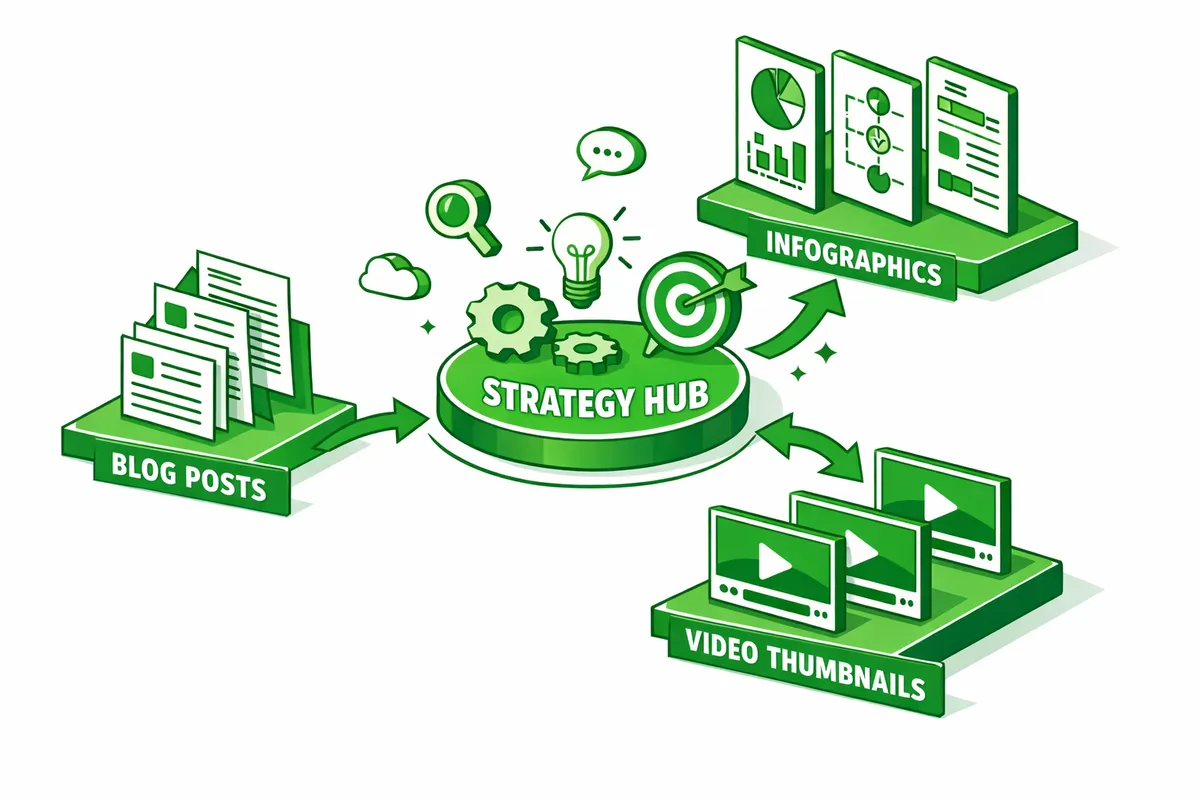
Content Marketing in West Town service illustration

Noble Square's Cultural Layering

Noble Square, the historically Polish section of West Town centered on Chicago Avenue between Ashland and Damen, carries layers of cultural history that content can engage with in ways that pure commercial content cannot. The Polish businesses that remain in Noble Square, the Catholic parishes that have served the community for generations, and the newer businesses that have arrived alongside the neighborhood's demographic evolution, all represent components of a neighborhood story that is worth telling.

Content that acknowledges the neighborhood's Polish heritage while also covering the new creative and culinary businesses that have made West Town a destination creates a complete neighborhood picture that neither purely nostalgic nor purely trend-forward content can achieve alone. A restaurant that publishes content about the Polish bakeries and specialty food businesses that have operated in Noble Square for decades, treating these institutions as worthy of documentation rather than as vestiges to be replaced, builds community relationships that pay back in local loyalty and in shared networks with the institutions it has recognized.

The Blue Line Corridor and Transit-Accessible Content

West Town's Blue Line access is a significant content asset for businesses whose target customers commute through the neighborhood. The Chicago and Damen stations connect West Town to downtown Chicago and to O'Hare in both directions, making the neighborhood accessible to customers from across the North Side and Northwest Side transit grid. Content that explicitly references this transit access, that positions West Town businesses as a natural stop on the Blue Line rather than a destination requiring deliberate travel, captures the transit-aware urban consumer who plans their movements around transit convenience.

Neighborhood guides targeting Blue Line riders searching for activities and dining along the Chicago and Damen corridor reach an audience that already uses transit and is receptive to discovering businesses accessible on their existing route. Content framing West Town as an easy Blue Line detour from downtown, rather than a drive to a parking-challenged neighborhood, converts transit-aware search behavior into foot traffic.

Frequently Asked Questions

West Town occupies a geographic center between two better-known neighborhoods, which creates both a challenge and an opportunity. The challenge is that searches for "Wicker Park" and "Ukrainian Village" often pull in results from businesses that are technically in West Town but use neighboring neighborhood names in their content. The opportunity is that West Town businesses can capture traffic from people expanding their search from those anchoring neighborhoods. Content that references all three neighborhood names in natural, accurate geographic context captures more total search surface area than content claiming only one identity.

Dining-specific local queries, "restaurants West Town Chicago," "cocktail bars Noble Square," "Blue Line food stop Chicago," drive consistent traffic. Chef and bartender profiles generate media link interest when the professionals covered have reputations that extend beyond the neighborhood. Ingredient-focused content, craft spirits, seasonal produce, and artisan food sourcing, attracts the food and beverage enthusiast audience. Content about specific menu items and their development is highly engaging for the foodie audience that follows the craft beverage and restaurant scene.

By demonstrating thinking rather than just showing work. Portfolio-only websites tell prospects what a creative business has done. Thought leadership content tells them how the business thinks. A design studio that publishes analysis of how Chicago's neighborhood identities influence commercial design briefs, or a content agency that publishes a framework for evaluating content effectiveness for small businesses, demonstrates the intellectual capacity that sophisticated clients are evaluating when choosing a creative partner. The content is the pitch.

Milwaukee Avenue street festivals and the neighborhood's participation in Chicago's broader summer festival circuit create reliable content timing anchors. Pre-festival content builds anticipation and captures planning-intent search traffic. Post-festival content captures the social media follow-up that search engines use to assess content relevance. Year-round, event coverage content builds the archival record of the neighborhood's cultural life that new residents and prospective visitors search for when evaluating the neighborhood.

Collaboration creates more total value than competition. West Town's commercial identity is stronger with more published, quality content about it from multiple businesses, and collaborative neighborhood guides, shared sponsorship of quality journalism, and cross-linking between businesses that publish genuinely useful content all contribute to the search authority that benefits every business in the neighborhood's ecosystem. The businesses that collaborate on content find that the total visibility gains exceed what any individual content program achieves independently. West Town's eclectic energy is its defining content advantage. Businesses that tell the neighborhood's full, complex, layered story build content authority that neither nostalgic heritage content nor trend-chasing newcomer content can match on its own. [Contact Running Start Digital](/contact) to develop a content strategy for your West Town business. Learn more about our [Chicago content marketing services](/chicago/content-marketing).

Ready to get started in West Town?

Let's talk about content marketing for your West Town business.