How We Build Computer Vision in West Town
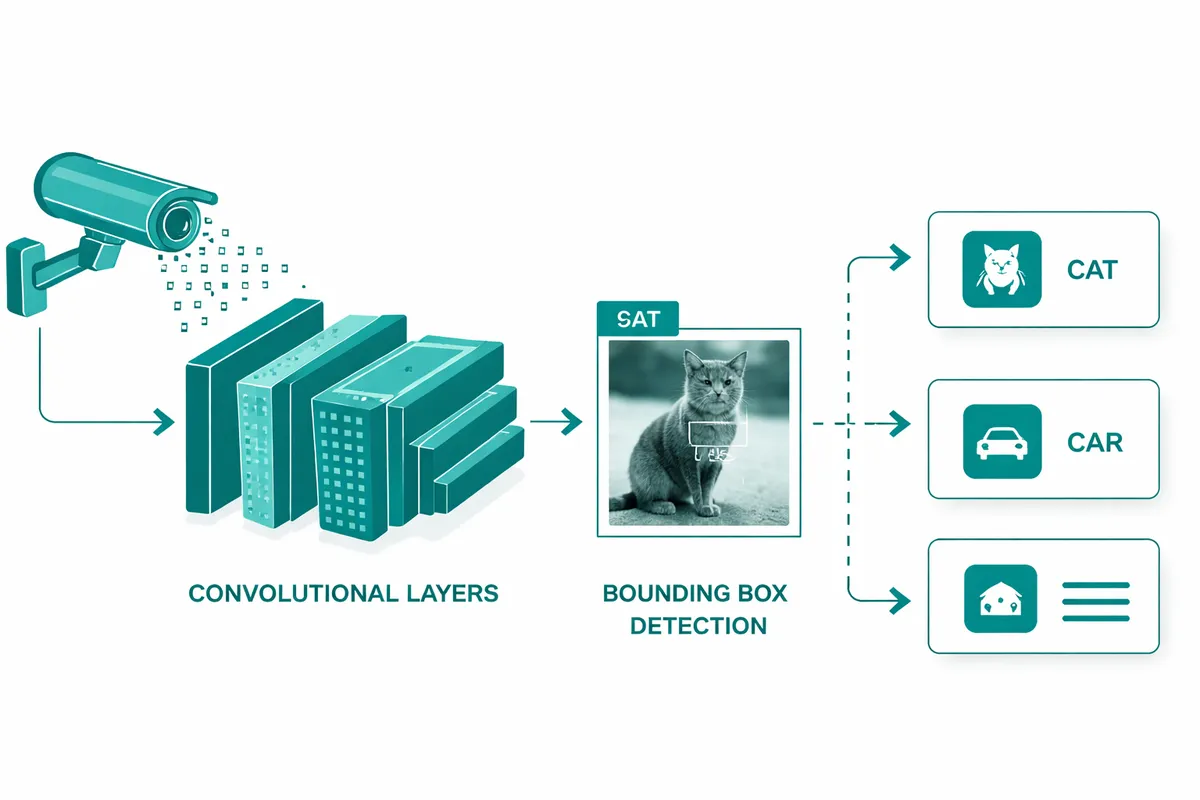
We assess your visual data needs and either install camera systems or integrate with existing image sources such as your product photography catalog, social media feeds, or security cameras already on the premises. Then we train AI models on your specific use case: product recognition and visual search for retail, traffic pattern analysis for hospitality, plate presentation consistency for restaurants, or asset classification and quality control for creative workflows. Every deployment starts with real data from your specific environment to ensure accuracy in your lighting conditions, product types, and spatial layout. We do not apply generic retail or hospitality templates to businesses that operate with genuine individuality.
Industries We Serve in West Town
Retail boutiques along Division Street and Milwaukee Avenue use computer vision for visual product search that lets customers find items by uploading a photo from anywhere they encountered the inspiration. A shopper who sees a bag on Pinterest, a jacket in a street photo, or a lamp in a design magazine can upload the image and find the closest match in your current inventory. Beyond search, computer vision automates inventory counting through shelf cameras, reducing the hours spent on manual counts without requiring staff to close the store or work through the night. Customer traffic analysis shows exactly how people move through the store, which displays draw sustained attention, and which areas get browsed without converting. One West Town boutique redesigned their floor layout based on traffic heatmaps and saw a 12 percent increase in average time spent in-store alongside a measurable conversion improvement.
Restaurants and hospitality businesses in Noble Square deploy computer vision for front-of-house and kitchen applications that manual observation cannot sustain through a full service. Overhead cameras track table turnover rates and identify bottlenecks in seating flow across different sections of the dining room. Kitchen cameras verify plate presentation against your standards before dishes leave the pass, flagging deviations in real time rather than surfacing them in a post-service review. One Noble Square restaurant used computer vision to discover that their average table turn during Saturday dinner service was 15 minutes longer than their reservation system assumed, which explained the chronic waitlist backups that frustrated guests waiting at the bar. They adjusted pacing protocols and eliminated the problem within two weeks of acting on the data.
Creative agencies and studios on Chicago Avenue use computer vision for automated image tagging, visual asset organization, and quality control across large content libraries that grow faster than any team can manually catalog. An agency managing thousands of photos and graphics across multiple client accounts can automatically tag images by subject, color palette, mood, composition style, and usage rights. Quality checks flag images that are low resolution, improperly cropped, or missing required metadata before they enter an active campaign. The time savings are significant, but the error reduction is often more valuable because catching a low-resolution image before it goes to a client is worth far more than the hours spent correcting the mistake after delivery.
What to Expect Working With Us
1. Visual use case discovery: We begin by reviewing how your business currently handles visual data and where the gaps are costing you time or revenue. For a Division Street boutique, that is usually inventory search and traffic analytics. For a Noble Square restaurant, it is table flow and kitchen consistency. For a Chicago Avenue agency, it is asset management and quality control. We identify the one or two applications that will deliver the clearest return before recommending any hardware or software.
2. Environment and image source assessment: We audit your existing cameras, product photography, and any other image sources in your operation. Most West Town businesses have more usable visual infrastructure than they realize. We design deployments around what exists and add hardware only where genuine coverage gaps require it for the specific monitoring goals you are trying to achieve.
3. Model training on your specific products and standards: We train AI models on your actual inventory, your plating standards, or your asset library structure, not on generic training data that approximates your context. A visual search model trained on your specific product categories will surface more accurate matches than a generic fashion or retail model. The investment in environment-specific training pays off in accuracy from the first week of live operation.
4. Integration and monthly performance review: We connect computer vision outputs to your existing operational tools where applicable, whether that is your inventory management platform, your reservation system, or your digital asset management software. We review performance data monthly and identify patterns that inform concrete decisions: which product categories benefit most from visual search, which table sections need pacing adjustments, which image quality issues appear most frequently in agency submissions.