How We Build AI Sales Intelligence in West Town
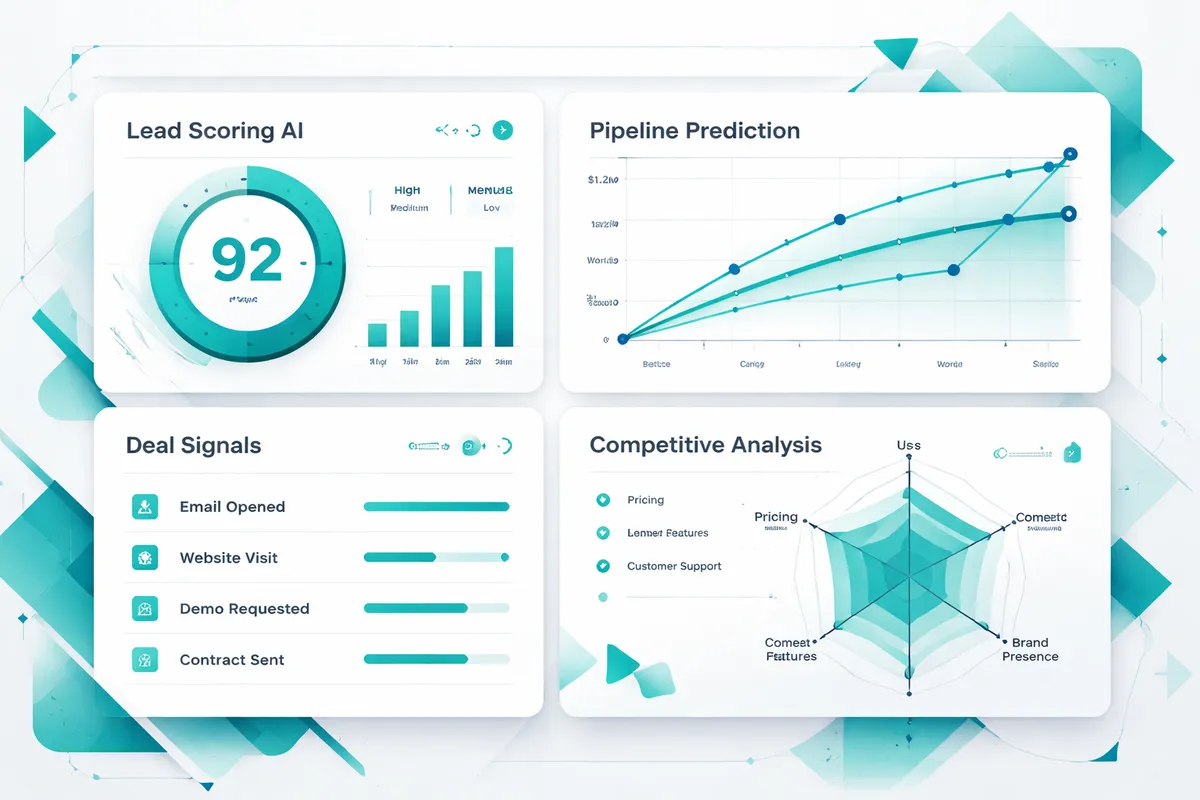
We connect your CRM, email, website analytics, social media, and POS data into a unified intelligence platform. If you are not using a CRM, we set one up as part of the deployment. AI analyzes patterns across all of these sources to score every lead by likelihood to convert, flag at-risk customers, and recommend the next best action. For B2C retailers, we track engagement signals like repeat site visits, email opens, and wishlist activity. For B2B agencies and studios, we monitor company signals like website behavior, hiring announcements, and content engagement. The system learns what a "ready to buy" signal looks like for your specific business and gets more accurate over time as it accumulates more conversion data.
Configuration for West Town takes into account the specific buying patterns of the neighborhood's customer base. The creatives and professionals who live and work near Noble Square research their purchases thoroughly. They read reviews, compare options, and often take several weeks from first discovery to first transaction. The scoring model accounts for this extended consideration window and distinguishes between a prospect who is three days away from buying and one who is three months away. Both matter, but they require completely different outreach strategies. We build those distinctions into the model from the start and refine them based on your actual conversion data.
Industries We Serve in West Town
Retail boutiques along Division Street and Milwaukee Avenue use AI sales intelligence to identify their highest-value customers and prevent churn before it happens. The system flags customers whose purchase frequency is declining and triggers re-engagement outreach at the right moment. It also identifies which marketing channels drive customers with the highest lifetime value, so you invest more in what works and cut what does not. One West Town boutique discovered that their Instagram-acquired customers had 2.3x higher lifetime value than Google ad customers, which completely changed their marketing budget allocation and freed up thousands of dollars annually that had been going to the wrong channel.
Creative and marketing agencies on Chicago Avenue deploy lead scoring that ranks prospects by fit and buying intent. A prospect who visited three case study pages and downloaded a pricing PDF scores higher than someone who filled out a generic contact form. Sales conversations start with context instead of discovery questions. One agency shortened their average sales cycle from 6 weeks to 3.5 weeks after deploying lead scoring, because reps spent their time on prospects who were already 80% of the way to a decision. The galleries and creative studios along the Milwaukee Avenue corridor use similar scoring to identify which inquiry emails represent serious buyers versus those that are unlikely to commit.
Fitness and wellness studios near Smith Park use AI to identify members at risk of cancellation based on visit frequency, class booking patterns, and engagement with studio communications. The system triggers retention offers before the member decides to leave, not after. Prospect scoring helps convert trial visitors into long-term members by prioritizing follow-up with those who showed the strongest engagement during their trial experience. For West Town's competitive wellness market, where multiple studios offer comparable programming along overlapping corridors, retention is often more valuable than acquisition, and the studios that track it systematically have a clear advantage.
What to Expect Working With Us
1. Business model review and data inventory. We start by understanding your sales process, your customer lifecycle, and every data source you currently generate. For West Town's mix of retail, service, and creative businesses, this step often surfaces data that is being collected but never analyzed. Existing POS history, email lists, and social media insights contain more intelligence than most businesses realize.
2. Platform integration and customer profile build. We connect your systems and build unified profiles for every customer and prospect in your database. Fragmented records from Square, Mailchimp, and Instagram become a single, coherent picture of each relationship. The intelligence model runs on this unified data.
3. Scoring configuration and model training. We configure lead and customer scoring specific to your business type. A retail boutique on Division Street needs different scoring logic than a design agency on Chicago Avenue. We train each model on your historical data so it reflects what actually predicts conversion and retention in your specific market.
4. Team training and ongoing refinement. We walk your team through the dashboards and teach them how to act on the intelligence, not just read it. Monthly reviews track model performance, recalibrate scoring based on new conversion data, and surface emerging trends in your customer base. The system gets more accurate every month as it learns from new transactions.