How We Build AI Model Training in West Town
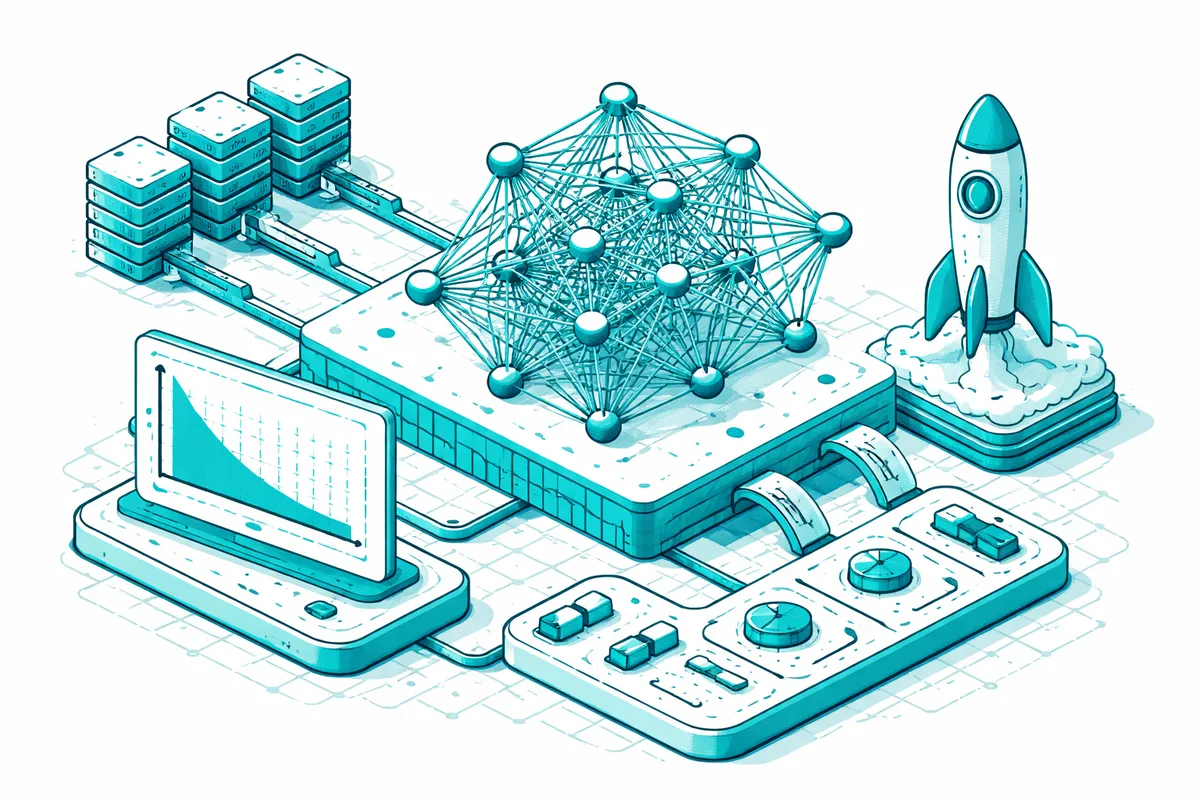
We start with your business data: sales records, customer interactions, marketing metrics, booking history, or operational logs. We clean, label, and structure this data, then train models for your specific use case. For a West Town retailer, that might be a product recommendation engine that understands style affinities and seasonal trends specific to this neighborhood's customer base. For a restaurant, a no-show prediction model that incorporates weather, day of week, and booking lead time. For an agency, a project profitability classifier that identifies which types of engagements consistently exceed budget. Every model is validated against real West Town business outcomes before deployment, and we set clear performance benchmarks so you know what improvement to expect before training begins.
After deployment, we monitor performance and update the model as West Town's fast-moving consumer dynamics evolve. The neighborhood's trend sensitivity means demand patterns shift faster here than in more stable markets, and we track those shifts to keep your model current.
Industries We Serve in West Town
Retail boutiques along Division Street and Milwaukee Avenue train product recommendation and customer segmentation models that drive personalized shopping experiences. A recommendation model trained on your actual sales data understands that customers who buy a certain brand of jeans also tend to buy a specific style of boot. It surfaces those connections in ways generic tools cannot. One West Town boutique saw recommendation click-through rates double after switching from platform-native suggestions to a custom model trained on 18 months of their own transaction data.
Restaurants and bars in Noble Square train demand forecasting models that predict covers, ingredient needs, and staffing requirements based on day of week, weather, events, holidays, social media mentions, and historical patterns. A custom model learns that a rave review from a local food blogger drives a 30% traffic spike three days after publication. It adjusts the forecast accordingly. Generic tools treating your restaurant like every other restaurant in America miss these signals entirely.
Creative agencies on Chicago Avenue train models that predict project scope accuracy, identify timelines at risk of slipping, and classify client feedback by theme and priority. An agency that consistently underestimates design revision cycles can train a model on their historical project data to flag when initial scope estimates are likely to be too optimistic, preventing the margin erosion that kills profitability on fixed-price engagements.
What to Expect Working With Us
1. Discovery and data audit. We review your data sources across all systems: POS, CRM, email platform, website analytics, and any booking or project management tools. For West Town retailers, social media engagement data is often underutilized in model training and represents a significant opportunity to improve recommendation and demand prediction accuracy. We identify the highest-value data sources and flag any quality issues before training begins.
2. Data preparation and model design. We clean and engineer features from your data, incorporating West Town-specific signals including neighborhood event patterns, competitive activity in adjacent corridors, and the seasonal character of the Division-Milwaukee-Chicago Avenue commercial zone. We select the right model architecture and define performance benchmarks clearly.
3. Training, validation, and refinement. We train on your historical data and validate against periods the model has never seen, including seasonal transitions, major local events, and the competitive openings that periodically shift foot traffic patterns in West Town. If the model underperforms on any of these scenarios, we refine before delivery.
4. Deployment and ongoing monitoring. We integrate the model into your workflow and monitor performance monthly. West Town's trend-sensitive market means model accuracy requires more frequent review than more stable neighborhoods. We schedule updates whenever significant competitive or seasonal shifts warrant retraining.