How We Build AI Content Personalization for West Town
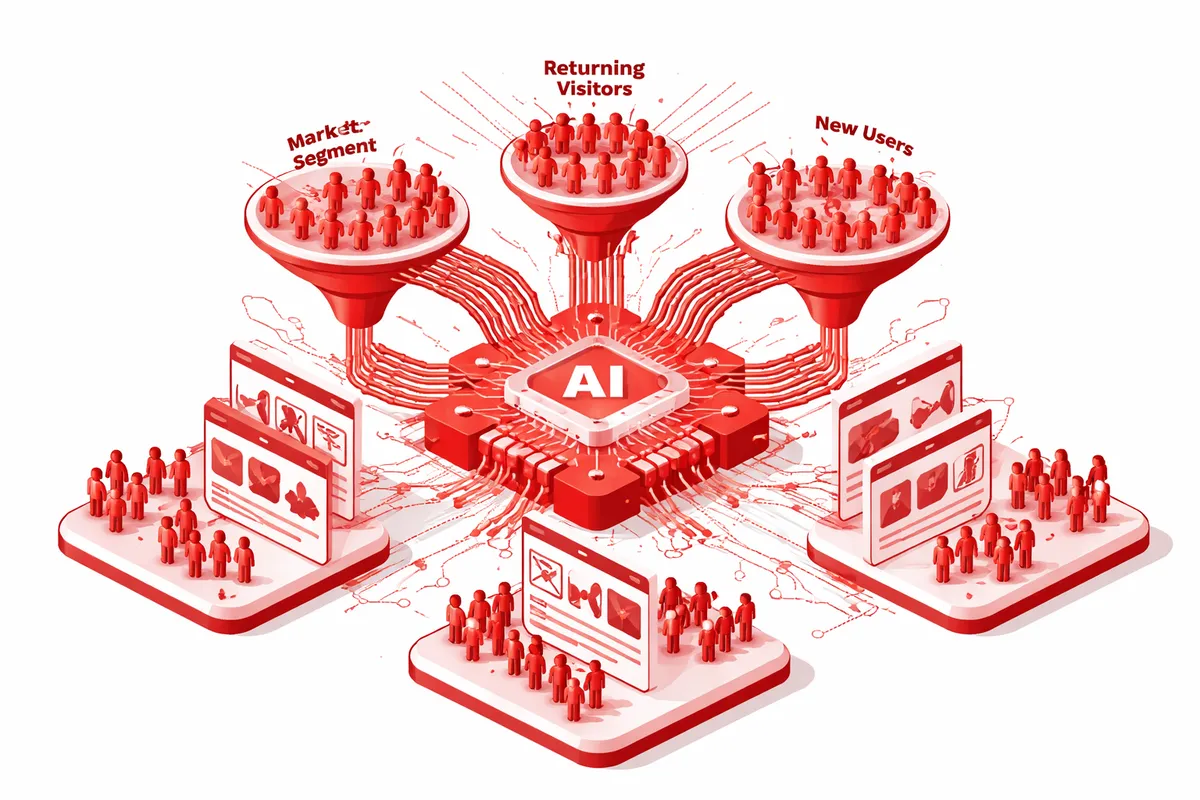
We start by connecting to every data source your business generates: POS transaction history, email engagement data, website analytics, ecommerce behavior, social media interactions, and any loyalty or CRM data you already maintain. The AI builds behavioral profiles for each customer from this data, identifying the natural segments that exist in your actual customer base rather than demographic assumptions about who should be shopping with you.
For retailers on Division Street and the Ashland and Damen corridors, segments typically break along purchase category, shopping frequency, and channel preference. A customer who consistently buys in the home goods category sees different content than one who buys in the apparel category. A customer who engages primarily on Instagram sees different messaging than one who responds to email.
For creative and professional services firms with client lists rather than customer databases, personalization operates at the account level. Case studies from relevant industries go to prospects in those industries. Capability showcases align with the services each client has historically needed. New offering announcements go to clients whose profile suggests they are the strongest fit.
For restaurants and food businesses on Division Street and near Eckhart Park, personalization follows dining frequency, occasion type, and menu preferences. The regular who comes on Thursdays for date night sees Thursday-specific offers. The customer who ordered delivery twice and has never dined in gets a specific invitation to experience the restaurant in person.
Industries We Serve in West Town
Design studios, creative agencies, and architecture firms on Chicago Avenue and Grand Avenue deploy personalization to send case studies, portfolio updates, and capability announcements to client and prospect segments aligned with each firm's specific work. A branding studio sends packaging design case studies to prospects in the consumer goods space and identity design work to clients in professional services. The AI identifies which past work is most relevant to each recipient and surfaces it automatically rather than sending one-size-fits-all portfolio blasts.
Independent restaurants and cafes near Division Street and Ashland build personalization tracks that reward regular customers and convert first-timers into return visitors. A restaurant near Pulaski Park that has been serving the neighborhood for years sends its long-term customers content that acknowledges the relationship. New visitors from the professional corridor on Chicago Avenue receive a different welcome that positions the restaurant relative to the dining options they are comparing it against.
Boutique retail and specialty shops along Division and Damen use product recommendation engines that surface items aligned with each customer's purchase history. A customer who bought artisan home goods twice sees the new spring arrivals in that category. A customer who browsed but did not purchase receives a targeted follow-up that addresses the most common purchase objections for the items they viewed.
Small manufacturing and fabrication businesses on Grand Avenue and the light industrial corridors use personalization to stay in front of their client base with project updates, material availability announcements, and capability showcases. Clients who have ordered custom metalwork receive relevant announcements when the shop adds related capacity. Prospects in specific industries receive case studies from comparable projects.
Real estate offices and property services serving West Town's active residential and commercial market personalize their communications by buyer interest, property type, and stage in the decision process. A prospect who has been browsing listings in a specific price range for six months gets different content than someone who just entered the market. Content calibration to the decision stage converts more inquiries into client relationships.
Cafes and neighborhood gathering spots near St. Stanislaus Kostka Church and Emmett Till Academy build loyalty programs with personalized reward tracks that reflect each customer's ordering pattern. A customer who comes three times per week for drip coffee gets a loyalty reward calibrated to that product and frequency. A customer who orders seasonal specialties receives early announcements of new seasonal additions before general release.
What to Expect Working With Us
1. Data audit and behavioral segmentation. We connect to your POS, email platform, website analytics, and any additional data sources to build behavioral profiles for your customer base. For West Town businesses with both online and physical presence, we sync these data streams so personalization reflects the complete customer relationship across all channels.
2. Segment development and content design. We build content tracks for each segment that share your brand identity while differing in messaging priority, offer structure, and tone. A longtime neighborhood customer receives different content than a young professional newcomer, even when both are looking at the same products. Every track is written in your business voice and reviewed before launch.
3. Campaign launch and channel integration. Personalized email, SMS, and social content go live with behavioral triggers built from your actual customer data. First campaigns typically launch within the third week. You will see segmented campaigns delivering differentiated content to different customer groups before the end of the first month.
4. Competitive performance tracking and quarterly refinement. West Town businesses compete with Wicker Park and Ukrainian Village for the same customer's loyalty and spending. Monthly reports show performance by segment and identify where personalization is winning the comparison and where refinements will improve results. Segment definitions are updated quarterly as your customer mix evolves with the neighborhood.