How We Build AI Compliance for West Town
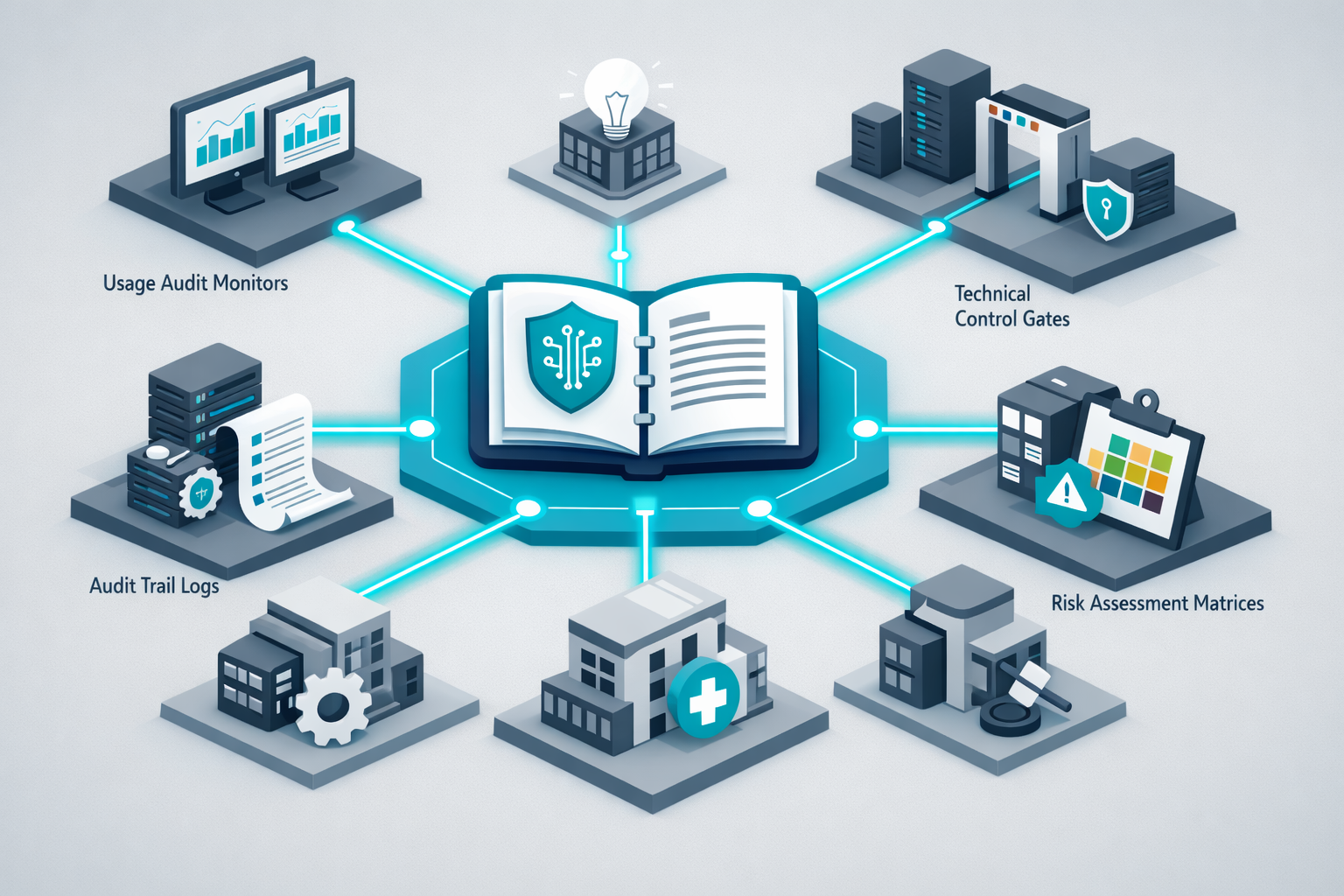
We start with an AI use audit. We assess how your team currently uses AI tools: which tools, for what purposes, how often, and in what context. We review your existing client contracts to identify relevant provisions around intellectual property, confidentiality, and deliverable ownership. We assess your current data handling practices relative to the AI tools your team uses. The audit produces a clear picture of where your actual exposure sits, not a theoretical risk profile but a specific assessment of your actual practices.
From the audit, we develop a governance framework. The framework defines categories of AI use: work where AI is appropriate without disclosure, work where AI use requires client disclosure, and work where AI should not be used due to IP risk or client data sensitivity. It establishes an approved tool list, with clear reasoning for which tools are permitted for which use cases. It defines data handling rules for AI tools, specifying how client information should and should not flow into AI systems. It establishes disclosure language for client contracts and project documentation.
We then develop implementation materials. Governance only works if your team understands it and follows it. We develop training for your team explaining the policies and the reasoning behind them. We develop contract language amendments so your agreements reflect your governance framework. We develop a monitoring process so that governance stays current as tools evolve and regulations develop.
For West Town firms building into larger markets or working with enterprise clients, we also develop audit trail documentation so you can demonstrate compliance when clients or procurement teams ask.
Industries We Serve in West Town
Design and branding studios along Chicago Avenue and Damen Avenue use compliance frameworks to govern AI use in concept generation, logo design, illustration, and production work. Governance enables confident AI use in client deliverables while protecting against intellectual property exposure and client contract violations.
Advertising and marketing agencies use governance frameworks to define appropriate AI use in copywriting, campaign strategy, audience research, and media planning. Agencies with clear frameworks can answer client AI questions directly and win procurement processes where AI governance is a requirement.
Software development and technology consultancies near Grand Avenue use AI compliance frameworks to govern AI coding assistance, code review, documentation, and architectural planning. Tech firms establish policies around which AI tools are approved in client codebases and how AI-generated code is reviewed and documented.
Architecture and interior design firms in West Town use governance to manage AI use in rendering, concept generation, specification research, and client presentations. Governance addresses the specific IP considerations around AI-generated architectural and design work.
Content and media production companies use compliance frameworks to govern AI use in scriptwriting, research, editing, and distribution strategy. Frameworks address disclosure requirements for AI-assisted content and rights considerations in AI-generated media.
Professional service firms on Division Street including consultants, accountants, and legal services use governance to define appropriate AI use in client analysis, documentation, and communication. Governance addresses data handling requirements for sensitive client information in AI tools.
What to Expect Working With Us
1. AI use audit and risk assessment. We assess how your team uses AI, review your existing client agreements, and evaluate your current data handling practices. We identify the specific areas of exposure in your current practices. The audit produces a findings report with prioritized risk areas. This phase takes two to three weeks.
2. Governance framework development. We develop the policy framework based on audit findings: approved use categories, tool approvals, data handling policies, disclosure requirements, and documentation standards. We present the framework for your review and revise based on your input. Framework development takes three to five weeks.
3. Contract and documentation updates. We develop contract language amendments reflecting your governance framework, update your client agreement templates, and develop the documentation standards for AI use in deliverables. This phase takes one to two weeks alongside framework review.
4. Team training and implementation. We train your team on the governance framework, explain the reasoning behind each policy, and address questions specific to your team's workflow. We establish a monitoring process so governance stays current as tools and regulations evolve. Training and implementation takes one to two weeks.