How We Build Multi-Agent Systems for West Loop
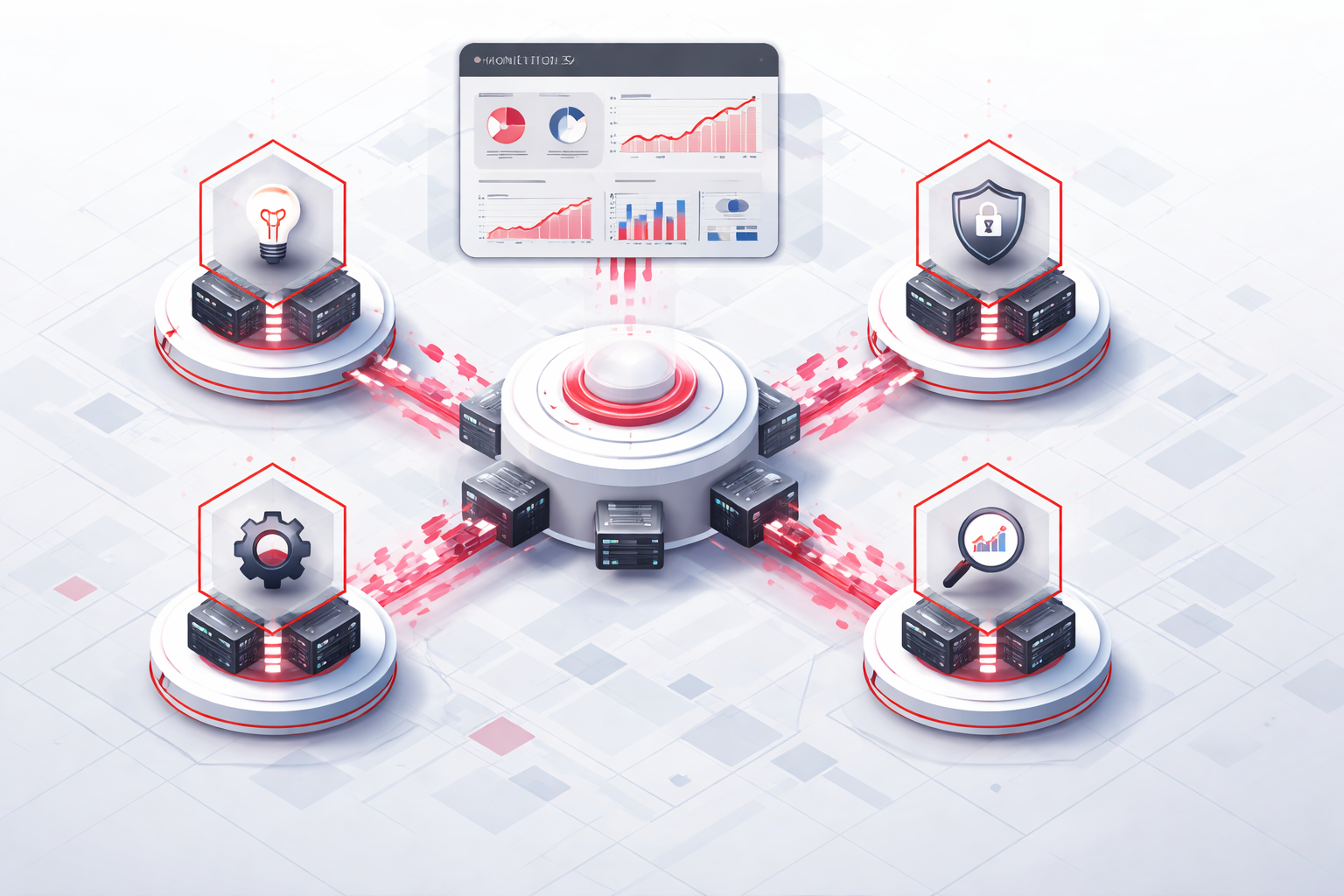
Multi-agent system design begins with process mapping and decomposition. We work with your West Loop team to map the complex process in detail: what steps it involves, what inputs and outputs each step requires, where specialized capability is needed, where quality checks belong, and where human oversight must be maintained in the overall workflow. This mapping is more detailed than the workflow decomposition we do for single agents because the coordination requirements between agents are part of what makes the design succeed or fail.
From the process map, we design the agent architecture: which tasks get dedicated specialized agents, what the orchestrating agent's responsibilities are, how agents communicate and hand off work between each other, and how the overall system handles errors and exceptions that individual agents encounter. Agent architecture design determines whether the multi-agent system produces reliable end-to-end outcomes or cascading failures where one agent's error propagates through the system.
Each agent is developed with the specificity its task requires. A document extraction agent for a West Loop law firm's multi-agent document review system is configured for the specific document types and extraction requirements of legal practice. A compliance verification agent is configured for the specific regulatory requirements of the jurisdiction and practice area involved. A quality control agent is configured for the specific review standards the firm applies. Generic agents deployed in specialized roles produce generic results at each step.
Integration and orchestration infrastructure manages the coordination between agents: the data exchange protocols that pass work between agents, the state management that tracks the overall process completion, the retry logic that handles transient failures, and the human escalation triggers that route edge cases to the appropriate human reviewer. For West Loop businesses in professional settings, the orchestration infrastructure includes the audit trail that documents every agent decision across the full workflow.
Industries We Serve in West Loop
Tech companies and startups on Lake Street and Fulton Market building AI-powered products use multi-agent systems to deliver the complex, end-to-end process automation that enterprise clients require. A startup whose product promises to automate a multi-step complex workflow needs a multi-agent architecture that produces reliable end-to-end completion rather than a single-agent approach that handles the easy parts and fails on the complex ones.
Financial technology companies near Halsted Street use multi-agent systems for complex financial process automation: loan processing workflows, fraud investigation workflows, compliance review processes, and the multi-step customer service resolution processes that require specialized capability at each step. Fintech multi-agent systems are designed with the reliability and audit trail requirements that financial regulatory environments impose.
Legal and professional services firms along Madison Street use multi-agent systems for document review workflows, due diligence processes, and the complex research tasks that require multiple specialized agents to handle different aspects of the work. Legal multi-agent systems are designed with the human oversight integration that professional responsibility standards require for AI-assisted work product.
High-end restaurant and hospitality groups on Randolph Street and Fulton Market use multi-agent systems for complex operational workflows: multi-step catering and event management processes, supplier procurement workflows that involve multiple vendor negotiations and quality assessments, and the guest experience workflows that require coordinated action across reservation, staffing, and kitchen systems.
Real estate development and commercial leasing in West Loop uses multi-agent systems for due diligence workflows, lease review and abstraction processes, and the complex project management workflows that coordinate multiple specialized activities across active development projects.
Creative and advertising agencies in West Loop use multi-agent systems for complex campaign development workflows: research agents that gather competitive intelligence and audience insights, creative agents that generate content variations, review agents that evaluate outputs against brand standards, and distribution agents that manage campaign deployment across multiple platforms.
What to Expect Working With Us
1. Process mapping and agent architecture design. We map the complex process in detail, identify the specialized capability requirements at each step, and design the agent architecture that handles the coordination reliably. Architecture design is the most critical phase because the coordination structure determines whether the system produces reliable end-to-end outcomes.
2. Individual agent development and integration. We develop each specialized agent for the specific task it handles, build the orchestration infrastructure that coordinates agents, and implement the data exchange protocols that pass work reliably between agents. Each agent is tested for its specific task before being integrated into the coordinated system.
3. End-to-end system testing and production preparation. We test the complete multi-agent system against the full range of process scenarios it will encounter in production, including error conditions and edge cases that reveal coordination failures. Production preparation includes the monitoring infrastructure, audit trail configuration, and human escalation paths that make the system safe to operate in live West Loop business environments.
4. Deployment, monitoring, and ongoing maintenance. We deploy the multi-agent system with comprehensive monitoring that tracks the performance of each agent and the overall end-to-end completion rate, and we maintain the system as the process it serves evolves and as individual agent performance requires adjustment.