How We Build AI Marketing Automation for West Loop
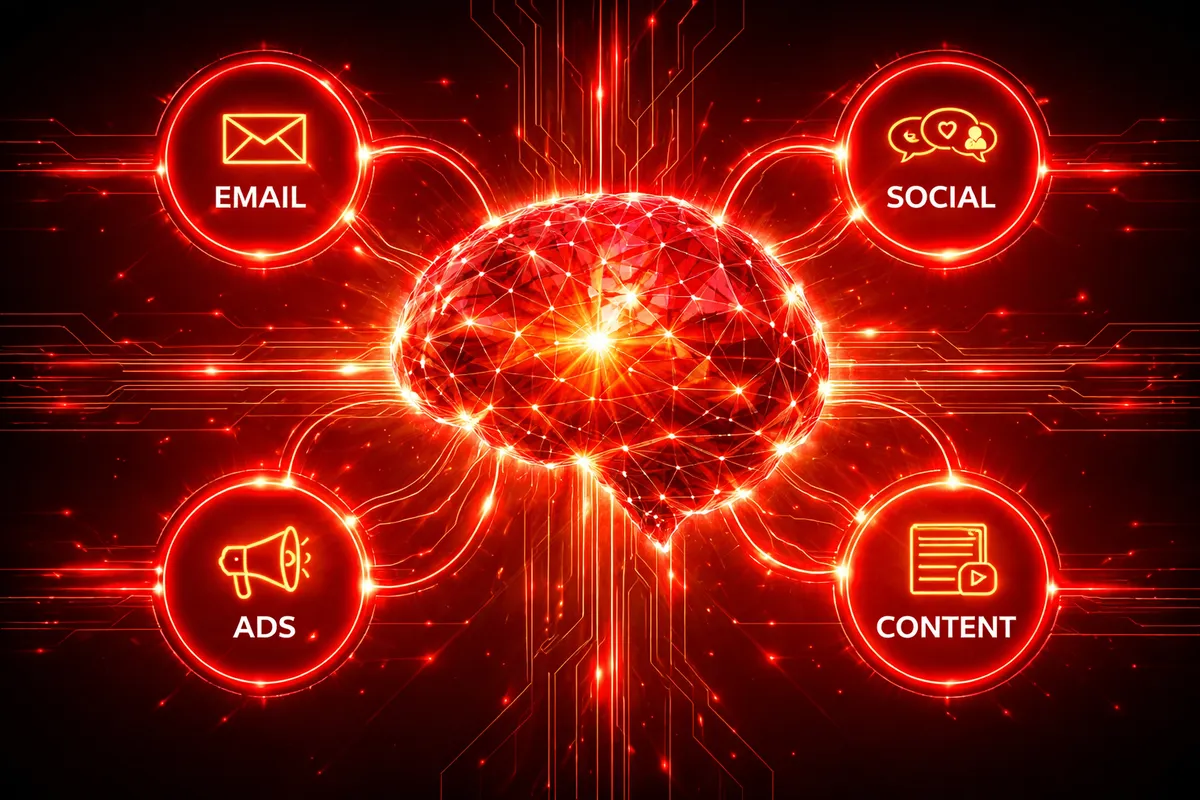
The automation architecture starts with the marketing objectives and customer journey map for your West Loop business. We document what you want customers to do, what communication supports each stage of that journey, and what triggers should initiate each communication. For a Fulton Market restaurant, the journey includes pre-reservation nurture, confirmation and pre-arrival communication, post-visit follow-up, lapsed guest reactivation, and event announcement sequences. For a tech startup on Lake Street, it includes prospect awareness nurture, evaluation-stage content delivery, trial-to-paid conversion sequences, and customer expansion communication.
From the journey map, we build the automation architecture: the triggers that initiate each sequence, the logic that moves contacts through stages, the content that populates each communication, and the measurement framework that evaluates performance. AI tools assist in content generation for each stage, in the optimization of send timing and subject lines, and in the personalization logic that tailors content to individual audience characteristics.
Platform selection and configuration depends on your West Loop business's existing stack and your audience composition. For restaurants and hospitality businesses, we typically build on email marketing platforms that connect with reservation systems. For B2B tech companies, we build on marketing automation platforms that connect with CRM systems. For agencies and professional services, we configure platforms appropriate to the communication cadence and content types involved.
The system is built for ongoing operation with the human oversight points that keep automation feeling intentional. Weekly review sessions on performance data, monthly content calendar updates, and quarterly strategy reviews ensure the automation reflects current business priorities rather than running on auto-pilot toward objectives that have shifted.
Industries We Serve in West Loop
Tech companies and startups on Fulton Market and Lake Street use AI marketing automation to maintain consistent communication through long enterprise sales cycles, investor nurture sequences, and customer onboarding and expansion workflows. Automation that delivers relevant content at the right stage of a prospect's evaluation process is measurably more effective than manual outreach that depends on a sales team's availability and memory.
High-end restaurants on Randolph Street and Fulton Market use AI marketing automation to manage guest communication across the full lifecycle: confirmation sequences, seasonal menu announcements, event programming communication, lapsed guest reactivation, and the private dining inquiry follow-up that destination restaurants handle at significant volume. Automation that maintains communication quality across all of these simultaneously is a genuine operational advantage.
Boutique hotels and hospitality properties near Morgan Street use AI marketing automation to build the direct booking relationship that reduces dependence on platform bookings and the commission costs they carry. Pre-arrival communication, post-stay follow-up, loyalty communication, and seasonal promotion sequences all run more consistently on automation than on manual execution by front desk staff managing multiple operational responsibilities.
Creative and advertising agencies in West Loop use AI marketing automation for their own new business development and as a service they deliver to clients. An agency with a well-configured marketing automation practice has both internal revenue consistency and a client offering with recurring value. For client campaigns, automation handles the execution layer while agency teams focus on strategy and creative.
Legal and professional services firms on Madison Street use AI marketing automation for newsletter communication, event invitation sequences, and the thought leadership distribution that builds referral relationships. Professional services marketing automation is calibrated to professional communication standards: frequency and tone that reinforce credibility rather than create noise.
Real estate development and commercial leasing operations in West Loop use AI marketing automation to maintain communication with leasing prospects through the long decision cycles of commercial real estate. Automated nurture sequences that deliver relevant property information, market updates, and development progress keep prospects engaged without requiring a leasing agent to manage each prospect manually.
What to Expect Working With Us
1. Marketing objectives and customer journey mapping. We document the customer journeys that marketing automation should support for your West Loop business, identifying the stages, the content needs at each stage, and the triggers that indicate movement between stages. This is the strategic foundation that makes automation purposeful rather than mechanical.
2. Automation architecture design and platform configuration. We design the automation architecture for each customer journey and configure the platform that delivers it. Platform choice reflects your existing tech stack, your audience composition, and the integration requirements that make automation connected to the rest of your West Loop business's operations.
3. Content development and AI-assisted production. We develop the content for each automation stage using AI tools to accelerate production while maintaining the quality standard that West Loop's sophisticated audience expects. Content reflects your brand voice and is specific enough to your neighborhood context to feel locally grounded rather than templated.
4. Launch, measurement, and ongoing optimization. We launch the automation, build the measurement reporting that tracks performance by stage and segment, and establish the review cadence that keeps the system improving over time. West Loop businesses in competitive environments need automation that gets better with use, not automation that launches and runs unchanged.