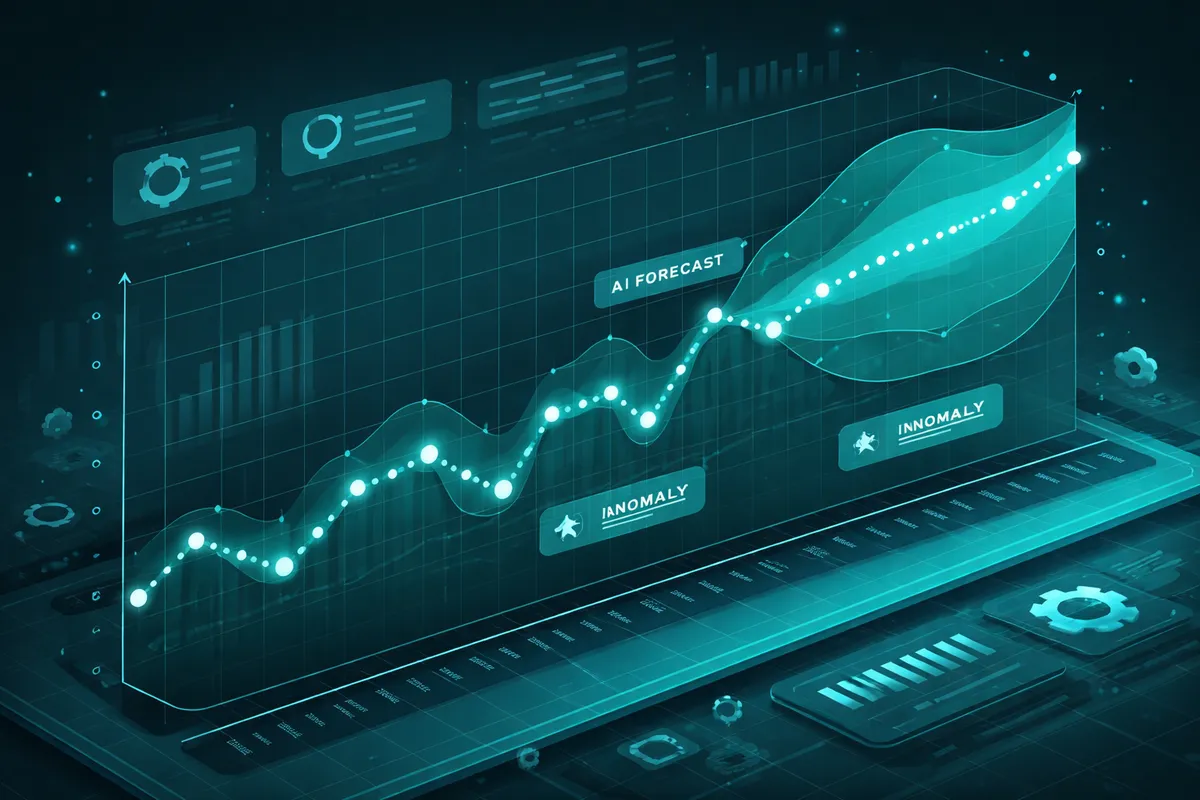
How We Build Predictive Analytics in Uptown
We connect to your sales, booking, and customer data. The AI builds models incorporating your history alongside external signals: Aragon Ballroom and Green Mill event schedules, cultural holiday calendars, weather forecasts, and Broadway development patterns. For restaurants on Argyle Street, demand predictions align with cultural events and seasonal ingredients. For venues, models predict ticket demand by genre and day of week. For service providers on Broadway, we forecast appointment volume based on neighborhood demographic shifts and seasonal patterns.
The deployment starts with loading the Aragon and Green Mill event calendars for the coming six months, which immediately gives the model its most powerful forward-looking signal. Training on your historical data typically takes two to three weeks. Validation against past event nights confirms the model accurately captures the Aragon surge effect before you rely on it for future planning.
Industries We Serve in Uptown
Restaurants along Argyle Street use predictive analytics to forecast demand around cultural holidays, entertainment events, and seasonal patterns. Lunar New Year demand differs significantly from Christmas demand in Uptown, and the model captures these cultural distinctions. Restaurants on Broadway and near the entertainment venues use event-driven forecasts to optimize prep and staffing for show nights, accounting for whether the show is a sold-out headliner or a quiet weeknight performance.
Entertainment venues near the Aragon Ballroom and Green Mill predict ticket demand by genre, artist profile, day of week, and competing events to optimize programming, pricing, and marketing timing. A venue that knows a Wednesday show is tracking below breakeven two weeks out can increase promotion or adjust pricing while there is still time to fill the room. Retail businesses on Broadway forecast foot traffic and seasonal demand around the neighborhood's mixed consumer base. Service providers predict appointment volume based on neighborhood demographic patterns and seasonal trends that are specific to Uptown's diverse residential base.
What to Expect Working With Us
1. Entertainment calendar integration. Uptown deployments begin by loading the full Aragon Ballroom and Green Mill event calendars, the Argyle Street cultural event schedule, and any other major neighborhood programming. This calendar is the backbone of Uptown demand forecasting.
2. Cultural demand segmentation. We analyze how your historical sales respond to different types of events: Vietnamese cultural celebrations, Latin music shows, jazz nights, sold-out rock concerts. Each creates a different demand signature, and the model learns to predict each one from your specific data.
3. Audience type forecasting. We build a visitor segmentation layer that predicts not just how many customers you will see but what type, based on the events and cultural calendar in any given week. This improves promotional timing and product/menu decisions.
4. Weekly event alerts. You receive an automated alert whenever the model identifies an upcoming high-demand period more than seven days out. A sold-out Aragon show triggers an alert ten days in advance with recommended staffing and prep quantities.