Your Cart (0)

Your cart is empty

Uptown, Chicago

ERP Integration in Uptown

ERP Integration for businesses in Uptown, Chicago. We know the neighborhood, the customers, and what it takes to compete locally.

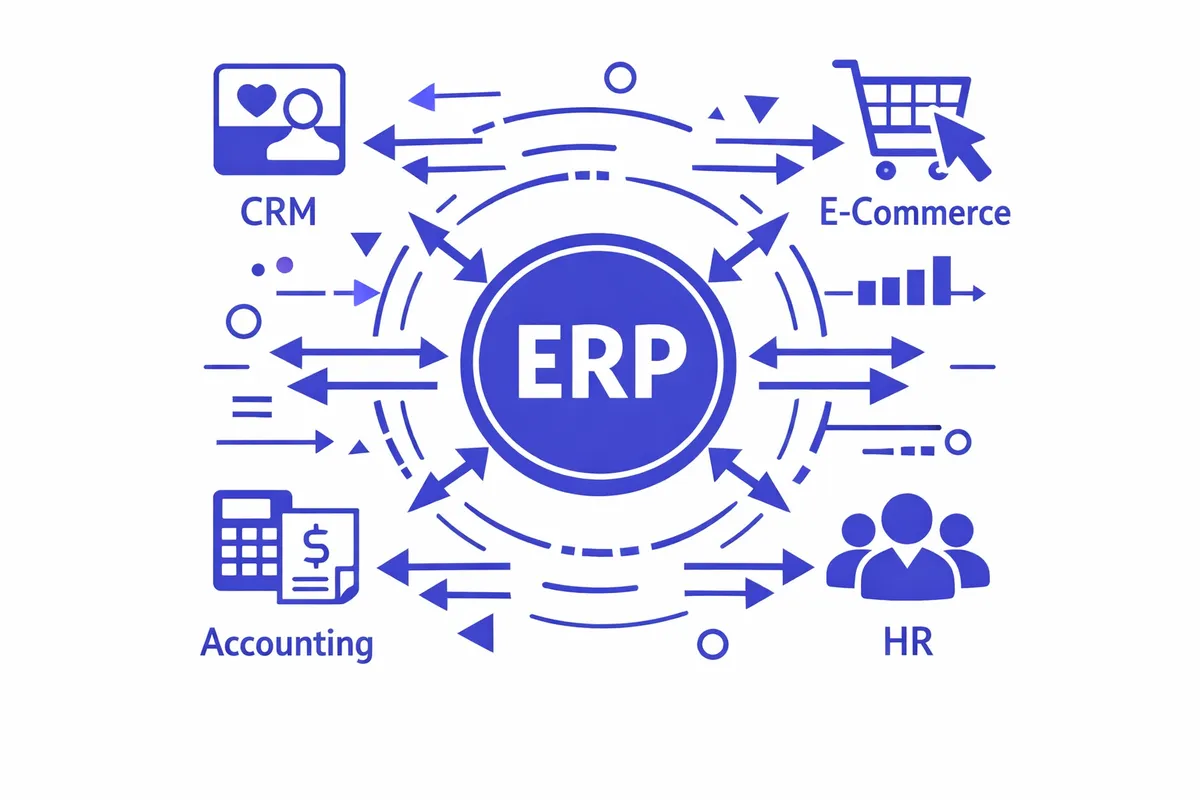
ERP Integration in Uptown service illustration

Our ERP Integration Services in Uptown

  • Full system audit mapping all existing platforms and required data flows across your Uptown organization's technology stack
  • Integration architecture design with field-level transformation rules for each system pair
  • Case management to financial system integration for Uptown nonprofits tracking program expenditures against grant allocations in real time
  • Scheduling to billing integration for medical practices near Weiss Memorial, automating the billing event trigger from appointment completion
  • Property management to financial integration for housing organizations connecting maintenance, lease, and payment data to accounting systems
  • HR to payroll integration automating time and attendance data flow and eliminating manual payroll entry
  • Donor and grants management system integration for organizations reconciling development and finance data
  • Government reporting portal integration automating data submission for Illinois DCFS, DHS, and HUD-funded programs
  • HL7 and healthcare messaging integration for clinical systems near Weiss Memorial requiring standards-based data exchange
  • Real-time and batch synchronization design based on the operational timing requirements of each data flow
  • Monitoring dashboards with integration health visibility and automated alerting for critical failures

Industries We Serve in Uptown

Social service and community organizations integrate case management, financial accounting, HR, and grant reporting systems to eliminate the manual data assembly that currently consumes administrative capacity at reporting time. For organizations with multiple program areas and multiple funders, integration creates the data infrastructure that makes accurate reporting manageable.

Medical and behavioral health practices near Weiss Memorial integrate scheduling, clinical documentation, and billing systems to close the gaps where revenue is lost and staff time is consumed by manual handoffs between systems.

Affordable housing and property management organizations integrate tenant management, maintenance tracking, financial accounting, and government compliance reporting so property managers work from a unified data picture rather than navigating three separate systems for each tenant interaction.

Employment services and workforce development organizations integrate participant tracking, training management, employer relationship management, and outcome reporting to create the data flow that makes program management and funder reporting accurate and efficient.

Cultural and advocacy organizations integrate membership management, donor tracking, event management, and financial systems so development and operations staff work from consistent data without manual reconciliation.

What to Expect Working With Us

1. System audit and discovery. We document your complete technology stack, map all existing and required data flows, assess integration capabilities of each system, and identify data quality issues before any architecture decisions are made.

2. Architecture and design. We produce detailed integration architecture documentation covering data flow diagrams, field mapping specifications, transformation logic, error handling strategy, and compliance requirements for regulated data flows.

3. Build and testing. We build integrations with monitoring and error handling built in from the start. We test against production-realistic data scenarios, deliberately covering edge cases and failure modes before any integration goes live.

4. Launch, stabilization, and support. We launch with monitoring active and provide a defined stabilization period. We deliver complete documentation and train your operations staff on monitoring and first-level troubleshooting.

Frequently Asked Questions

The integration landscape for Uptown nonprofits typically involves connecting case management platforms like Apricot, Salesforce Nonprofit Success Pack, or HMIS systems with financial accounting in QuickBooks, Sage, or nonprofit accounting platforms; HR systems in BambooHR, Rippling, or ADP; and grant management in Foundant, Blackbaud, or similar tools. The specific integrations we design depend on which platforms your organization uses and what data currently moves manually between them. We assess your specific stack during discovery and recommend the integration architecture that delivers the most value for your operational reality.

Yes. Many Illinois state funders including DCFS, DHS, and IDHS require reporting through specific state portals that nominally accept data from case management systems. The quality and reliability of that data exchange varies significantly by portal and by case management platform. We assess the specific reporting requirements and technical capabilities of each portal-platform pair and design integration architecture appropriate to what is technically possible. Where direct API integration is not available, we design structured data export and submission workflows that reduce manual work even when fully automated integration is not achievable.

Healthcare integrations require HIPAA-compliant data flow design. Patient data transmitted between scheduling, clinical, and billing systems must be encrypted in transit and protected through the same access control and audit trail requirements that apply to data storage. We design these requirements into the integration architecture as foundational constraints, not afterthoughts. Business Associate Agreement requirements apply to third-party systems or services involved in data transmission. We involve your HIPAA compliance officer in the integration architecture review before development begins and produce compliance documentation as a project deliverable.

Legacy systems without modern API connectivity are common in Uptown's nonprofit and healthcare sectors, where platforms have been in use for years and predate modern integration standards. We address this through several approaches depending on what the system supports. Database-level integration reads and writes data at the database layer, bypassing the application interface. File-based integration uses export and import capabilities that most older systems support. Screen scraping and robotic process automation automate interactions with the system's user interface when no other integration point exists. We assess each system's specific capabilities during discovery and select the approach most appropriate to the reliability and performance requirements of the specific integration.

A focused integration between two well-documented systems typically takes four to eight weeks. Multi-system integration projects involving several platform pairs, complex data transformations, or compliance requirements take ten to sixteen weeks. We scope conservatively to account for the surprises that often emerge in legacy system integration, and we communicate timeline risks transparently during the scoping process.

ERP integrations require ongoing attention as connected systems release updates that change their APIs, as business processes evolve and integration logic needs updating, and as data volume grows and performance characteristics change. We provide maintenance retainer options covering monitoring, error resolution, and updates triggered by system changes or business process evolution. Legacy system integrations in particular benefit from sustained monitoring because older systems have behaviors that surface only under specific conditions not covered during initial testing. Learn more about our [ERP integration services across Chicago](/chicago/erp-integration) or explore other [digital services available in Uptown](/chicago/uptown).

Ready to get started in Uptown?

Let's talk about erp integration for your Uptown business.