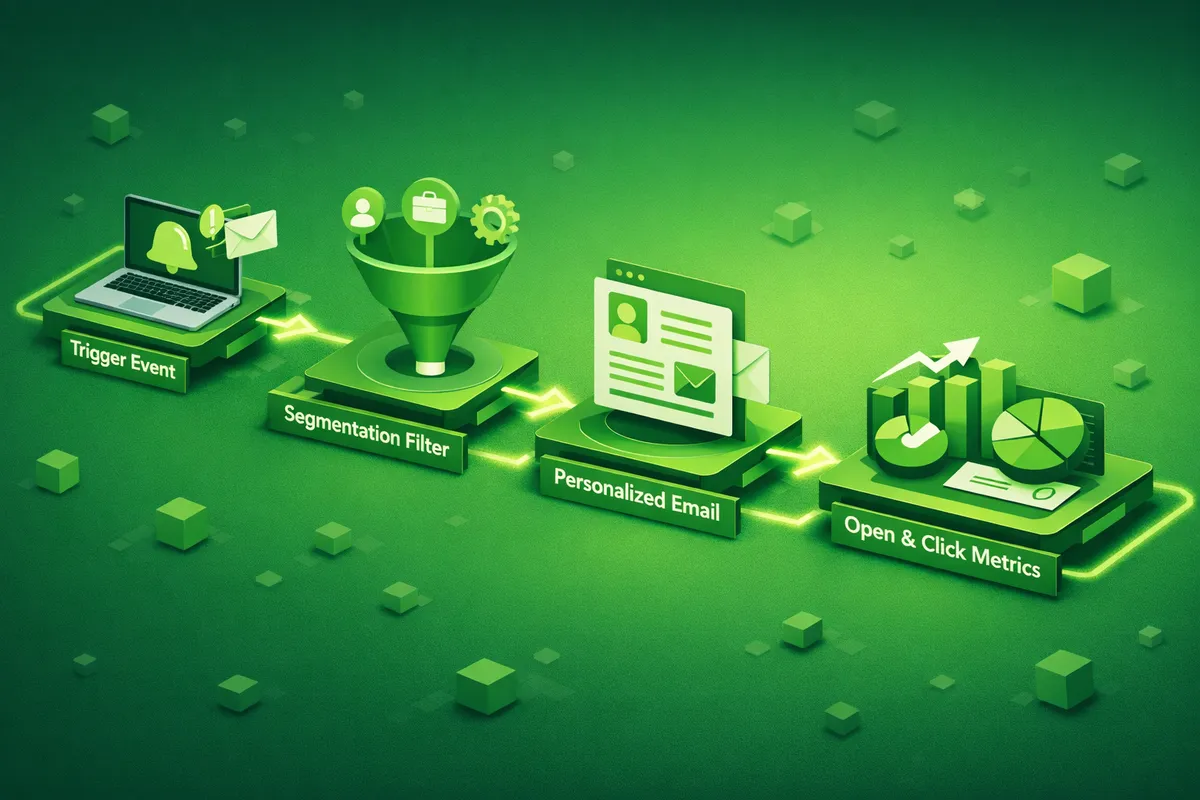
How We Build Email Marketing for Uptown
Uptown's transit infrastructure creates list-building opportunities that most businesses underutilize. The CTA Red Line stops at Wilson, Lawrence, Argyle, and Berwyn run through the neighborhood's commercial core, and tens of thousands of residents and visitors pass through daily.
The Aragon Ballroom and Riviera Theatre collectively bring tens of thousands of visitors to Uptown each month during the fall and winter show season. These visitors do not live in Uptown. Many travel from Lincoln Park, Oak Park, the suburbs, or out of town for specific shows.
Argyle Street businesses have the most culturally specific list-building opportunity in the neighborhood. Lunar New Year celebrations, Mid-Autumn Festival gatherings, Argyle Night Market events, and the corridor's summer street programming draw concentrated crowds with a strong pre-existing connection to the businesses and culture of the corridor.
Summer farmers markets and outdoor pop-up events along Broadway provide transition-season list-building. Vendors who collect emails from market customers can turn seasonal buyers into year-round email subscribers who visit the permanent storefront when winter closes the outdoor market.
Email Automation for Uptown Businesses
The Uptown welcome sequence should be specific to the neighborhood, not just the business. When a new subscriber joins the list of a boutique on Clark Street near Truman College, the first email introduces the shop. The second email introduces Uptown: recommendations for nearby restaurants on Argyle, upcoming shows at the Green Mill, and a note about the Montrose Harbor trail accessible by bus from Lawrence. The third email makes a specific offer.
Event-driven automation for Uptown's entertainment corridor ties email sends directly to the venue calendar. When a show announcement goes up for the Aragon or Riviera, nearby restaurants and bars can trigger automated sequences to concertgoer segments: pre-show dinner promotions sent two weeks before the event, day-of-show reservation reminders, post-show late-night menu promotions timed for the hour after the show ends.
The re-engagement sequence for Uptown businesses addresses the neighborhood's residential turnover. Uptown has a higher population churn rate than most North Side neighborhoods, driven by its mix of large rental buildings, affordable housing stock, and student-adjacent proximity to Truman College.
The loyalty program automation for Argyle Street's restaurant corridor builds on how the corridor actually functions. Diners who come to Argyle Street regularly visit more than one restaurant across multiple visits. Email automation that rewards corridor-wide behavior rather than single-restaurant visits captures this pattern and formalizes it: a subscriber who visits three different Argyle Street restaurants within a month earns a reward at any of them, communicated through email sequences that drive repeat behavior.
Seasonal Email Strategy for Uptown
Spring in Uptown marks the reopening of the outdoor economy. Broadway sidewalk seating reappears. The Montrose Harbor trail fills with cyclists and runners. Foot traffic on Argyle increases as the weather makes outdoor dining viable again. Spring email campaigns should announce patio openings with specific reservation calls to action, introduce spring menus with clear descriptions of what has changed, and preview the summer events calendar early enough that subscribers plan around Uptown rather than discovering it in August.
Summer peaks with the Argyle Night Market and Uptown neighborhood festivals that draw visitors who are discovering the neighborhood for the first time. Businesses with active email lists should use these events as list-building opportunities and convert the new subscribers through summer welcome sequences that introduce Uptown's commercial identity.
Fall brings Uptown's indoor economy back into prominence. The Aragon and Riviera begin their fall show season, which is traditionally one of the two strongest periods on the venue calendar. Argyle Street benefits from the seasonal shift toward hot noodle dishes, warming soups, and the comfort food identity that defines the corridor in colder months.
Winter in Uptown presents challenges that the entertainment district mitigates in a way unique among Chicago neighborhoods. While foot traffic drops significantly on Broadway and Argyle, the Aragon, Riviera, and Green Mill continue drawing indoor audiences through the coldest months. Businesses near these venues should increase event-tied email frequency in January and February, when venue audiences represent a higher percentage of total neighborhood commerce activity than at any other time of year.
Industries We Serve in Uptown
Southeast Asian restaurants on Argyle Street receive email programs built around cultural storytelling, seasonal menu launches, and community event promotion. We build list-capture strategies tied to Argyle Night Market and Lunar New Year events, develop content that honors the cultural connection subscribers bring to the corridor, and build the frequency and cadence appropriate to restaurants with weekly menu variations and monthly cultural programming.
Entertainment venues near the Aragon Ballroom and Riviera Theatre receive email programs built around show announcements, pre-sale subscriber access, and event-adjacent offers for surrounding businesses. We segment venue lists by genre preference and attendance frequency to deliver show announcements that earn opens rather than training subscribers to ignore high-volume sends.
Independent retail and boutique shops along Broadway and Clark Street receive email programs built around new inventory arrivals, seasonal promotions, and the neighborhood content that builds subscriber loyalty beyond the transactional relationship. We develop welcome sequences that introduce both the shop and the Uptown neighborhood, building the dual loyalty that sustains independent retail in a neighborhood with as many alternatives as Uptown offers.
Jazz and music venues, including Green Mill-adjacent businesses receive email programs that tie brand identity to Uptown's cultural heritage. Monthly content pairing cultural history with current programming, jazz and arts event calendars, and neighborhood narrative that positions the venue as a steward of Uptown's entertainment legacy builds the subscriber loyalty that sustains cultural institutions across the economic cycles Chicago neighborhoods experience.
Healthcare clinics, social service organizations, and community nonprofits near Truman College and the Lawrence Avenue corridor receive email programs that deliver service information to the communities they serve. We build plain, clear email communications in the appropriate languages, maintain list hygiene for the high-turnover Uptown residential base, and develop content that serves the practical information needs of subscribers rather than promotional interests.
Salons, barbershops, and personal service businesses throughout Uptown receive email programs built around appointment-based loyalty: booking reminders, new service announcements, seasonal promotions, and review generation sequences timed to appointment completion. These businesses have among the highest subscriber-to-revenue ratios of any Uptown business type when email programs are well-executed, because the repeat purchase cycle is predictable and the relationship is personal.
What to Expect Working With Us
1. List and audience audit. We review your current email list, open and click data, subscriber acquisition sources, and any existing automation. We identify the segments that are actively engaging, the segments that have lapsed, and the acquisition channels producing the highest-quality new subscribers. This audit drives the strategy we build rather than applying a standard framework.
2. Strategy and sequence build. We develop the email strategy specific to your Uptown business type and subscriber base: welcome sequences, event-driven automations, seasonal campaign calendars, and re-engagement sequences. We build each sequence before launch rather than improvising sends week to week.
3. Content creation and campaign management. We write the campaigns and manage the send calendar on your behalf, or we provide content direction and review for your team to execute. We build content that reflects Uptown's specific cultural and commercial character rather than generic Chicago neighborhood email content.
4. Performance tracking and optimization. We report on open rates, click rates, conversion rates, and list growth monthly. We test subject lines, send times, and content formats systematically rather than intuitively. Uptown businesses with well-executed email programs typically reach twenty-five to thirty-two percent open rates and three to five percent click rates within the first ninety days of structured campaign management.