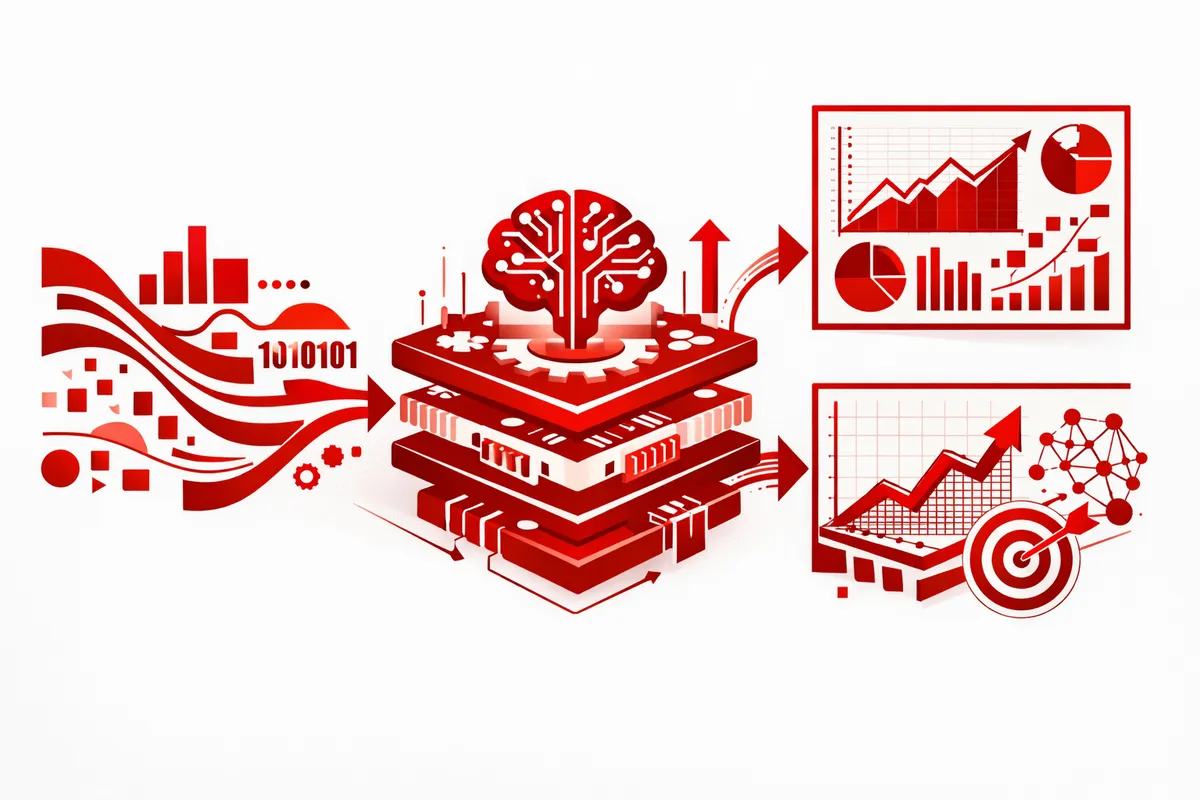
Our Data Analytics and AI Work in Uptown
- Data strategy development connecting analytics investments to specific organizational decisions and program outcomes
- Data warehouse design consolidating information from case management, financial, HR, and program platforms into a unified analytical foundation
- ETL pipeline development for automated data movement from the diverse platforms Uptown organizations use
- Impact measurement dashboards for nonprofits tracking program outcomes against grant requirements and organizational goals
- Clinical analytics for medical practices near Weiss Memorial: patient panel analysis, appointment utilization, and care gap identification
- Demand forecasting for food service and retail businesses on Argyle Street and the Wilson Avenue corridor
- Tenant stability analytics for affordable housing organizations: payment pattern analysis, maintenance demand modeling, and occupancy forecasting
- Community outcome analytics connecting service delivery data to population-level health, employment, and housing indicators
- AI-assisted document processing for organizations with high volumes of intake forms, case notes, and compliance documentation
- Natural language analytics for community feedback, survey responses, and program evaluation data
Industries We Serve in Uptown
Social service and community organizations use analytics to demonstrate program impact to funders, identify participants most in need of intensified services, measure outcomes across program areas, and make resource allocation decisions informed by data rather than intuition. For organizations managing multiple programs with different funder-defined outcomes, unified analytics dashboards replace the manual reconciliation that currently consumes staff reporting time.
Healthcare and behavioral health providers near Weiss Memorial use analytics for patient panel management, appointment utilization analysis, care gap identification, and quality measure tracking. Small practices benefit from analytics tools proportionate to their scale and budget rather than the enterprise clinical analytics platforms designed for large health systems.
Affordable housing and property management organizations use analytics for tenant stability modeling, maintenance demand forecasting, portfolio performance tracking, and compliance reporting for HUD and state housing agency oversight.
Restaurants and food businesses on Argyle Street and Broadway use demand forecasting, waste reduction analytics, and operational performance dashboards calibrated to the specific patterns of Uptown's food service market, including the Green Mill's jazz calendar, Aragon Ballroom event nights, and seasonal lakefront traffic.
Immigration and legal services organizations use analytics to manage case pipeline, track outcomes, identify resource gaps in service delivery, and demonstrate impact to the foundations and government agencies that fund their work.
What to Expect Working With Us
1. Discovery and data audit. We identify the specific decisions your leadership needs to make better and catalog the data sources that exist to support those decisions. This produces an analytics strategy prioritizing initiatives by organizational impact before technology selection begins.
2. Infrastructure design. We design the data consolidation architecture appropriate to your current systems and future needs, whether a modern analytics database, a lightweight reporting integration, or a more comprehensive data warehouse.
3. Incremental delivery. Working dashboards and reports within eight to twelve weeks. Advanced analytics and AI components delivered in subsequent phases as the foundational reporting layer proves stable.
4. Ongoing partnership. Post-launch adoption tracking, dashboard refinement, and ongoing analytics capability development as your organization's data and analytical needs evolve.