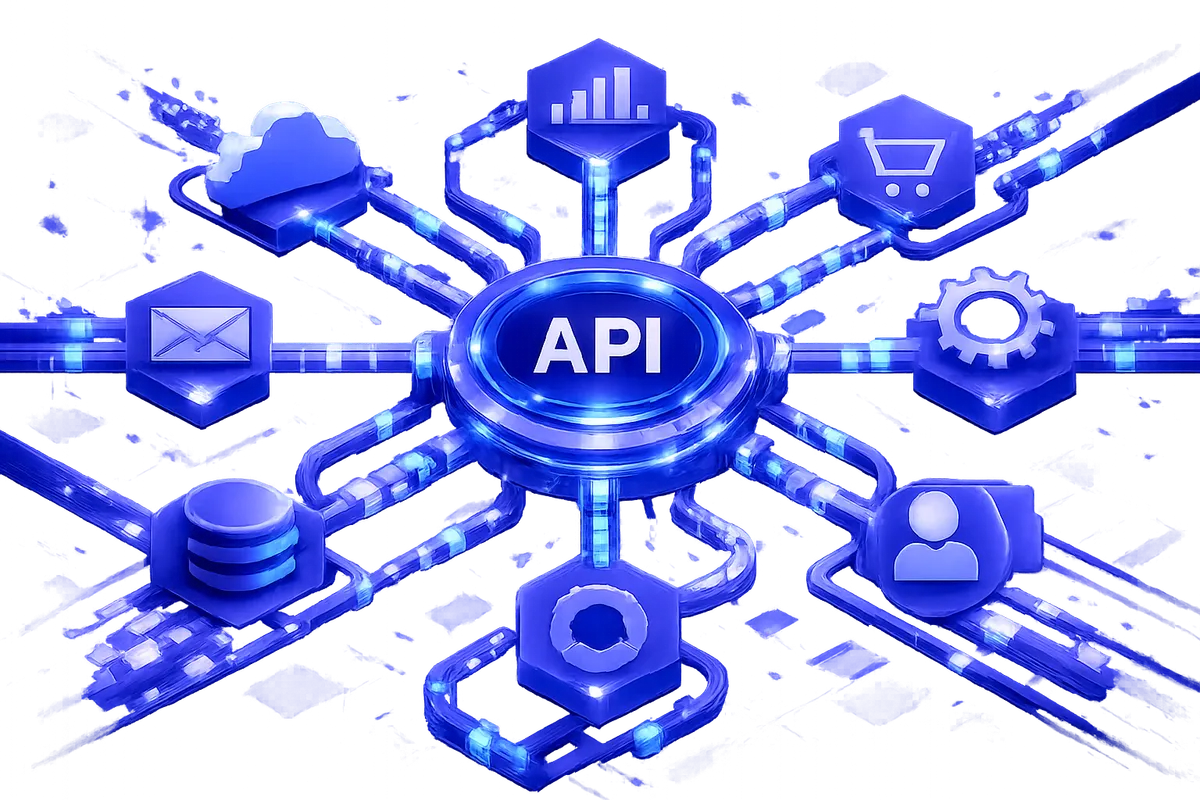
Our API Integration Services in Uptown
- Integration requirements analysis: mapping your technology landscape, documenting the manual data handoffs between your systems, and identifying every integration that should exist but does not
- Integration architecture design: selecting the right approach for each connection, whether that is a direct API connector, a middleware layer, event-driven messaging, or a scheduled data sync
- Custom connector development for systems that do not offer pre-built integration options
- Nonprofit integrations: Salesforce, Bloomerang, DonorPerfect, and case management platform connectivity for Uptown social service organizations
- Healthcare integrations: scheduling, EHR, and billing platform connectivity for medical offices near Weiss Memorial Hospital, designed with HIPAA compliance requirements built in
- Restaurant and hospitality integrations: POS, delivery aggregator, reservation, and loyalty platform connectivity for Argyle Street and Broadway corridor businesses
- Event venue integrations: ticketing, artist management, and operations platform connectivity for Uptown's music venues
- E-commerce and payment integrations for Uptown retail and food businesses adding online sales channels
- Error handling, retry logic, and monitoring for every integration so your team knows when something is wrong before it becomes a problem
- Legacy system integration for older platforms without modern APIs, common in Uptown's nonprofit and healthcare organizations
Industries We Serve in Uptown
Nonprofits and social service organizations around Lawrence, Wilson, and Argyle Street connect their donor management, case management, grant reporting, and volunteer coordination platforms so staff spend time on mission rather than data entry. We understand the specific platforms common in Chicago's nonprofit sector and the data governance requirements that funding relationships impose.
Healthcare and medical practices near Weiss Memorial Hospital and along Sheridan Road integrate scheduling, EHR, patient communication, and billing systems. Healthcare integrations require HIPAA-compliant architecture from the first design session. We build that compliance into the integration structure rather than treating it as an audit checkpoint at the end.
Restaurant and food service operators on Argyle Street and the Broadway corridor connect their POS systems with delivery aggregators, reservation platforms, and loyalty programs to eliminate manual reconciliation and give owner-operators accurate daily operational visibility.
Music venues and entertainment businesses at the Aragon Ballroom, Riviera Theatre, Green Mill, and other Uptown venues integrate ticketing, operations, artist management, and staff scheduling platforms so event operations run on connected information rather than manual coordination.
Immigrant community service organizations serving Uptown's Vietnamese, Cambodian, Ethiopian, and other communities connect their intake, language services, case management, and reporting platforms to reduce administrative burden on staff working across multiple languages and service categories.
What to Expect Working With Us
1. Technology landscape mapping and gap analysis. We document every system your organization uses, trace every manual data handoff between them, and quantify the time cost of each gap. The output is a prioritized integration list with clear business justification for each connection.
2. Architecture design and approval. Before any integration is built, you review and approve the architecture for each connection: what data flows where, how errors are handled, and what security controls protect sensitive information. No surprises in implementation.
3. Build and test with working integrations at each stage. We build integrations one at a time and test each thoroughly before moving to the next. You see working integrations throughout the project rather than a single delivery at the end.
4. Monitoring, documentation, and ongoing support. Every integration includes monitoring that alerts your team to failures before they affect operations. Documentation is thorough enough that your team understands what each integration does and how to interpret the alerts you receive.