Your Cart (0)

Your cart is empty

Uptown, Chicago

API Development in Uptown

API Development for businesses in Uptown, Chicago. We know the neighborhood, the customers, and what it takes to compete locally.

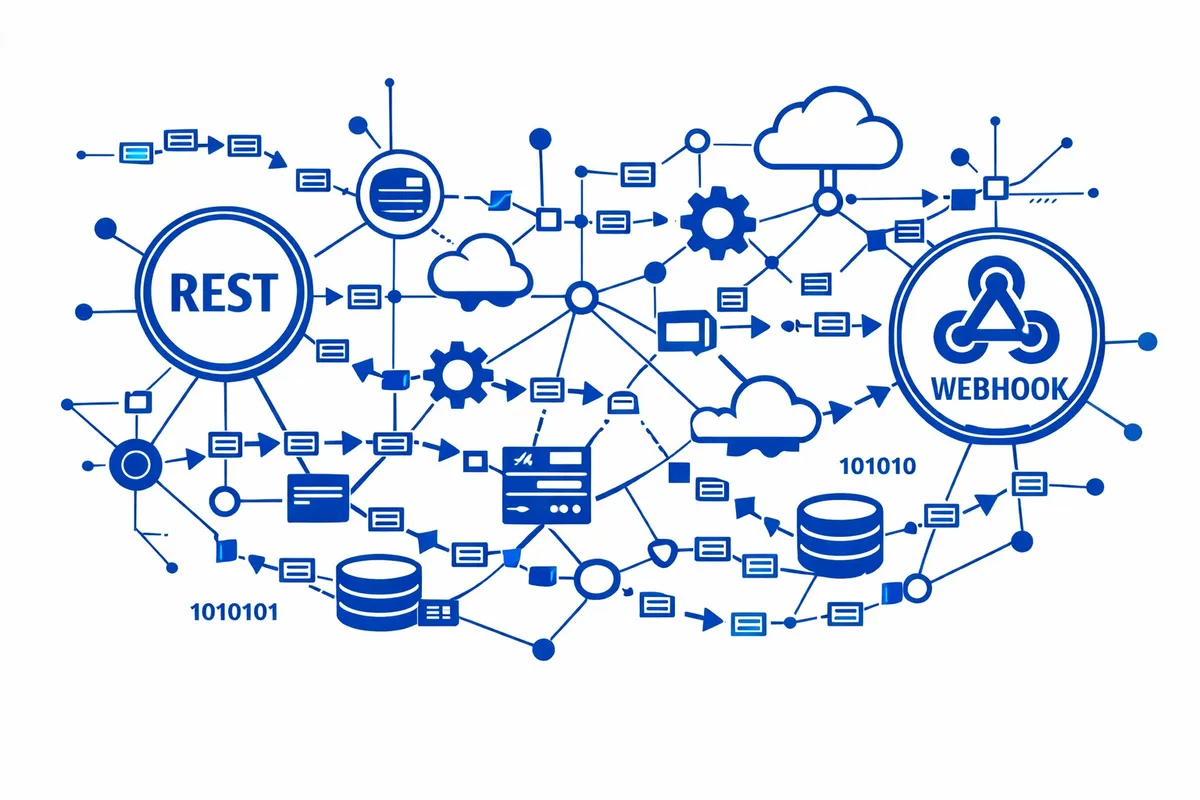
API Development in Uptown service illustration

How We Build API Development for Uptown

We begin every engagement with a thorough review of your current technology stack, your data flows, and the specific points where manual work fills integration gaps. For an Uptown nonprofit, that might mean mapping the data handoffs between a Salesforce instance, a case management system, a grant reporting platform, and a donor communication tool. For a medical office near Weiss, it might mean understanding how patient scheduling data currently reaches the billing system and where the process breaks down. The output of that review is a clear integration map that tells us exactly what to build.

From that map, we design your API with three priorities: correctness, security, and longevity. Correctness means every endpoint does exactly what it documents. Security means the right people and systems can access the right data, and nothing else. Longevity means the API is built with versioning, monitoring, and documentation that keep it maintainable as your needs evolve.

For Uptown organizations working with sensitive data, including healthcare information near Weiss Memorial Hospital and client data at social service organizations around Lawrence Avenue, we design security architecture before writing a single line of code. Role-based access controls, encrypted transmission, audit logging, and appropriate compliance frameworks are structural decisions, not features we add later.

Industries We Serve in Uptown

Nonprofits and social service organizations along the Lawrence and Wilson corridors use APIs to connect their donor databases, case management platforms, and grant reporting systems so staff spend time on their mission rather than on data re-entry.

Healthcare and medical offices near Weiss Memorial Hospital and along Sheridan Road integrate scheduling, patient communication, and billing systems so clinical and administrative staff work from accurate, current information without manual synchronization.

Restaurants and food service businesses on Argyle Street and Broadway connect reservations, delivery aggregators, loyalty programs, and POS systems through API integrations that give owner-operators a real picture of their business in one place.

Music venues and entertainment operators at Aragon Ballroom, Riviera Theatre, and Green Mill use API integrations to connect ticketing, artist management, bar operations, and staff scheduling into coherent operational systems.

Social service and advocacy organizations including immigrant services nonprofits serving the Vietnamese, Cambodian, and East African communities around Argyle and Montrose use APIs to connect client intake, language services coordination, and case tracking platforms.

What to Expect Working With Us

1. Integration audit and requirements mapping. We document your current technology stack, identify every manual handoff between systems, and map the API integrations that eliminate those handoffs. You review and approve the integration map before design begins.

2. API design and security architecture. We design your API endpoints, data model, authentication approach, and security controls. For organizations handling sensitive client or patient data, we walk through compliance requirements explicitly at this stage.

3. Iterative development with working deliverables. We build in milestones with testable endpoints at each stage. You see working software throughout the project, not a single delivery at the end.

4. Documentation, monitoring, and launch. Every API we deliver includes interactive documentation, authentication guides, error references, and monitoring infrastructure. You receive a system that your team can operate and that your integration partners can use without constant support from us.

Frequently Asked Questions

Any Uptown organization running three or more software systems that do not automatically share data is a strong candidate. The most common situations we encounter are nonprofits manually reconciling data between donor management and case management platforms, medical offices synchronizing patient scheduling with billing and EHR systems, and restaurant operators combining POS, delivery, and loyalty data by hand. If your team spends meaningful time each week moving data between systems that should be connected, API development is likely the right investment. The time saved typically covers the development cost within the first year.

Security design happens before implementation, not after. For healthcare clients near Weiss Memorial Hospital, we build HIPAA-compliant APIs with encrypted transmission, role-based access controls limiting data access to authorized personnel, and complete audit trails documenting every data access event. For social service organizations handling sensitive client information, we apply the same architectural discipline: least-privilege access controls, encrypted storage, and documentation that supports your data governance obligations. We work within your existing compliance review processes throughout the engagement.

REST APIs are well-suited to the majority of integration scenarios: connecting two or three systems, exposing data to a mobile application, or building a reporting integration. GraphQL provides advantages when different consuming applications need to query the same underlying data in fundamentally different ways, particularly common in applications where a single data model needs to serve both a mobile interface and an admin dashboard with very different data requirements. For most Uptown small businesses and nonprofits, REST is the cleaner, simpler choice. We recommend based on your actual use case.

A focused API serving two to three integration use cases typically takes four to eight weeks from design to production. More complex APIs with multiple consumer applications, compliance requirements, or legacy system integration take eight to sixteen weeks. We structure the project in milestones so your team has working, testable integrations before the full project is complete. Initial timelines are refined after the discovery and integration mapping phase, which gives both parties a clear picture of scope and effort before any development begins.

Yes. Uptown's nonprofit ecosystem includes many organizations running older donor management systems, legacy case management platforms, and custom databases built years ago by previous technical staff. These systems often lack modern REST APIs but typically expose data through database connections, file exports, or older SOAP web services. We build modern API wrapper layers around legacy systems that create contemporary integration interfaces without requiring replacement of the underlying system. This approach is often the right fit for organizations with limited technology budgets that need integration capability without the cost and risk of replacing core systems.

Every API we deliver includes monitoring infrastructure: structured logging, metrics, and alerting that notify your team and ours when error rates or response times move outside normal parameters. Post-launch, we offer support retainers that cover monitoring review, dependency updates when third-party systems change their interfaces, performance tuning as usage grows, and planned feature additions. For Uptown nonprofits and small businesses that want to own and maintain the API independently, we provide thorough runbooks and documentation designed to support internal management. Learn more about our [API development across Chicago](/chicago/api-development) or explore other [digital services available in Uptown](/chicago/uptown).

Ready to get started in Uptown?

Let's talk about api development for your Uptown business.