How We Build AI Model Training in Uptown
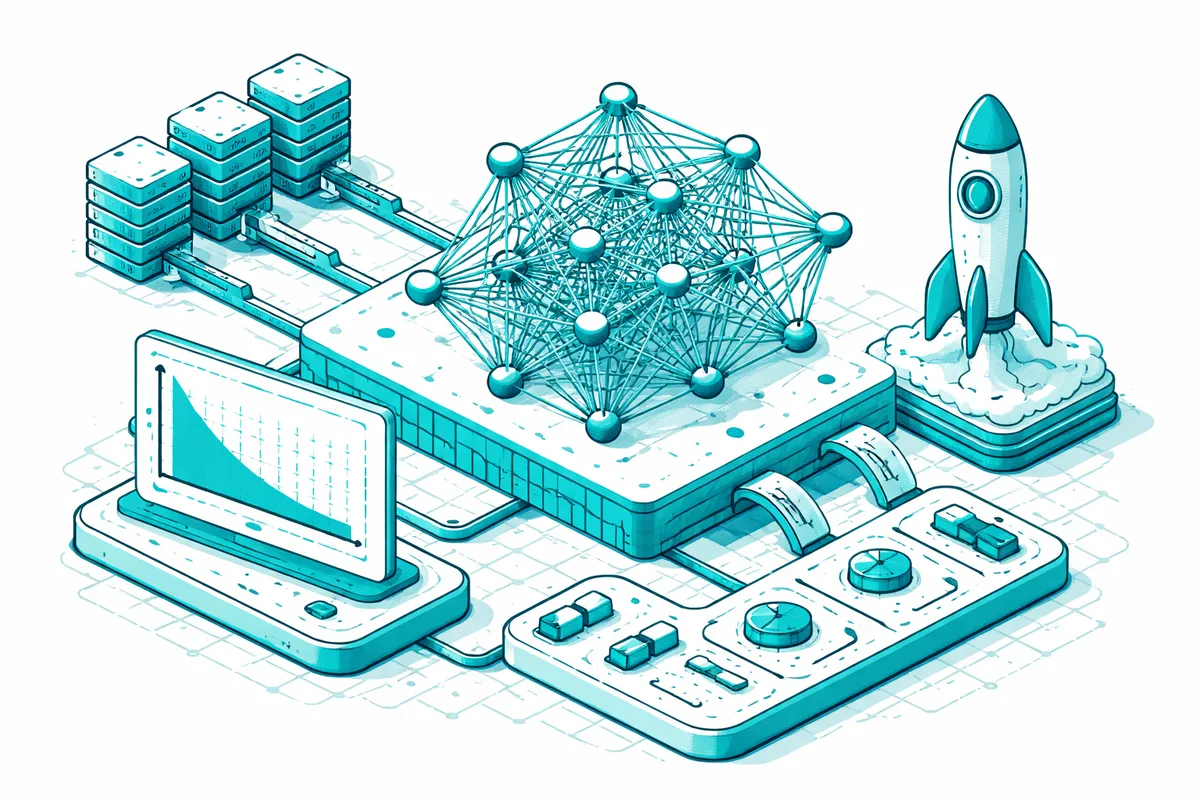
We collect your business data: sales records, event attendance, customer interactions, and seasonal patterns. Then we train models specific to your use case. For a restaurant on Argyle Street, that might be a demand model incorporating cultural holidays, Tet, and other Southeast Asian observances that drive community dining patterns. For an entertainment venue near the Aragon, it could be a ticket demand model based on artist genre, marketing spend, and competing events in the neighborhood and across the city. For retail on Broadway, it might be a customer segmentation model that accounts for the neighborhood's diverse demographic mix. Every model is validated against actual outcomes from your business.
After deployment, we monitor performance and make adjustments as Uptown's population and commercial mix continues evolving. The neighborhood's ongoing development means demand patterns shift over time, and we track those shifts to keep your model calibrated to current conditions.
Industries We Serve in Uptown
Restaurants along Argyle Street train demand models incorporating cultural calendars and neighborhood foot traffic patterns. The models learn that Tet brings a surge in family dining that peaks on specific evenings. They learn that summer weekends bring a different visitor mix than Tuesday lunch, and that each mix has a different ordering pattern and average check. These granular predictions enable accurate prep and staffing decisions that reduce waste while ensuring popular dishes stay available during peak community dining periods.
Entertainment venues near the Aragon Ballroom and Green Mill build event demand and pricing models based on artist data, genre, and historical attendance patterns. The models identify which artist types fill rooms, which nights of the week perform best for which genres, and how competing events in Lincoln Park or Wicker Park affect walk-up versus presale ratios. Venue operators use these predictions to set pricing, plan staffing, and decide when promotional spend is necessary versus when demand will drive itself.
Retail businesses on Broadway analyze purchasing patterns across Uptown's diverse demographics, training models that segment customers by income level, cultural background, and purchasing frequency. The models identify which products serve the established community versus which serve the newer arrivals, enabling inventory decisions that serve both rather than optimizing for one at the expense of the other. Service providers identify high-value client segments within the neighborhood's immigrant and professional communities, scoring leads by conversion likelihood and prioritizing outreach accordingly.
What to Expect Working With Us
1. Discovery and data audit. We review your data sources and map them against Uptown's unique demand drivers: the Argyle Street cultural calendar, the Aragon and Green Mill event schedules, the Lawrence Avenue corridor patterns, and the seasonal character of the lakefront neighborhood. We identify which external signals most affect your specific business and build a plan to incorporate them alongside your internal transaction data.
2. Data preparation and model design. We structure your data with Uptown-specific features encoded: cultural holiday calendars, entertainment venue schedules, demographic segment indicators from customer data, and the seasonal patterns that define each block of the neighborhood. We select the right model architecture and define clear performance benchmarks before training begins.
3. Training, validation, and refinement. We train on your historical data and validate against the varied demand periods Uptown businesses experience: cultural holiday weekends, sold-out venue nights, summer tourist influxes, and quiet winter weekdays. If the model underperforms on any of these scenarios that are critical to your business, we refine before delivery.
4. Deployment and ongoing monitoring. We integrate the model into your workflow and monitor performance through at least one full annual cycle including the summer entertainment season and the fall-into-winter transition that marks a significant shift in Uptown's commercial character. We schedule regular updates as the neighborhood's demographic composition continues evolving.