How We Build AI Integration for Uptown
Integration audit. We audit your current AI usage and identify every point where humans are manually bridging AI tools and business systems. Each bridge point is an integration opportunity. We document the systems, the data that flows between them, and the triggers that should initiate each workflow.
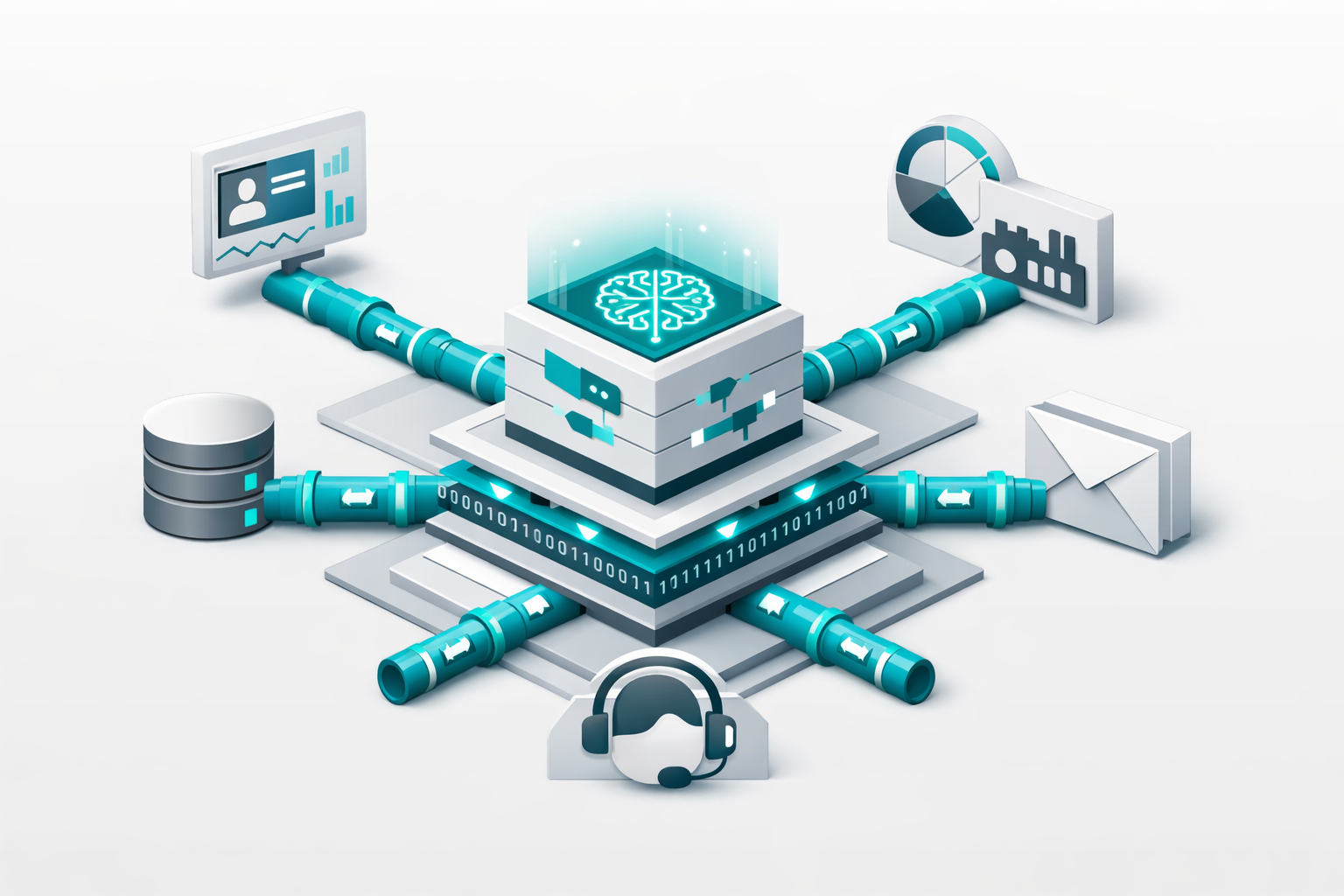
Architecture design. We design the integration architecture: which systems connect, what data flows between them, what triggers the AI, and where the output lands. Integrations use APIs, webhooks, and middleware layers that keep your existing systems intact. For an Argyle Street restaurant, that might mean Toast plus OpenTable plus a CRM plus a loyalty platform. For a clinic, it might mean Athena or Epic plus a patient communication tool plus a scheduling system.
Secure build with regulatory awareness. For HIPAA-regulated clients, integrations use BAAs, encrypted connections, and audit logging at every step. For clients handling sensitive personal data under Illinois privacy law, we build with appropriate data handling at every layer. Security is not an afterthought. It is the first question we answer in architecture.
Testing with realistic data. We test integrations with real-world data volumes and edge cases pulled from your actual transaction history where appropriate. Error handling, retry logic, and fallback behavior are defined before launch so edge cases do not break your operations.
Launch and ongoing monitoring. Integrations go live with monitoring dashboards that track data flow, error rates, and AI performance. We provide documentation and handoff to your team so the systems can be maintained independently. Monthly optimization reviews identify improvement opportunities and new integration candidates.
Industries We Serve in Uptown
Restaurants on Argyle Street and Broadway. Pho 777, Sun Wah BBQ, Demera Ethiopian, Bo Bi Sandwiches, and the broader food scene use integration to connect AI into Toast, Square, OpenTable, DoorDash, and Grubhub. Use cases include AI-drafted menu descriptions pushed into POS and online ordering, review response automation across Yelp and Google, loyalty campaign personalization driven by transaction history, and inventory alerts informed by AI demand forecasting.
Music venues on Lawrence Avenue. The Aragon Ballroom, Riviera Theatre, Green Mill, and the restoration effort around the Uptown Theatre use integration to connect AI into ticketing platforms (Ticketmaster, DICE, Eventbrite), email marketing (Mailchimp, Klaviyo), and fan databases. AI-generated show descriptions flow into ticketing pages. AI-drafted fan emails flow into the email platform. Show-specific remarketing audiences are built automatically from ticket purchase and email engagement data.
Nonprofits along Wilson and Broadway. Heartland Alliance, Asian Americans Advancing Justice Chicago, and smaller community organizations use integration to connect AI into donor CRMs (Salesforce Nonprofit Cloud, Bloomerang, DonorPerfect), grant management systems, and email platforms. AI drafts donor communications triggered by giving history. AI processes grant applications into summaries pushed into the grant tracking system. AI enriches prospect records with publicly available research pushed directly into the CRM.
Clinics near Weiss Memorial Hospital. Primary care, specialty practices, and mental health providers use integration to connect AI into EMR systems (Epic, Athena, Cerner, eClinicalWorks) with full HIPAA compliance. AI-assisted clinical documentation flows directly into the note. AI-drafted patient communication flows into secure messaging. AI-generated referral letters draft inside the EMR ready for provider review. Every integration point uses BAAs and appropriate encryption.
Property management in the Sheridan Road corridor. Residential property managers use integration to connect AI into property management systems (AppFolio, Buildium, Yardi). AI-drafted leasing emails trigger from new inquiries. AI-generated maintenance request categorization flows into the work order system. AI-written renewal communication drafts before lease expiration.
Professional services with Uptown offices. Attorneys, accountants, and consultants use integration to connect AI into practice management tools, document management, and client communication platforms. AI-drafted document summaries flow into matter records. AI-generated client communication drafts into the email system ready for review.
What to Expect Working With Us
1. Integration audit. We map where humans are manually bridging AI and business systems in your current workflow. Each bridge point is documented, scored by impact, and evaluated for integration complexity.
2. Architecture and design. We design the integration architecture: systems, data flows, triggers, outputs, and error handling. Security and regulatory considerations are built in from the start, not layered on later. You approve the architecture before build begins.
3. Build, test, and launch. Integrations are built with error handling, logging, and monitoring. Testing uses realistic data and edge cases. Launch happens on a controlled timeline with rollback procedures defined.
4. Monitoring and optimization. Post-launch, integrations are monitored for error rates, data flow volume, and AI performance. Monthly reviews identify optimization opportunities and new integration candidates as your operations evolve.