How We Build AI Governance for Uptown
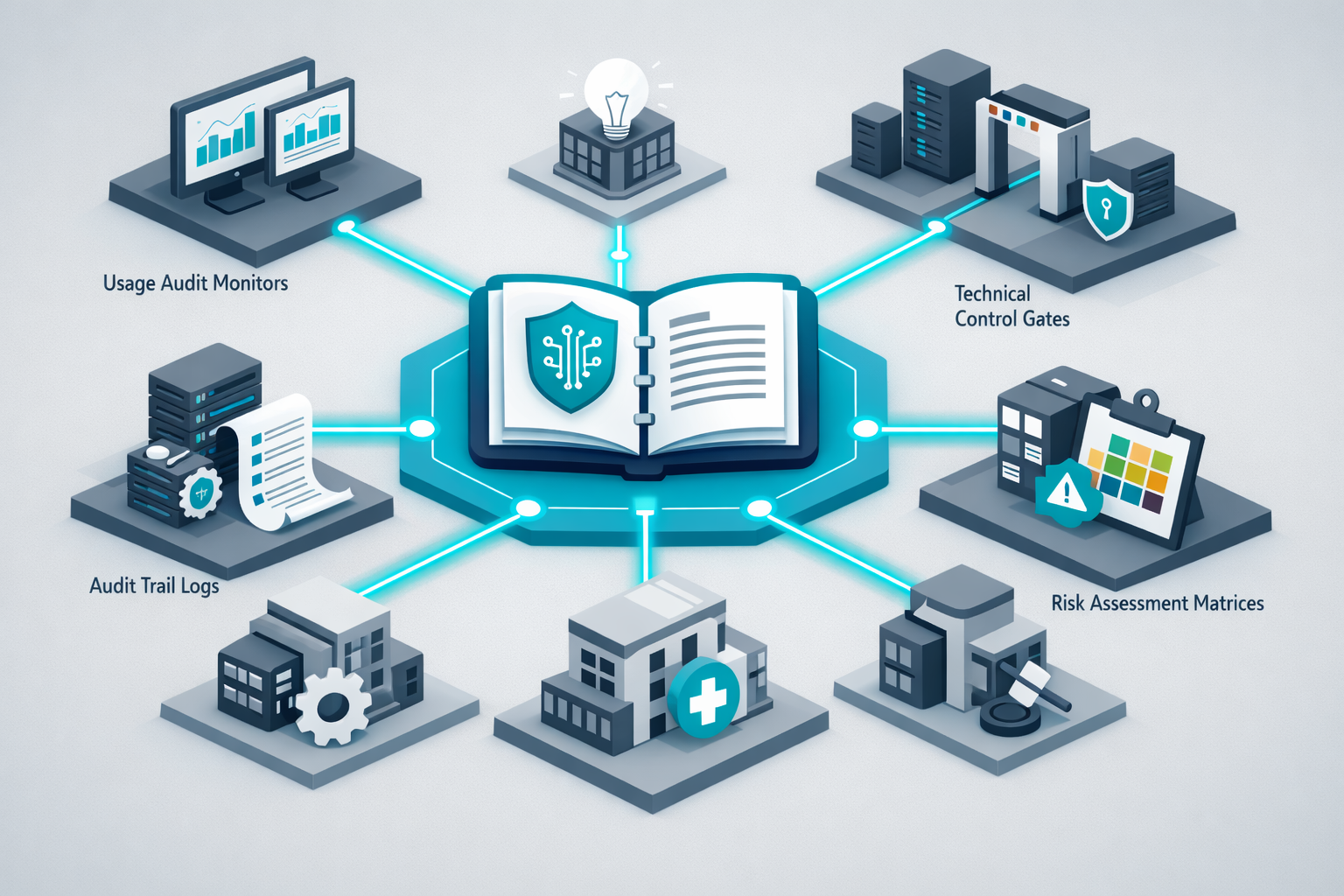
AI usage audit. We start by mapping what AI tools your team is actually using, by whom, with what data, and for what purposes. This audit is almost always revelatory. For most Uptown organizations, leadership has never seen the full picture of AI adoption. The audit is the factual foundation for every governance decision that follows.
Risk assessment tailored to your reality. We map each AI use case to the regulatory requirements, contractual obligations, and funder expectations that apply to your organization. A clinic near Weiss gets a risk assessment that foregrounds HIPAA and Illinois state health law. A Broadway nonprofit gets one that foregrounds funder data handling requirements and Illinois privacy law. A restaurant group on Argyle gets one focused on employee data and customer information handling under Illinois consumer protection law.
Policy design that fits your organization. We write AI acceptable use policies, data classification rules, output review requirements, and vendor assessment criteria that are enforceable and practical. Policies written as aspirational documents get ignored. Policies written to match how your team actually works get followed. We structure them so a staff member can quickly answer the questions "Can I use this tool?" and "Can I put this data in it?" without reading twenty pages.
Technical controls where they matter. Policies without enforcement are suggestions. For organizations handling regulated data, we implement data loss prevention rules that prevent sensitive information from reaching unauthorized AI tools, approved tool whitelists, access controls, and logging infrastructure that creates audit trails. For smaller organizations where technical controls are impractical, we focus on procedural controls, training, and periodic review.
Training and governance committee. We train your team on the framework and help you stand up a governance function appropriate to your size. For a large nonprofit, that might be a committee that meets quarterly. For a small clinic or restaurant group, it might be a single designated AI steward with a defined escalation path. The structure matches the organization.
Industries We Serve in Uptown
Healthcare and clinics near Weiss Memorial Hospital. Primary care practices, specialty providers, mental health practices, and allied health organizations in the corridor need AI governance that addresses HIPAA, Section 1557, and Illinois state health law. We build frameworks that allow productive AI use for clinical documentation, patient communication drafting, and administrative workflows while protecting PHI at every integration point.
Nonprofits and social service agencies. Heartland Alliance, Asian Americans Advancing Justice Chicago, and the broader network of community-based organizations serving Uptown's immigrant and vulnerable populations need governance that addresses client data protection, donor information handling, and funder requirements. Grant applications increasingly ask for AI policies, and having one is becoming a prerequisite for institutional funding.
Music venues and entertainment operators. The Aragon Ballroom, Riviera Theatre, Green Mill, and the restoration team working on the Uptown Theatre handle customer data through ticketing platforms, membership databases, and fan engagement tools. AI governance ensures that fan data is not being processed through unapproved tools that retain it beyond the venue's operational need.
Legal and professional services with Uptown offices. Attorneys, accountants, and consultants working from Uptown locations face profession-specific AI governance requirements around privilege, confidentiality, and professional responsibility. We build frameworks that address these specific concerns alongside general data handling.
Restaurants and food service operators. Restaurant groups on Argyle Street, Broadway, and Lawrence Avenue handle customer data through loyalty programs, reservation systems, delivery platforms, and marketing tools. AI usage in marketing, operations, and HR creates risks that governance makes visible and manageable.
Educational and adult learning organizations. Adult education providers, GED programs, and workforce training nonprofits serving Uptown's immigrant communities face FERPA-adjacent requirements and funder data protection expectations. AI governance addresses student data handling in tools used for curriculum, communication, and assessment.
What to Expect Working With Us
1. AI usage audit. We map what AI tools are being used, by whom, with what data, and for what purposes. Most clients find this first phase revealing. Leadership sees the full picture of adoption for the first time.
2. Risk assessment and policy design. We map each use case to applicable regulations and organizational risk tolerances. Policies are drafted to be enforceable and practical, not aspirational. You review and refine the policies with us before they are finalized.
3. Technical controls implementation where applicable. For regulated organizations, we implement data loss prevention, approved tool whitelists, access controls, and audit logging. For smaller organizations, we focus on procedural controls and training.
4. Training, documentation, and governance structure. Staff training on the new framework. Published policies that can be shared with funders, clients, or regulators who ask. Governance structure appropriate to your size, whether a formal committee or a designated steward with defined responsibilities.