How We Build Supply Chain Automation for Ukrainian Village
Supply chain automation starts with an inventory audit, not a software demonstration. We document every product category you carry, every vendor you buy from, the lead times and minimum order quantities for each, and the current reorder logic, whether it is weekly walk-through, gut feeling, or a staff member's personal tracking system. The audit reveals the actual process, which is usually a combination of manual checks and informal signals rather than any formal system.
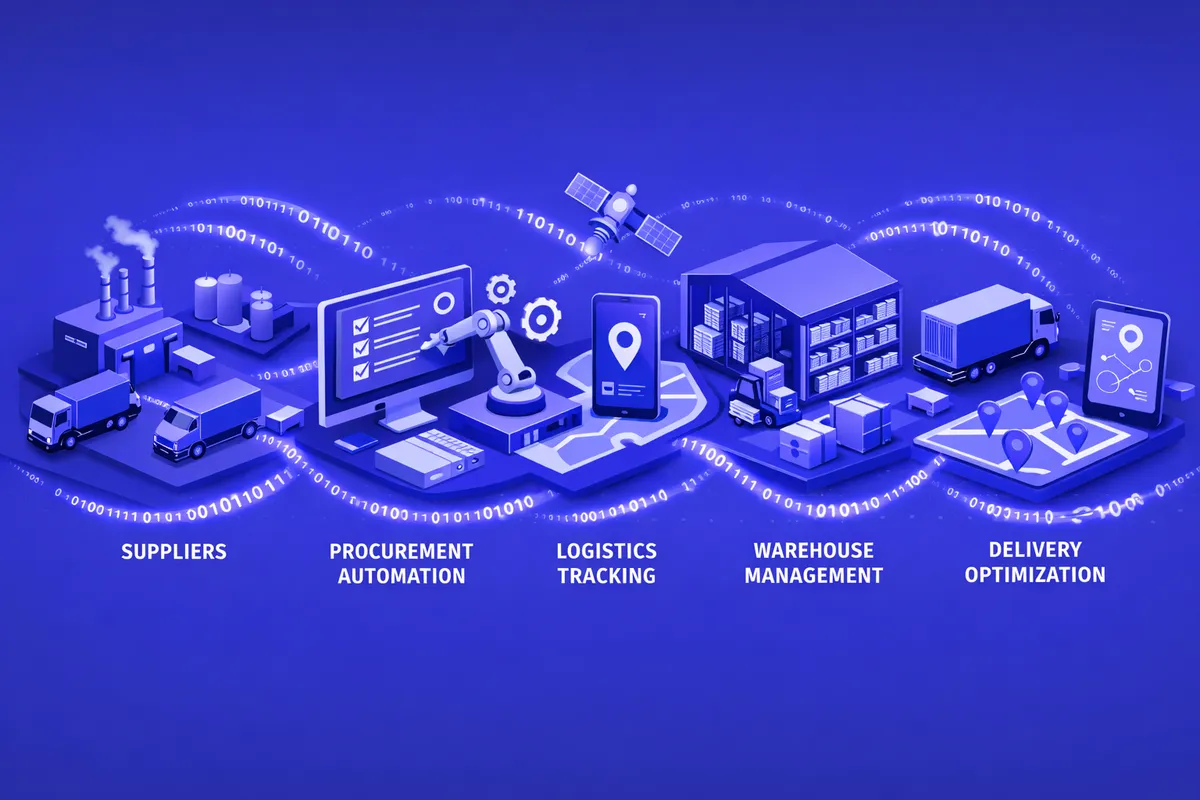
From the audit, we build the automation architecture. For most Ukrainian Village businesses, this involves three components: an inventory tracking layer that connects to the POS or retail platform to track consumption in real time, a par-level management layer that defines minimum stock thresholds for each item category, and a reorder trigger layer that generates purchase orders or vendor notifications when stock drops to the par level.
The vendor communication format matters significantly in a neighborhood where many supplier relationships are personal rather than purely transactional. A Division Street restaurant whose produce vendor delivers based on a text message does not need an automated EDI purchase order system. They need a daily summary notification that shows which items are below par and what quantity to order, delivered to the manager's phone in the morning before the vendor's order cutoff. We build to the actual vendor relationship, not to an enterprise procurement standard.
We configure the automation to flag exceptions that require human judgment: unusual depletion patterns that might indicate waste or theft, vendor items that have been out of stock for multiple consecutive reorder cycles, or seasonal inventory categories where standard par levels need to be adjusted before a high-demand period.
Industries We Serve in Ukrainian Village
Independent coffee shops and specialty roasters along Chicago Avenue manage green coffee procurement, milk and dairy orders, alternative milk inventories, and retail bag stock simultaneously. A roaster keeping consistent green coffee inventory across four origins with different harvest cycles and international lead times benefits significantly from an automated procurement calendar. We build sourcing calendars that account for actual vessel and freight timelines so reorder triggers fire weeks before the inventory runs short, not days.
Full-service restaurants and bars on Division Street operate with some of the most perishable and time-sensitive supply chains in any business category. Daily produce orders, weekly protein deliveries, and liquor and wine purchasing all have different lead times and minimum order structures. We automate the consumption tracking for each category and build reorder alerts that fire at the right lead time for each vendor, so the manager is not doing mental calculations about whether there is enough lamb for the weekend service.
Boutique retailers and gift shops near Hoyne Avenue and Damen Avenue work with independent makers whose production cycles require advance booking. Supply chain automation for boutique retail tracks sell-through velocity by product and sends alerts when a fast-moving item is approaching the point where a reorder should be placed to arrive before the stockout rather than after. For seasonal and limited-edition items, the automation tracks production schedule commitments alongside inventory levels.
Yoga and fitness studios near Smith Park that carry retail supplements, resistance bands, yoga mats, and branded merchandise benefit from inventory automation that tracks retail sell-through separately from core business metrics. A studio that restocks its retail shelves based on a monthly visual count is leaving money on the table compared to one that reorders automatically when sell-through velocity indicates a restocking need two weeks out.
Specialty food retailers and importers connected to Ukrainian Village's cultural food traditions, including those selling specialty Eastern European ingredients and imports near the Ukrainian National Museum, manage a unique supply chain that involves international importers, domestic distributors, and small-batch producers with irregular availability. Automation that tracks both domestic and import lead times protects against the stockouts that typically emerge when a seasonal product from a small importer sells out faster than expected.
Salons and personal care businesses throughout Ukrainian Village order professional-use products on irregular cycles that are driven by demand rather than a fixed schedule. Automating par levels for professional-use inventory and retail products sold in the salon reduces the stockout events that require emergency ordering at retail prices while also reducing overstock that ties up cash in slow-moving SKUs.
What to Expect Working With Us
1. Inventory and vendor audit. We spend the first week documenting your complete inventory structure: every SKU or category, every vendor, every lead time, and every reorder point that currently exists in your head or on a whiteboard. For a Division Street restaurant, this audit often surfaces twenty to thirty inconsistencies between how the current process works in theory and how it works in practice on a given Tuesday.
2. Par level development and automation build. From the audit, we work with you to establish defensible par levels for every inventory category and build the automation that tracks against those levels. For Ukrainian Village seasonal businesses, we build seasonal par level adjustments that activate automatically before known high-demand periods, including the spring community celebration season and the summer outdoor dining and retail season.
3. Vendor communication integration. We connect the automation to your actual vendor communication channels. For businesses with formal ordering portals through their distributors, we build direct integration. For businesses ordering by text or email from local vendors, we build automated draft notifications that the manager reviews and sends in under two minutes.
4. Monitoring, exception reporting, and quarterly reviews. The automation runs continuously, but the exception reports require human review. We configure a daily or weekly exception summary that shows items below par, unusual depletion events, and vendor items with supply reliability issues. Quarterly, we review par levels against actual consumption data and adjust for any changes in demand or business model.