How We Build Multi-Agent Systems for Ukrainian Village
Our process begins with mapping your complete workflow end-to-end. Rather than designing individual agents, we design a system where agents work together. We identify the key workflow steps, decision points, and handoffs between team members. We interview team members about what information they need to do their job, what decisions they make, and what communication they send to other teams. This comprehensive understanding enables us to design agents that coordinate the entire workflow.
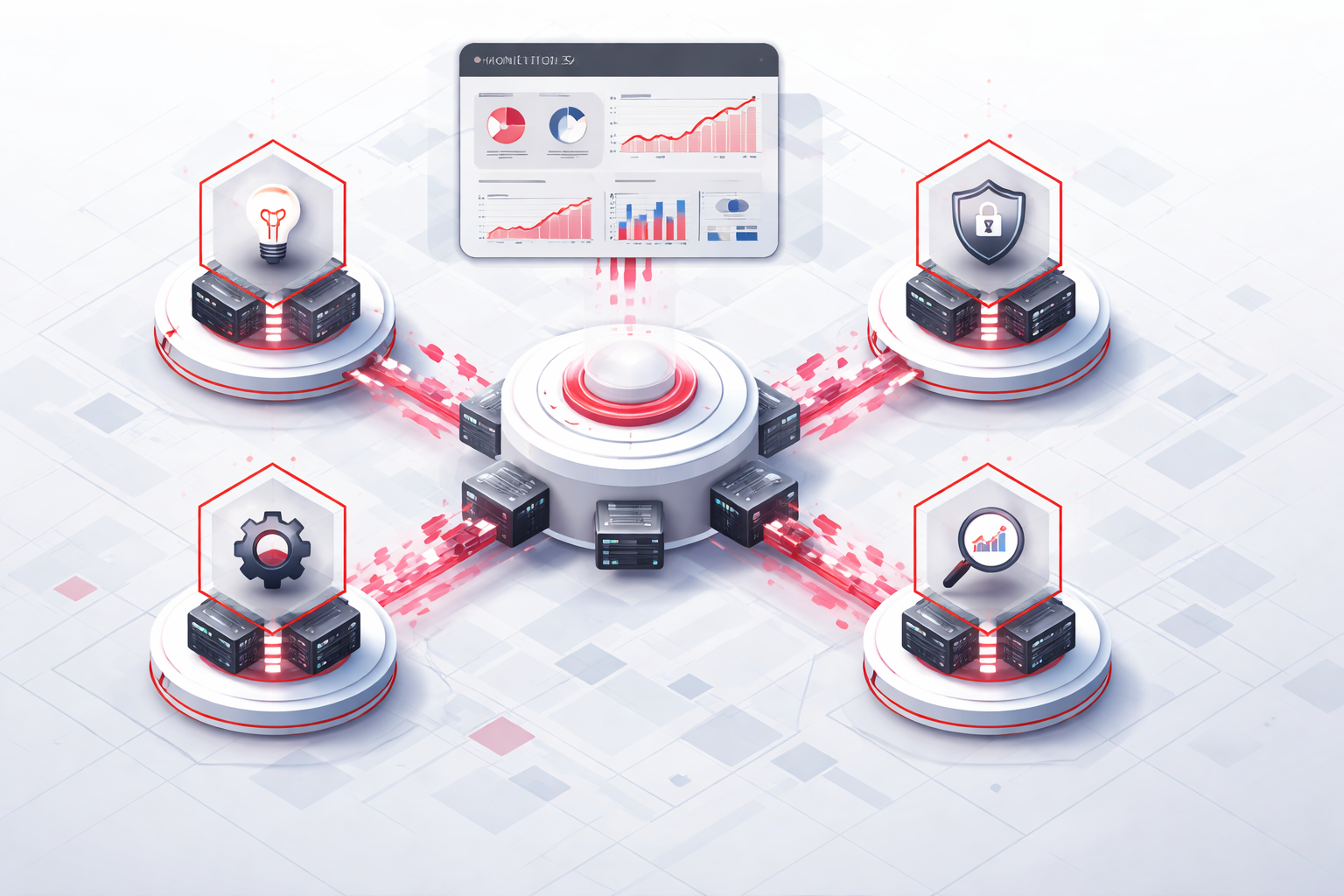
We then design the multi-agent system architecture. Implementation includes three components:
Agent specialization and responsibility. We define what each agent is responsible for and what domain knowledge it needs. For a design studio, we might define a project setup agent responsible for creating all the infrastructure a new project needs, a creative agent responsible for design execution, an account agent responsible for client communication, and a finance agent responsible for time tracking and billing. Each agent becomes an expert in its domain.
Agent coordination and communication. We define how agents communicate with each other and what information they share. Agents communicate through structured messages and shared system records, not through unstructured email. When the creative agent completes a design deliverable, it notifies the account agent that the deliverable is ready for client review, updates the project status, and alerts the finance agent that hours should be recorded. This structured communication prevents information loss and ensures all agents stay in sync.
Decision authority and escalation. We define what decisions each agent can make independently and what decisions require human review. The project setup agent might independently assign junior team members but escalate assignment of senior resources to the creative director. The account agent might independently send routine status updates but escalate scope changes to the project manager. This structure ensures automation handles routine decisions while keeping humans in control of important decisions.
Industries We Serve in Ukrainian Village
Design studios and creative services use multi-agent systems to coordinate from initial consultation through project delivery. Agents handle project setup, resource assignment, timeline management, client communication, and billing. The creative director focuses on creative direction and quality. Agents handle operational coordination.
Coffee roasters and specialty food businesses use multi-agent systems to coordinate between sourcing, roasting, inventory, and sales. Sourcing agents manage supplier relationships and inventory ordering. Inventory agents track stock across roastery, retail, and wholesale channels. Sales agents notify sourcing when demand changes so purchasing adjusts. Roasting agents schedule production based on inventory and demand.
Independent boutiques use multi-agent systems to coordinate between merchandising, physical store, online store, and inventory. Merchandising agents recommend inventory based on sales trends. Store operations agents manage physical store inventory and staffing. E-commerce agents manage online store operations. Inventory agents keep stock synchronized across channels.
Salons and wellness studios use multi-agent systems to coordinate appointments, client communication, staff scheduling, and service delivery. Scheduling agents manage calendar and appointment flow. Client agents send appointment reminders and handle changes. Staff agents optimize scheduling based on skill requirements and capacity. Finance agents track billable services.
Local services and consultancies use multi-agent systems to coordinate from initial client inquiry through project delivery. Agents handle lead follow-up, proposal generation, resource assignment, project execution, and billing.
Production and artisan businesses use multi-agent systems to coordinate between orders, production, quality control, and shipping. Order agents process customer orders. Production agents schedule manufacturing. Quality agents monitor output. Shipping agents coordinate fulfillment.
What to Expect Working With Us
1. End-to-end workflow discovery. We map your complete workflows end-to-end rather than looking at individual tasks in isolation. We interview team members at each stage to understand what they need, what they produce, and what information they communicate to other teams. We identify the key coordination points where information must flow between teams. This phase takes 2 to 3 weeks and results in a detailed map of your entire workflow and where coordination currently happens manually.
2. Multi-agent system design. We design a system of coordinated agents rather than individual automation agents. We define what each agent is responsible for, what domain knowledge it needs, how agents communicate, and what decisions require human authority. We create detailed agent workflows that show how agents coordinate. This phase takes 1 to 2 weeks.
3. Agent implementation and integration. We implement each agent and integrate them with your systems. Unlike individual agents, multi-agent systems require careful attention to communication between agents and data consistency across agents. We set up shared data stores and structured communication protocols so agents stay synchronized. This phase typically takes 4 to 8 weeks depending on system complexity and number of agents.
4. Orchestration and deployment. We deploy the multi-agent system and monitor how agents coordinate in real operation. We identify where agents struggle to coordinate and refine their communication. We gradually increase agent autonomy as they prove they can coordinate reliably. Ongoing optimization includes refining decision logic and expanding agent capabilities.