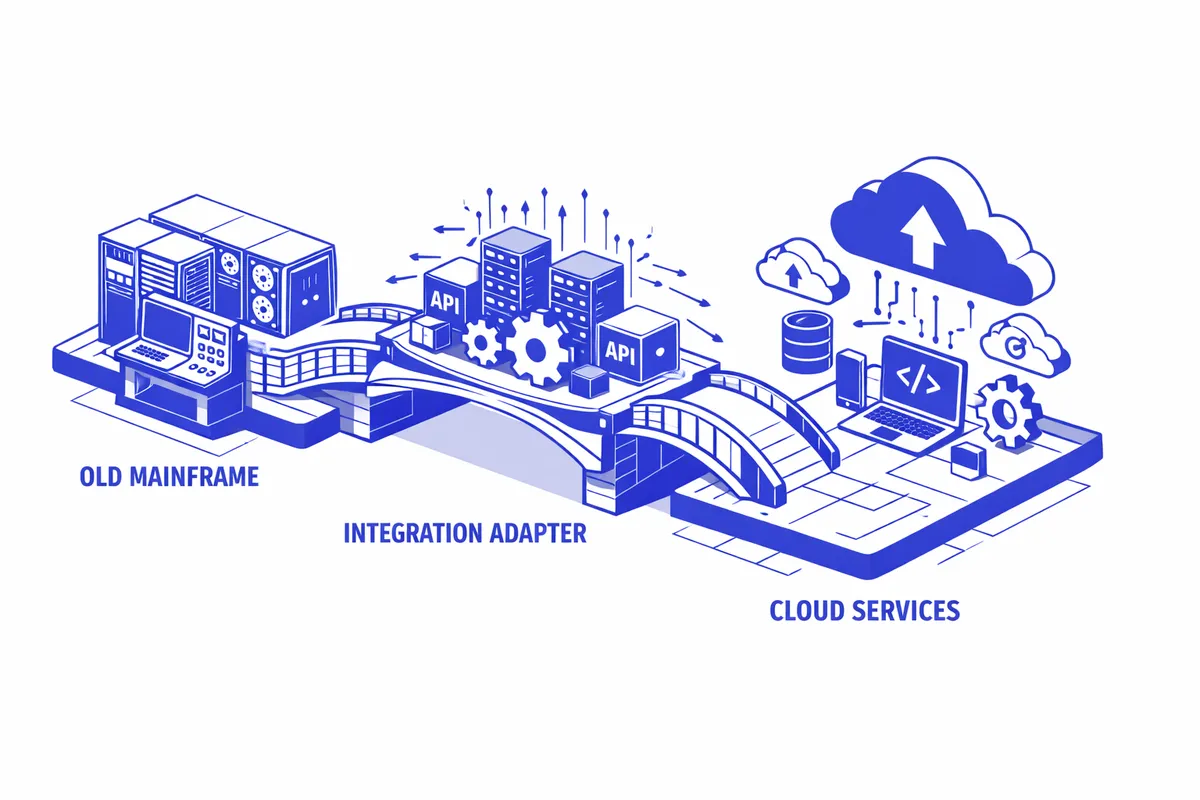
How We Modernize Legacy Systems for Ukrainian Village
Our starting point for Ukrainian Village business clients is a direct conversation with the owner about what the system does, what they value in it, and what specific limitations have been causing problems. We do not assume the legacy system is entirely wrong. We assess what works, what does not, and what the minimum viable replacement looks like for this particular business.
For accounting software migrations, the most important asset is the historical transaction record. Years of invoices, vendor payments, and bank reconciliations are the business's financial history, and they need to migrate to the new system with integrity so the accountant can pull historical reports without switching between old and new systems. We handle the QuickBooks-to-cloud or Sage-to-modern migration as a complete historical transfer, not a fresh start with zero balance.
For POS migrations in Ukrainian Village restaurants and specialty retail, we prioritize the customer history and any loyalty data that represents the business's relationship with repeat customers. A catering company's event history is part of its sales relationship with each client. A specialty food retailer's customer preference data is part of the service it provides. We migrate that data rather than treating it as disposable.
For custom legacy applications, we reverse-engineer the data model from whatever documentation or database access exists and design a replacement strategy that gives the business a modern alternative without losing the operational history built in the old system.
Industries We Serve in Ukrainian Village
Catering and Event Businesses: Catering companies on Chicago Avenue and Division Street manage event booking, client histories, invoice records, and vendor relationships in legacy accounting and booking systems. We migrate that operational data to modern event management platforms with online payment integration and client portal capabilities.
Specialty Food and Import Businesses: Specialty food retailers and importers near Smith Park manage inventory, supplier relationships, and customer order history in legacy inventory and accounting systems. We migrate that data to modern platforms with the supplier EDI integration and e-commerce connectivity these businesses need.
Restaurants and Bars: Independent restaurants along Division Street and Chicago Avenue manage POS data, customer histories, and operational records in legacy systems. We migrate that data to modern platforms with delivery integration and the online reservation capabilities customers expect.
Boutique Retail: Independent clothing and home goods boutiques throughout Ukrainian Village manage inventory and customer purchase history in legacy retail systems. We migrate that data to modern platforms that support online selling alongside in-store operations.
Coffee Shops and Cafes: The independent coffee shops that have made Ukrainian Village a destination along Damen Avenue and Western Avenue manage customer loyalty and operational data in legacy or fragmented systems. We connect or migrate those systems to modern retail platforms.
Cultural Organizations: The Ukrainian National Museum and the cultural organizations serving Ukrainian Village's Eastern European community manage membership records, donation histories, and program data in legacy systems. We migrate those records to modern platforms that these organizations can operate independently.
What to Expect Working With Us
1. Owner-Direct System Interview: We start with the business owner, in whatever language they prefer for technical discussions. We document what the system does, what the owner values, and what the specific problems are that prompted the modernization consideration. We do not impose a solution before understanding the situation.
2. Data Rescue Before Migration: For Ukrainian Village businesses with aging hardware, we prioritize extracting and securing a current backup of all business data before any migration work begins. The data is protected from hardware failure before we touch any part of the system.
3. Historical Record Migration: We migrate the full operational history, not just current records. For accounting systems, this means the complete transaction history that supports multi-year tax and financial reporting. For POS and CRM systems, this means the customer and event records that represent the business's relationship history.
4. Accountant and Owner Parallel Validation: We run the new accounting system alongside the legacy system for at least 30 days. The owner's accountant reviews key reports from both systems and confirms the new system is producing accurate results before the legacy system is retired.