How We Build Custom ERP for Ukrainian Village
Discovery for a Ukrainian Village engagement starts with the owner and the key operational staff who manage the work. For a design studio, this means mapping the full project lifecycle from client proposal through delivery and invoicing, identifying every system currently used and every manual step required to connect them. For a boutique retailer, this means understanding the inventory flow across channels, the event calendar logistics, and the financial reporting needs of the owner or management team.
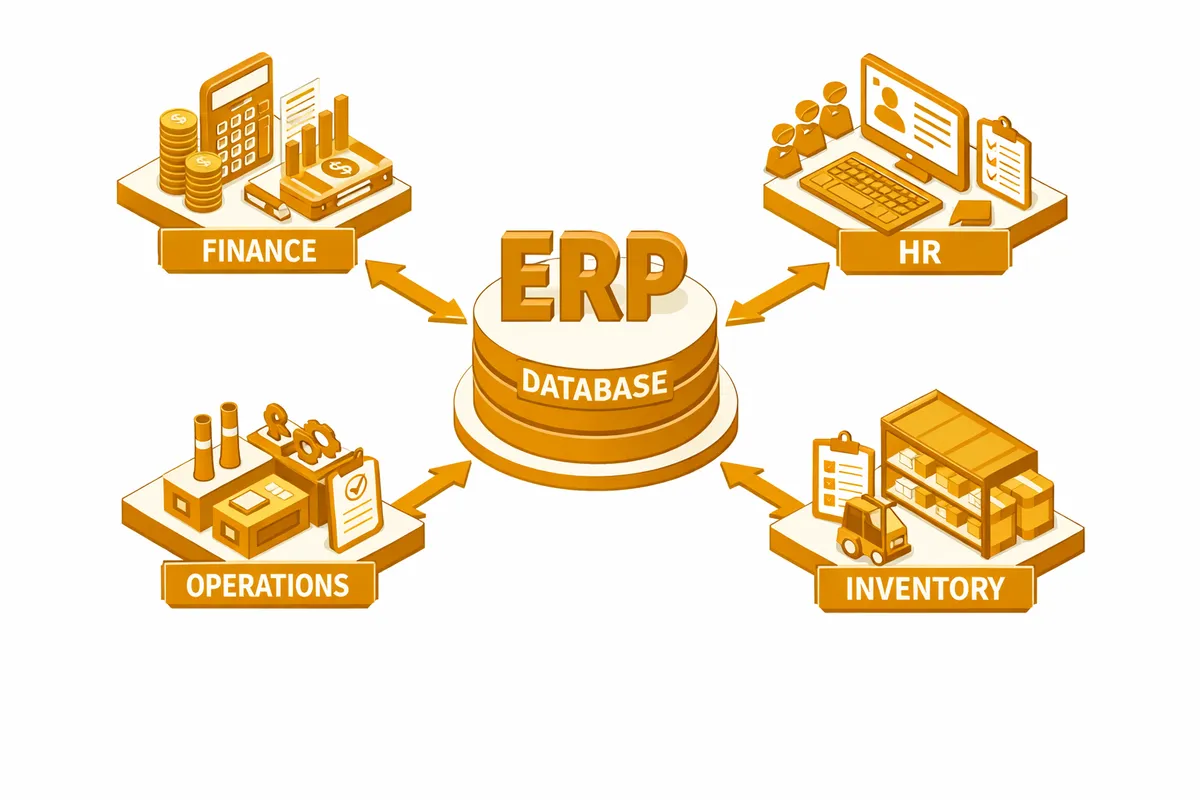
From discovery, we design the module structure that reflects the actual operational model. A Ukrainian Village design studio ERP might include project management with budget tracking, time tracking connected to project costs, client billing and invoice management, contractor and freelancer management, and financial reporting that gives studio leadership real-time margin visibility. A boutique retail ERP might include unified inventory management across physical, online, and pop-up channels, customer relationship management, event logistics management, and financial reporting separated by channel.
Implementation is phased, with the highest-impact modules live within twelve to eighteen weeks. Ukrainian Village's independent businesses typically see measurable operational improvement from the first phase before subsequent phases add additional capabilities.
Industries We Serve in Ukrainian Village
Design studios and creative agencies on Damen Avenue and Hoyne Avenue managing project-based client work need ERP that connects project management to time tracking, time tracking to billing, and billing to financial reporting, giving principals a real-time view of project margin, team utilization, and pipeline health without manual reconciliation.
Boutique retailers on Division Street and Chicago Avenue managing physical, online, and event channels need ERP that unifies inventory management across all channels, tracks customer purchase history and preferences, manages the logistics of pop-up events and trunk shows, and produces channel-level financial reporting without requiring a separate system for each revenue stream.
Restaurants and bars near Smith Park and Eckhart Park managing dining room, bar, and event operations need ERP that separates the revenue and cost accounting for each operation, manages event booking and catering logistics, and produces management-level reporting that shows the true margin of the full business rather than just total revenue.
Independent coffee shops on Western Avenue and Division Street that have grown beyond a single location or added wholesale or subscription channels need ERP that manages multi-channel order management, wholesale account billing, subscription logistics, and financial reporting that reflects the economics of each revenue stream separately.
Yoga and fitness studios serving the Ukrainian Village community need ERP that manages class scheduling and membership management, tracks instructor compensation and scheduling, handles retail product lines sold alongside memberships, and gives studio owners financial reporting that shows the margin on each service category.
Boutique professional service firms, including the accountants, consultants, and independent advisors who have established practices in Ukrainian Village to serve the neighborhood's creative and professional community, need ERP that connects client engagement management to billing, tracks project time and expenses, and gives principals the financial reporting they need to manage a growing practice.
What to Expect Working With Us
1. Discovery and scope. Two to three weeks of structured interviews with ownership and the key operational team. We map every workflow, every tool currently in use, and every manual step required to connect separate systems before designing anything.
2. Module design and approval. We design the module structure, data model, integration architecture, and phased delivery plan, reflecting the specific operational model of your business. You review and approve before any development begins.
3. Phased implementation. Highest-impact modules go live first, typically within twelve to eighteen weeks for Ukrainian Village businesses. Subsequent phases add capabilities without disrupting the operational foundation already built.
4. Launch support and ongoing maintenance. Post-launch monitoring, operational validation, and a warranty period for any issues. Optional maintenance retainers cover feature additions as the business adds team members, revenue channels, or new service offerings.