How We Build Brand Identity for Ukrainian Village
We open with a positioning session rather than jumping to visual explorations. Before any logos are sketched, we establish the business's specific claim: what it does, who it is for, what it costs, and what it is not. For a Ukrainian Village business, this includes a direct conversation about where the business sits on the neighborhood's cultural spectrum. A deli near the Ukrainian National Museum and a design studio off Oakley Avenue have completely different positioning, and the identity has to reflect that from the first mark.
From positioning, we develop a visual direction: an overall aesthetic approach with initial references and rationale before spending time on execution. This step prevents the most common waste in identity projects, which is producing a polished logo that is wrong in direction.
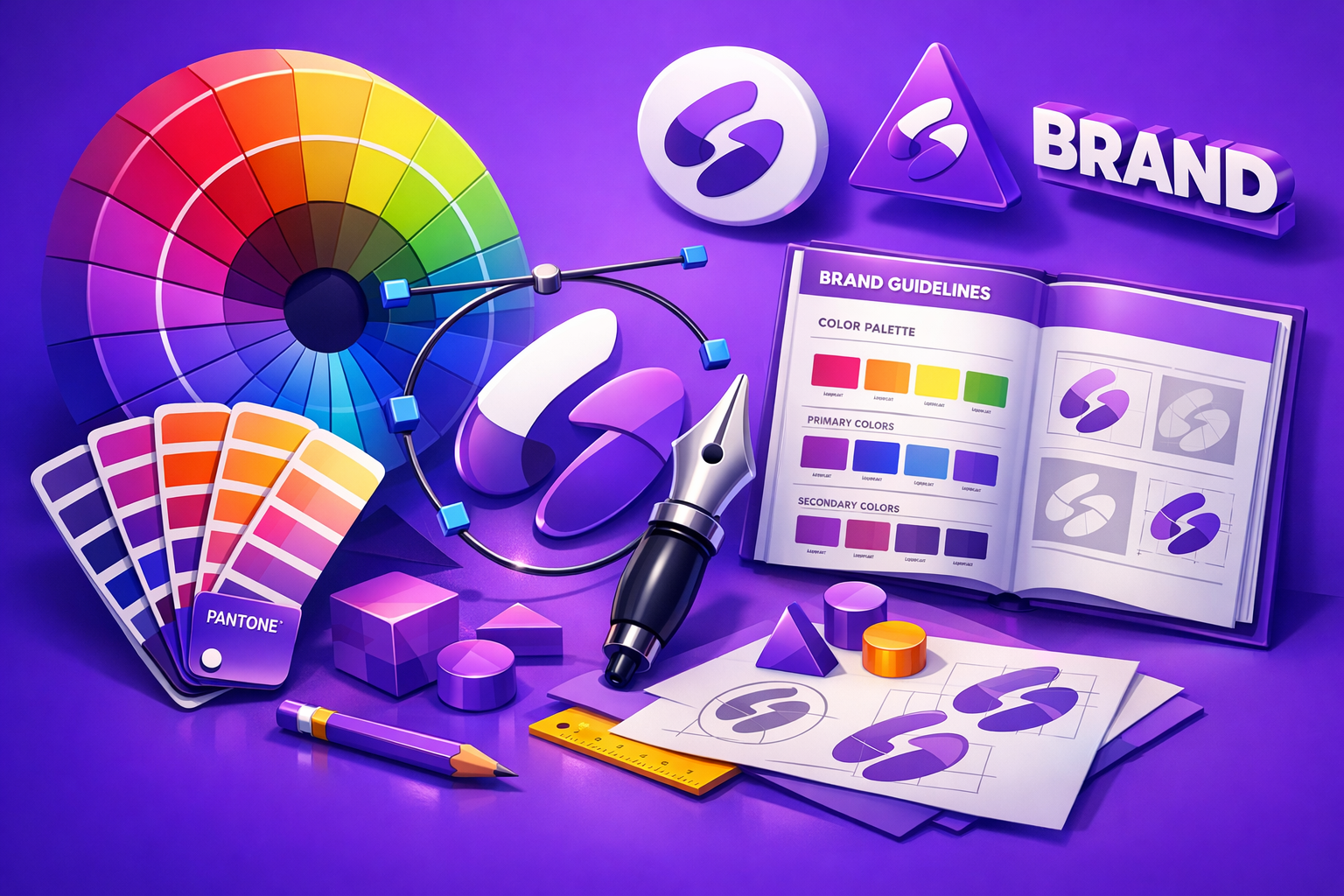
With direction approved, we produce the full identity system: primary logo in clean vector format, alternate and icon variants for contexts where the full logo does not fit, a color palette with all production values specified, and a typography system with primary and secondary typefaces. Every Ukrainian Village business gets a one-page brand reference document they can share with vendors, contractors, and new employees without requiring them to ask questions.
Industries We Serve in Ukrainian Village
Boutique and specialty retail shops near Chicago Avenue and Damen Avenue operate in a neighborhood where the shopping decision includes how the brand makes the customer feel. Logo quality and packaging design are part of the product. We build identities that work across physical and digital touchpoints without requiring constant designer involvement for routine materials.
Food and beverage businesses from Ukrainian delis along Western Avenue to the newer cafes and natural wine spots on Chicago Avenue need identities that communicate the right register: heritage and warmth for traditional spots, understated confidence for the wine-forward and specialty coffee operators. We do not apply a single aesthetic template to all food businesses.
Independent creative professionals including photographers, architects, and consultants who operate their practices out of Ukrainian Village need identities that position them as competent, specific, and worth their rates. Many creative professionals in the neighborhood have strong visual taste but have never formalized their own identity. We bridge that gap.
Health and wellness practices including therapists, acupuncturists, and bodywork practitioners who have studios in the neighborhood's residential and mixed-use buildings need identities that signal safety, competence, and care without clinical sterility. The aesthetic has to fit the specific practice and the specific clientele.
Real estate and property services based on Western Avenue or along Chicago Avenue need professional visual identity that holds up in comparative contexts: on Zillow next to larger brokerages, on Google against established firms, and on signage visible from the street in a neighborhood where people notice details.
Community and cultural organizations connected to Ukrainian Village's institutional identity around the Ukrainian Institute of Modern Art and the Ukrainian National Museum need identity systems that honor the neighborhood's heritage while functioning in modern digital and print contexts. We have experience building identities that carry historical weight without looking dated.
What to Expect Working With Us
1. Positioning and brief. A structured session that establishes what the brand needs to do before we discuss what it should look like. We document the output and share it with you before any creative work begins. This is the step most identity projects skip and the one that determines whether the result is right or just polished.
2. Direction and concepting. We present a focused direction with rationale: why this aesthetic approach, why these references, why this structural approach to the logo. One focused direction is more productive than three concepts that send mixed signals about what the business should be.
3. Identity system development. Full production of logo variants, color palette, and typography system. Each element is documented with the specific values your vendors and printers will need, not just visual approximations.
4. Delivery and application guidance. Files delivered in every format you will need, including SVG, PNG, PDF, and EPS. Application guidance covers the most common use cases: website, social media, email signature, and print materials. We also note where the identity should not be used, which is as important as knowing where it should.