How We Build Autonomous Workflow Agents for Ukrainian Village
Our process begins with understanding your current workflows and identifying which are most time-consuming and most suitable for automation. We observe your actual operations and interview your team about routine work that is repetitive and does not require unique judgment. We map out the workflow steps, decision criteria, and systems involved. For a boutique, this includes how you currently manage inventory, how you decide what to order, and how you process orders. For a coffee shop, this includes how you manage reservations and customer inquiries. For a design studio, this includes how you schedule consultations and manage prospects.
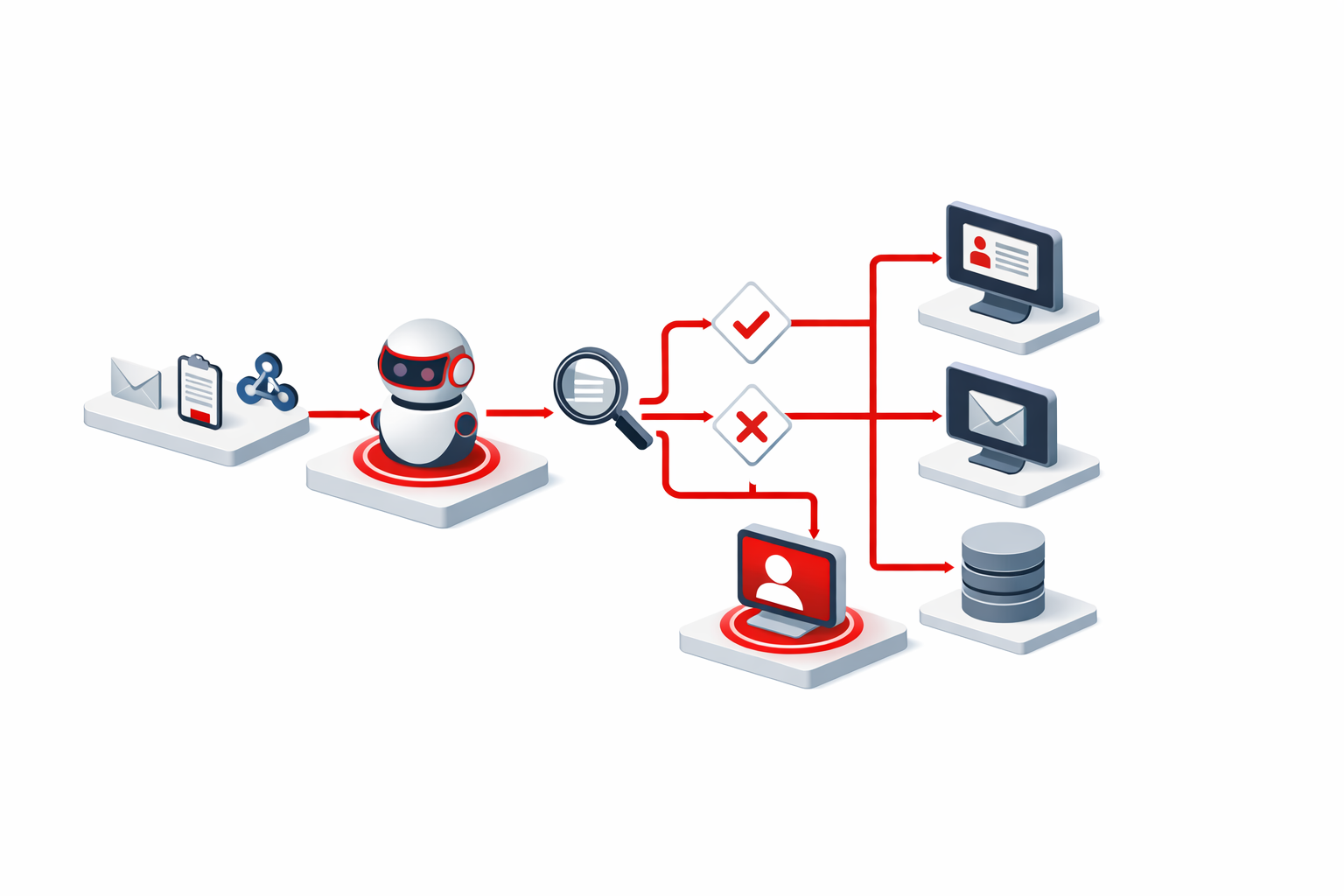
We then design autonomous agents specific to your workflows. Implementation includes three components:
Workflow design and decision logic. We define exactly what the agent should do, what decisions it should make, and what situations require human review. For inventory management, we define when the agent should generate a purchase order, what quantity to order based on historical demand and current stock, what suppliers to order from, and what situations should escalate to the owner. We base decision logic on your business rules and past decisions so the agent makes decisions the way you would.
System integration. We integrate the agent with the systems you use. For a boutique, this includes integration with your POS system, your online store platform, and your email so the agent can check inventory, generate purchase orders, and send them to suppliers. For a coffee shop, this includes integration with your reservation system and your email so the agent can check availability and manage reservations. For a design studio, this includes your calendar and email so the agent can check availability and schedule consultations.
Monitoring and escalation. We set up systems so you monitor what the agent does. The agent sends you a daily summary of actions it took. If the agent encounters a situation outside its decision criteria, it escalates to you for review. This ensures that routine work is automated but nothing slips through without your awareness. Over time, you may give the agent additional authority as you build confidence in its decision-making.
Industries We Serve in Ukrainian Village
Independent boutiques and retail stores use autonomous agents to manage inventory coordination, generate purchase orders, and handle customer service inquiries. Inventory is kept synchronized between physical store and online platforms. Purchase orders are generated automatically based on stock levels and demand patterns. Customer inquiries about returns and exchanges are handled without owner involvement unless the situation is unusual.
Coffee roasters and specialty food businesses use autonomous agents to manage inventory, handle customer reservation and inquiry requests, and coordinate with suppliers. Routine customer calls and emails are handled automatically. Inventory ordering is based on historical demand and current stock. The owner focuses on coffee quality and customer relationships, not on operational coordination.
Design studios and creative services use autonomous agents to schedule consultations, follow up with prospects, generate project initiation documents, and track project status. Prospects can schedule consultations directly with the agent. Follow-up with prospects who do not respond is automated. Project creation workflows are automated. The owner focuses on design and delivery, not on administrative coordination.
Salons and wellness studios use autonomous agents to manage appointment scheduling, send appointment reminders, handle cancellation and rescheduling requests, and manage customer inquiries about services and pricing.
Local artisan makers use autonomous agents to manage orders, coordinate custom requests, send order updates, and handle customer service inquiries. Routine customer communication is automated while unique requests and custom orders get owner attention.
Coffee shops and cafes use autonomous agents to manage reservations, respond to routine inquiries about hours and specials, and handle loyalty program interactions. Staff focus on customer experience while agents handle coordination.
What to Expect Working With Us
1. Workflow discovery and design. We observe and interview your team to understand your current workflows. We map out routine operational processes and identify the highest-value automation opportunities. We design agent workflows that automate routine decisions while escalating edge cases to you. This phase takes 1 to 2 weeks.
2. System integration and agent development. We integrate the agent with your business systems. We develop decision logic that reflects your business rules and past decisions. We set up monitoring and escalation paths so you stay informed and in control. This phase typically takes 2 to 4 weeks depending on workflow complexity and system integration requirements.
3. Testing and refinement. We run the agent in parallel mode where it executes workflows alongside your current manual process and we compare results. We identify scenarios where the agent struggles and refine decision logic. Once we are confident the agent handles 95-plus percent of cases correctly, we transition to agent-led operation with your monitoring. This phase takes 1 to 2 weeks.
4. Live operation and optimization. The agent begins handling real workflows. You review agent decisions daily initially, then weekly as confidence builds. We monitor agent performance and refine decision logic monthly. Most agents improve significantly over the first month as they encounter real-world scenarios and we refine their decision-making.