How We Build API Integrations for Ukrainian Village
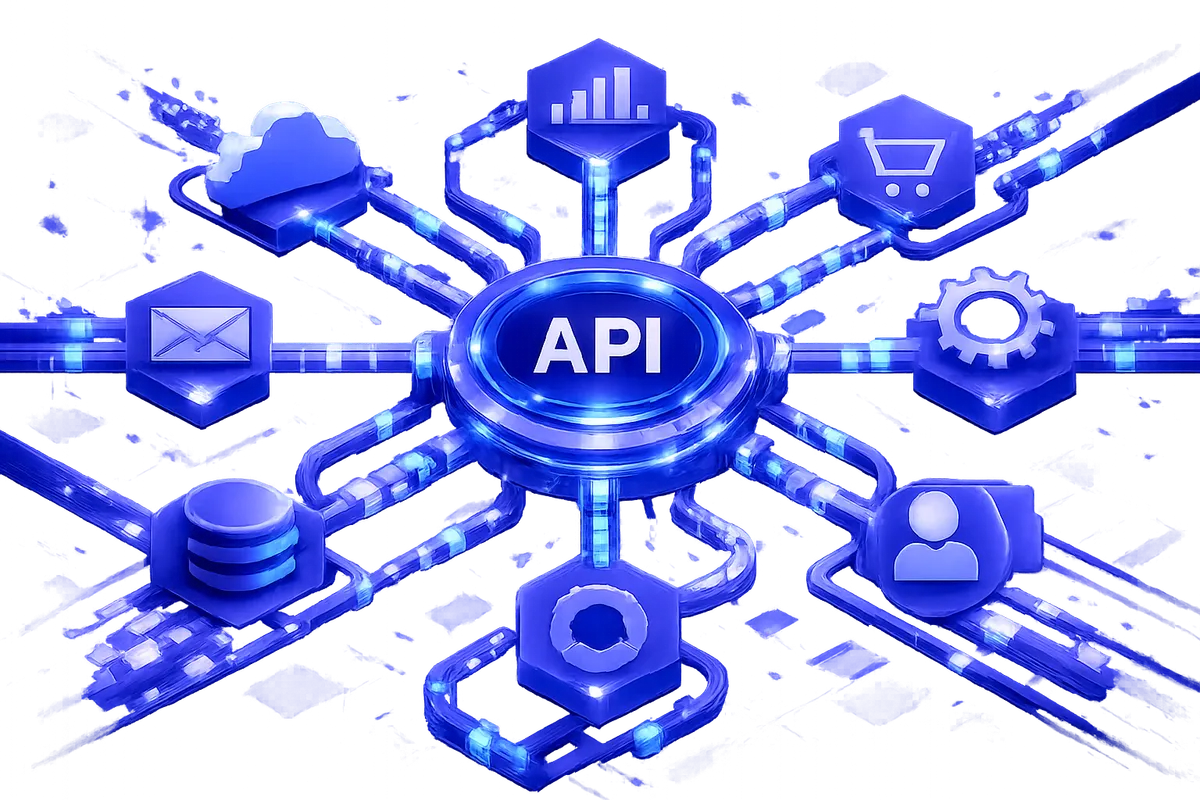
The first step is always a system inventory. We document every platform your business runs on: POS, inventory, scheduling, payroll, email marketing, CRM, accounting, delivery partnerships, reservation systems. Most Ukrainian Village business owners are surprised to count eight or more distinct software platforms in their stack. We map which of those need to exchange data, how frequently, in which direction, and what happens when a record fails to sync.
From that map, we identify which connections can be built with existing integration middleware like Zapier or Make, which require native API connections, and which need custom code. A salon near Eckhart Park connecting its booking software to its email list and CRM is probably a middleware project that takes a week. A restaurant connecting its POS to accounting with custom tip-handling logic is a native API integration that takes three to four weeks and requires testing against real transaction data.
We write clear technical documentation for every integration we build, so your team understands what is connected, what triggers each data sync, and what to check when something does not look right. Integration failures happen, usually from software updates or API version changes on the vendor side. When they do, you need to be able to identify the break quickly and reach someone who can fix it.
All our integrations include monitoring. We watch for failed syncs, data volume anomalies, and API error responses so we catch problems before they compound into weeks of bad data that requires manual cleanup.
Industries We Serve in Ukrainian Village
Independent coffee shops and roasters along Chicago Avenue typically need three core integrations: POS to accounting, inventory to reorder triggers, and customer data to email marketing. A roaster managing both retail and wholesale requires an additional layer connecting wholesale invoicing to accounting so revenue stream separation is automatic. We have built this architecture for independent coffee operations and can deploy it cleanly for any Chicago Avenue shop.
Full-service bars and restaurants on Division Street face the most complex integration requirements in the neighborhood. Kitchen display systems, reservation platforms, POS, liquor inventory, payroll, accounting, and third-party delivery apps like DoorDash all generate data that needs to live somewhere coherent. We connect the pieces in the right sequence so a Sunday night's sales close automatically into reconciled books by Monday morning.
Yoga and fitness studios near Smith Park or along Western Avenue run on class scheduling platforms that need to connect to membership billing, email automations, instructor payroll, and retail inventory. We integrate the scheduling software, whether Mindbody, Pike13, or another platform, with the rest of the business stack so membership renewals trigger automatically, class cancellations fire email alerts, and retail purchases post directly to accounting.
Boutique retail shops on Hoyne Avenue and Damen Avenue manage inventory across a physical store and often an online presence. We connect their ecommerce platform to their in-store POS so inventory stays accurate across channels, online orders flow directly into their fulfillment workflow, and customer purchase history is consolidated regardless of where the transaction happened.
Design and creative studios near the Ukrainian National Museum and throughout the corridor often manage project-based billing alongside occasional retail or product sales. We integrate their project management tools with invoicing and accounting so time tracked in a project tool flows to invoices automatically, and invoices post to accounting when paid without manual reconciliation.
Salons and personal care businesses across Ukrainian Village juggle appointment scheduling, product retail, booth rental billing, and payroll. We connect appointment software to customer records, retail POS to inventory, and payroll data to accounting so the owner can see a full financial picture without exporting from four separate systems every month.
What to Expect Working With Us
1. System map and data flow audit. We spend the first week documenting every system you use, every data type that needs to move, and the current manual workarounds filling the gaps. For most Ukrainian Village businesses, this audit reveals three or four high-priority connections that solve 80% of the redundancy problem. We sequence the work from highest impact first.
2. Integration architecture and vendor review. Before writing a single line of code, we review your vendors' API documentation to confirm what is technically possible. Some platforms offer excellent API access; others have significant limitations. Where a desired integration is not technically feasible through API, we recommend the appropriate workaround so you are not surprised later.
3. Build, test, and parallel validation. We build integrations in a staging environment and run them in parallel with your existing manual process for one to two weeks. This catches edge cases before we flip the switch on production. A restaurant on Division Street needs to validate tip handling across card and cash transactions before relying on an automated POS-to-accounting sync completely.
4. Handoff and monitoring setup. We document every integration, train your team on what to watch for, and configure monitoring alerts before we hand off. The first thirty days post-launch, we respond to support questions within one business day and fix any integration breaks as a priority.