How We Build AI Training Workshops for Ukrainian Village
Our process begins with understanding your team's current AI usage and your training goals. We interview team members about what tools they currently use, what tasks they use AI for, and what results they are getting. We identify where training would have the highest impact. For a boutique, this might be product description writing. For a coffee shop, this might be social media and marketing. For a design studio, this might be AI image generation and workflow integration.
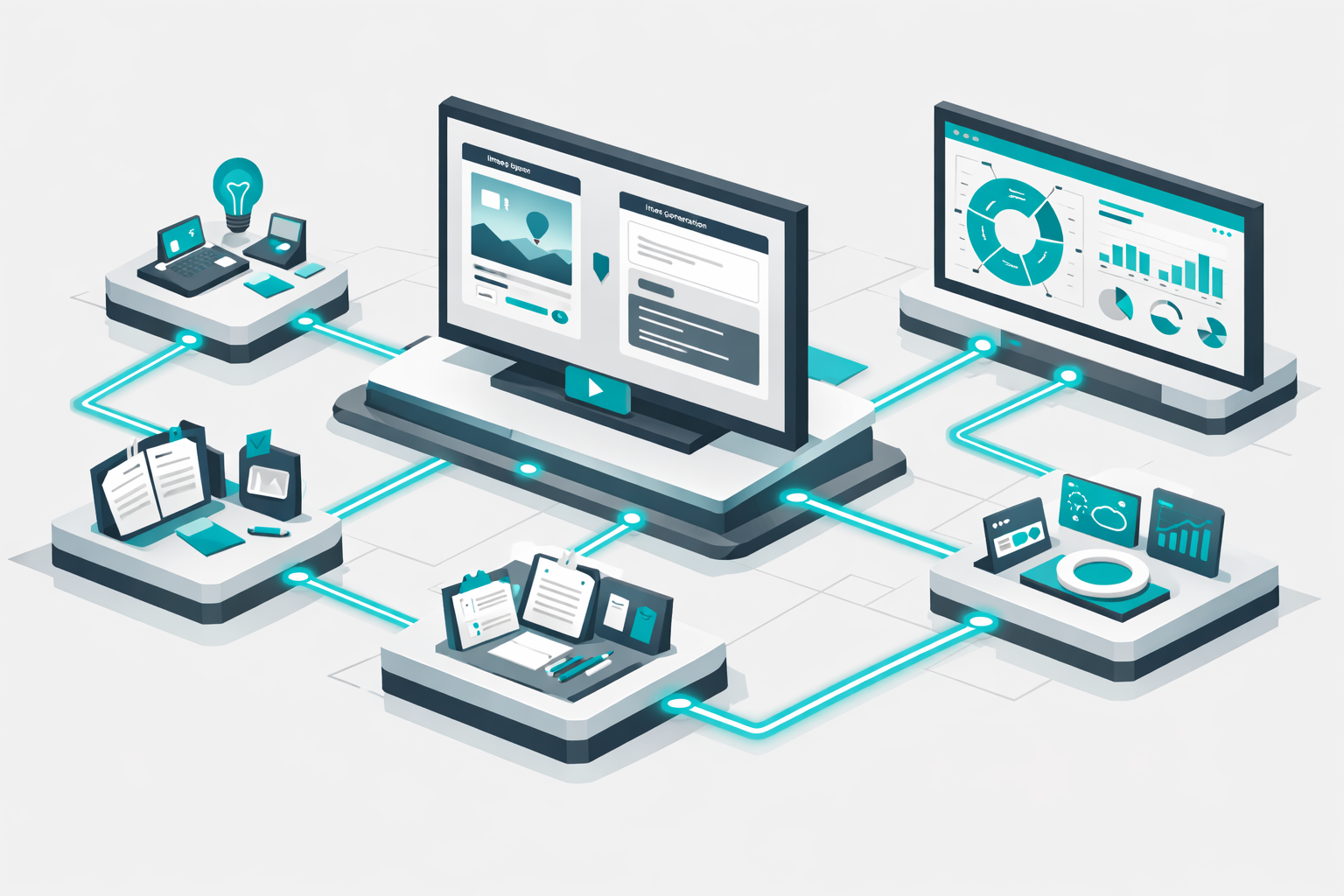
We then design workshops specific to your tools and business context. Implementation includes three components:
Foundations session. This session teaches core concepts: what AI tools are good at, what they are not good at, how to recognize when AI output is hallucinating or making mistakes, and how to structure requests for better results. We cover prompt engineering basics, how different AI tools work, and what to expect from each tool. This session is non-technical and focuses on practical mental models.
Tool-specific training. For each AI tool your team uses, we conduct hands-on training on how to use it effectively. For ChatGPT or Claude, we teach prompting techniques, how to provide context, how to structure requests for consistent output, and how to recognize when to iterate. For AI image tools, we teach image prompting, style guidance, and how to generate variations. For specialized AI tools, we teach the specific features that your team will use. These sessions are hands-on. Everyone has a laptop and actually uses the tools during training.
Workflow integration session. This session teaches how to combine multiple AI tools into workflows that solve business problems. For a boutique, this might be how to use ChatGPT for product descriptions, Claude for marketing copy, and an AI image tool for product photos, then how to combine these into a product launch workflow. For a coffee shop, this might be how to use AI for seasonal menu descriptions, social posts, and promotional materials. For a design studio, this might be how to use AI to generate design concepts, rough layouts, and supporting marketing.
Industries We Serve in Ukrainian Village
Independent boutiques and retail stores along Division Street and Damen Avenue use AI training to enable team members to generate product descriptions, marketing copy, and social media posts. Staff learn to structure requests for better output quality and consistent brand voice.
Coffee roasters and specialty food businesses use AI training to teach team members how to write tasting notes, seasonal marketing materials, and social content. Baristas and managers learn how to use AI as a tool for communication rather than as intimidating black box.
Design studios and creative services use AI training to teach designers and project managers how to use AI image generation, design concept generation, and content assistance. Teams learn how to integrate AI into design workflows as a tool that speeds up certain tasks while humans focus on creative direction.
Salons and wellness studios use AI training to teach staff how to write service descriptions, generate social content, and create marketing materials using AI assistance. Team members learn how to maintain brand voice while using AI tools.
Local artisan makers and craft businesses use AI training to teach owners and staff how to write product descriptions, generate marketing content, and create promotional materials. Training builds confidence that AI is a tool they can use to support their small business.
Coffee shops and cafes use AI training to teach staff how to generate social media content, write menu descriptions, and create promotional materials. Training is accessible to non-technical baristas and front-of-house staff.
What to Expect Working With Us
1. Assessment and program design. We interview your team to understand current AI usage and training goals. We evaluate your existing tools and identify what training would deliver the most value. We design a workshop curriculum customized to your tools and business context. This phase takes 1 to 2 weeks and results in a clear training plan.
2. Workshop delivery. We conduct workshops either in-person at your location or online depending on your preference. Workshops are typically 2 to 4 hours and focus on hands-on practice with your actual tools. We recommend scheduling workshops during off-peak business hours and keeping group sizes to 8-12 people for effective learning. A typical program includes 3 to 5 sessions over 2-4 weeks. Each session includes content delivery, hands-on practice, and Q&A.
3. Post-workshop support and optimization. After workshops, we provide 30 days of email support so team members can ask questions as they apply what they learned. We schedule a follow-up session one month after initial training to review what your team has learned and address any challenges. We provide a prompt library and workflow templates so your team has reference materials as they continue using AI.
4. Ongoing coaching and updates. For clients who want ongoing support, we offer monthly coaching sessions where your team discusses AI projects, shares successful results, and asks questions about new use cases. As AI tools evolve and new capabilities emerge, we update training to cover new features your team could benefit from.