How We Build Prompt Engineering for Streeterville
Our process begins with understanding your current AI tool usage and where results are inconsistent or suboptimal. We interview your team about which tasks they use AI for, what outputs they expect, and where current outputs fall short. We collect actual prompts your team is currently using and evaluate their quality. Many organizations are using vague, open-ended prompts when structured, specific prompts would produce much better results.
We then design prompt architectures specific to your tasks. This includes:
Single optimized prompts replace vague, open-ended questions with structured, specific queries. Instead of a hospital asking "What should we consider about this patient?" the engineered prompt specifies: "Given this patient presentation, provide a differential diagnosis ranked by likelihood, with clinical reasoning for each diagnosis, then recommend the next three diagnostic steps." Structure produces consistent, actionable outputs rather than generic responses.
Prompt chains handle complex tasks by connecting multiple prompts where output from one feeds into the next. For a law firm contract analysis, the chain might extract key business terms, then liability and risk terms, then flag deviations from firm standard templates, then summarize risks. This approach produces comprehensive analysis with minimal human interpretation.
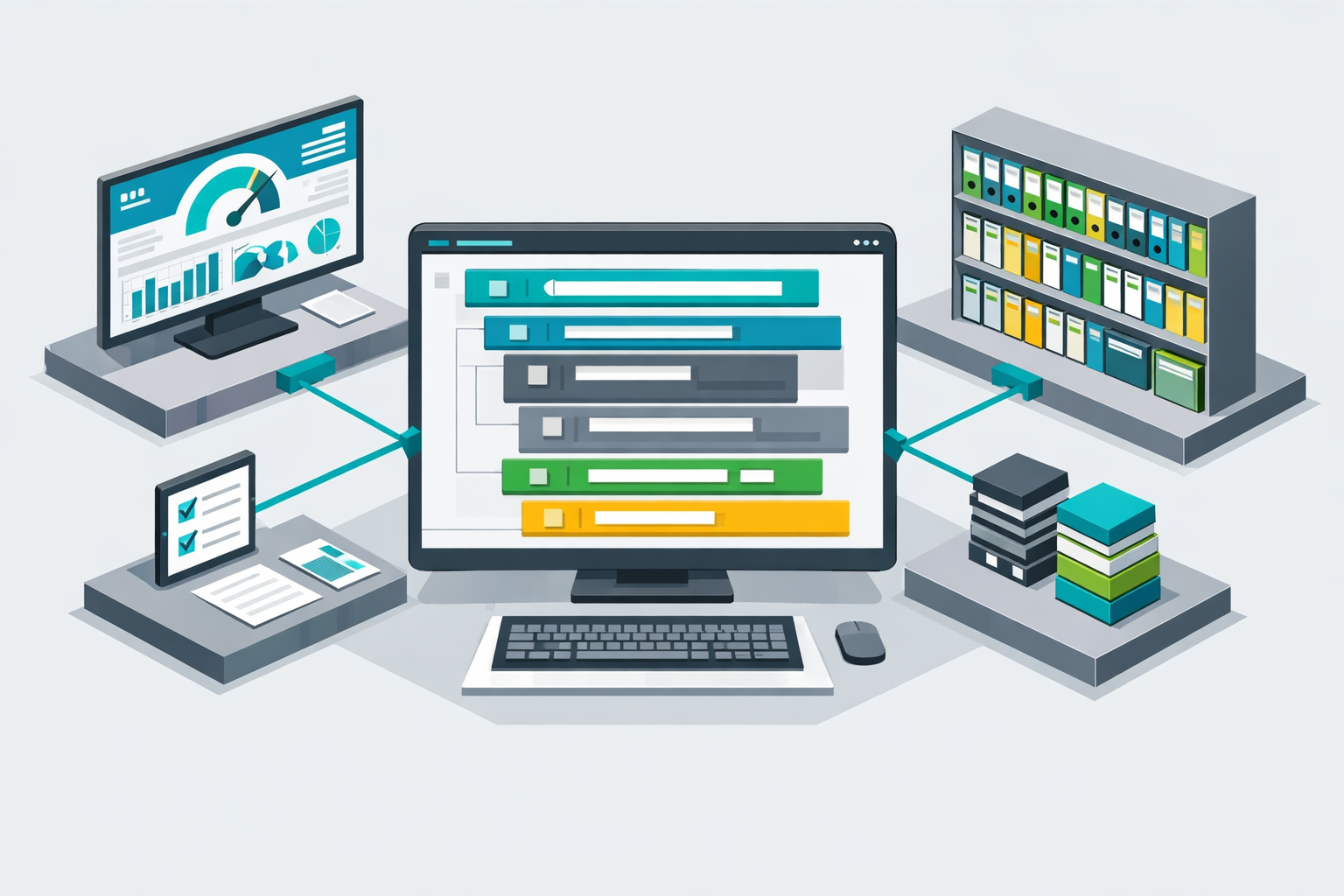
Prompt libraries give organizations using AI across many tasks a reusable foundation organized by function. A hospital builds prompts for clinical decision support, administrative decisions, quality analysis, and operational planning. Each prompt is tested and refined so it delivers consistent outputs. Team members use prompts as templates, customizing for specific situations rather than writing from scratch each time.
Implementation phases:
Discovery and baseline assessment (1 to 2 weeks) audits current AI usage, evaluates existing prompt quality, and identifies 3 to 5 high-priority tasks where better prompts would generate significant benefit.
Prompt design and testing (2 to 4 weeks) designs optimized prompts, tests against real use cases, and refines based on output quality.
Library organization and team training (1 to 2 weeks) builds the prompt library organized by function, trains your team on use and customization, and establishes governance for ongoing improvement.
Industries We Serve in Streeterville
Healthcare systems and hospitals near Northwestern Memorial Hospital use prompt engineering to optimize clinical decision support prompts. Standardized prompts for differential diagnosis, clinical protocol recommendation, and quality flagging ensure consistent, high-quality outputs across providers. This reduces variation in decision-making and improves outcomes.
Medical practices and specialty clinics use prompt engineering to build prompt libraries that support documentation, clinical decision-making, and patient communication. Prompts can be customized for specific specialties and patient populations, ensuring outputs are relevant to specific practice contexts.
Law firms and professional services companies in Streeterville office buildings use prompt engineering to build contract analysis prompts, legal research prompts, and proposal generation prompts. Standardized prompts ensure consistent document analysis and reduce interpretation time for associates.
Hotels and hospitality operations along Michigan Avenue use prompt engineering to build prompts for staffing recommendations, revenue management analysis, guest communication, and operational problem-solving. Prompts account for hotel-specific constraints and produce outputs that directly inform management decisions.
Real estate and property management companies use prompt engineering to build prompts for market analysis, tenant communication, lease document analysis, and financial forecasting. Specialized prompts that account for real estate market dynamics and regulations produce more relevant outputs.
Corporate offices and professional services use prompt engineering to build prompts for customer analysis, competitive research, strategic planning, and operational optimization. Structured prompts ensure outputs address specific business questions rather than generic information.
What to Expect Working With Us
1. AI usage audit and prompt evaluation: We collect and evaluate your current prompts to identify vagueness, missing context, and poor structure. We identify the highest-priority tasks where better prompts would generate measurable benefit. This phase takes 1 to 2 weeks.
2. Prompt design and testing: We design improved prompts, test against actual use cases, and compare output quality from old versus new versions. For each task, we develop 3 to 5 variations and select the highest-quality version. This phase takes 2 to 4 weeks.
3. Library organization and documentation: We organize prompts by function and use case, document purpose and customization guidance for each, and structure the library so your team can quickly find and deploy the right prompt.
4. Team training and governance: We train team members to use and customize prompts, and to recognize and fix suboptimal outputs. We establish governance for testing new prompts and reviewing performance monthly. Ongoing support includes quarterly audits and library updates.