How We Build Multi-Agent Systems for Streeterville
Our process begins with workflow mapping. We spend time observing your actual business processes, not the processes documented in training materials. We map every step in your most complex workflows: patient intake, hotel guest journey, matter setup and execution, staff coordination. We identify manual handoff points, information gaps, decision criteria, and error patterns. For many clients, this step alone reveals surprising inefficiencies that have been hidden because no one sees the entire workflow.
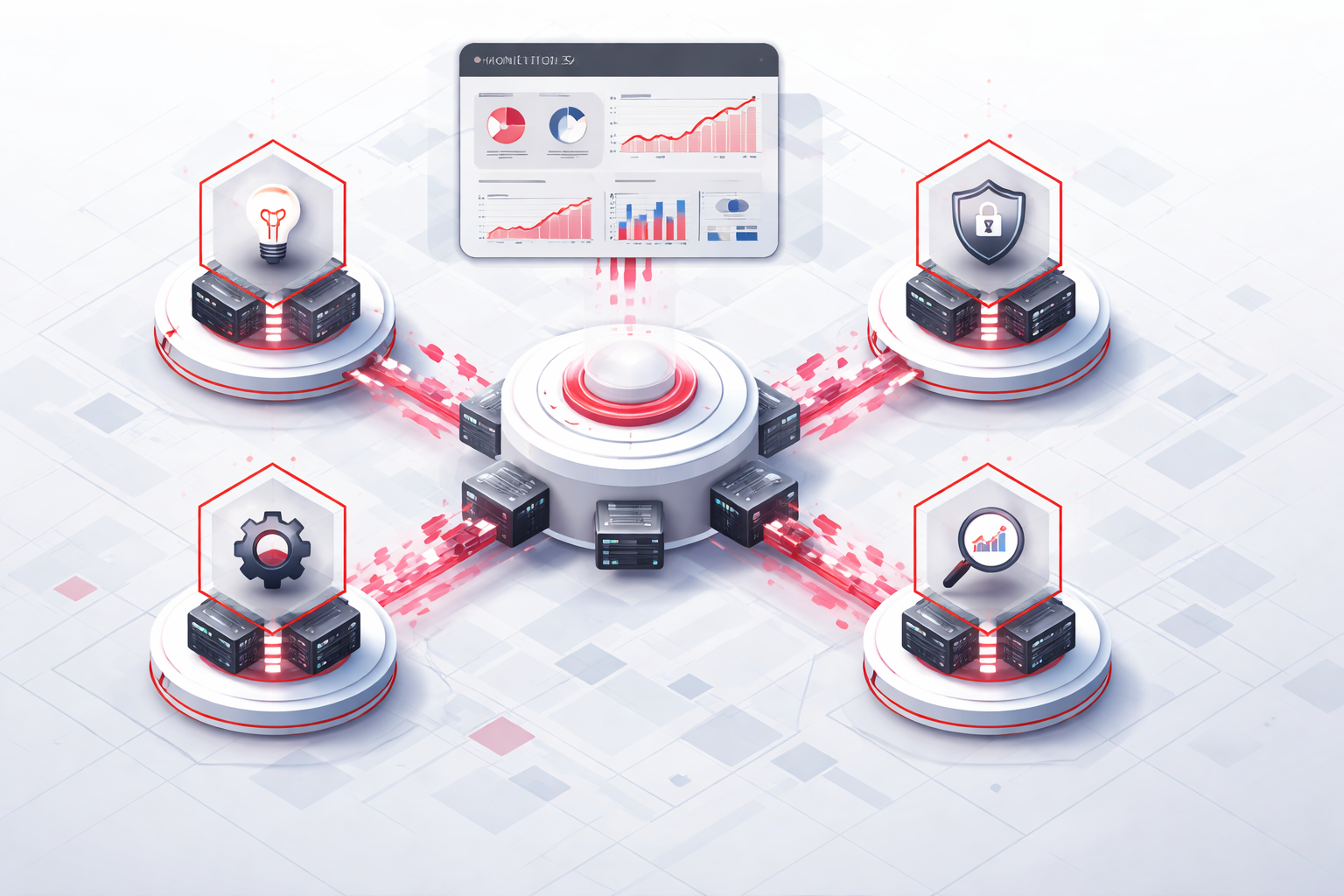
We then design a multi-agent system architecture specific to your workflow. Instead of a monolithic automation, we design a team of specialized agents, each responsible for a specific workflow segment. These agents coordinate with each other using shared business rules and data. An agent makes a decision, updates a shared system record, and notifies other agents that need to act on that information. This agent-to-agent communication is structured and reliable, unlike human communication which is ambiguous and prone to error.
We implement each agent using your existing systems as the data and action layer. The agents do not replace your current tools. They augment them. An agent reads data from your patient management system, your billing system, and your electronic health record. It makes decisions based on clinical protocols and billing rules. It updates all three systems with new information. A hotel agent reads from your property management system, updates the reservation, communicates with the housekeeping app, and posts room status changes. A professional services agent reads from your matter management system, updates time entries, modifies team assignments, and generates billing entries.
The third step is orchestration. We deploy an orchestration layer that coordinates the agents, manages their communication, ensures data consistency across systems, handles exceptions when an agent cannot complete a task, and escalates to human staff when required. This orchestration ensures that if one agent fails, the workflow does not break. It also ensures that agents do not duplicate work or miss steps.
Industries We Serve in Streeterville
Healthcare systems and hospitals near Northwestern Memorial Hospital use multi-agent systems to automate patient intake, clinical documentation, specialty referral coordination, discharge planning, and billing workflows. The AI agents handle form completion, insurance verification, clinical decision routing, and post-acute care coordination. Healthcare staff focus on clinical care while agents handle administrative coordination that currently consumes hours of staff time daily.
Medical offices and specialty practices operate with smaller teams that cannot afford to hire administrative coordinators for each workflow segment. Multi-agent systems automate the same patient coordination that large health systems achieve with dedicated staff. A single medical practice can process patient intake, referral management, and billing as efficiently as much larger organizations because the AI agents do the coordination work.
Luxury hotels and hospitality operations along Michigan Avenue use multi-agent systems to coordinate reservations, guest preferences, room preparation, in-stay service requests, concierge requests, dining reservations, and checkout processes. Guest-facing service improves because requests are processed immediately rather than waiting for staff to coordinate across departments. Operational efficiency increases because agents pre-position resources before guest arrival rather than reacting to requests after the fact.
Professional services firms including law firms, consulting practices, and management advisory firms use multi-agent systems to automate matter setup, team assignment based on expertise and capacity, research coordination, billing milestone tracking, and final billing generation. Partners focus on client relationships and high-value work while agents coordinate the administrative elements of engagements.
Real estate development and commercial real estate companies in Streeterville use multi-agent systems to coordinate leasing workflows, tenant relationship management, maintenance request coordination, and financial reporting. When a prospect inquires about space, agents coordinate property tours, follow-up communications, lease negotiation document generation, and tenant communication about move-in logistics.
Corporate office and professional services including consulting firms, financial advisory firms, and specialized service providers use multi-agent systems to manage project workflows, resource scheduling, client communication, and delivery coordination. Agents ensure that projects follow defined methodologies, resources are allocated efficiently, and clients receive consistent, timely communication about project status.
What to Expect Working With Us
1. Process discovery and mapping: We spend 2 to 3 weeks observing your actual workflows, interviewing team members at every level to understand where bottlenecks occur and where manual handoffs consume the most time. We identify the highest-impact automation opportunities and prioritize based on impact and implementation complexity.
2. Agent design and system architecture: We design the multi-agent system specific to your workflow and existing tools, defining what each agent is responsible for, how agents communicate, and what escalation paths exist. This phase takes 2 to 4 weeks depending on complexity.
3. Implementation and integration: We implement each agent with integration to your existing systems, including HIPAA-compliant data handling for healthcare and property management integration for hospitality. Robust error logging ensures full visibility into agent actions. Implementation typically takes 4 to 8 weeks.
4. Testing, refinement, and deployment: We run parallel testing alongside your current manual process before transitioning to live agent operation. Once agents handle 95-plus percent of cases correctly, human monitoring decreases as agents prove reliability. Full deployment typically takes 2 to 4 additional weeks.