How We Build Data Analytics AI for Streeterville
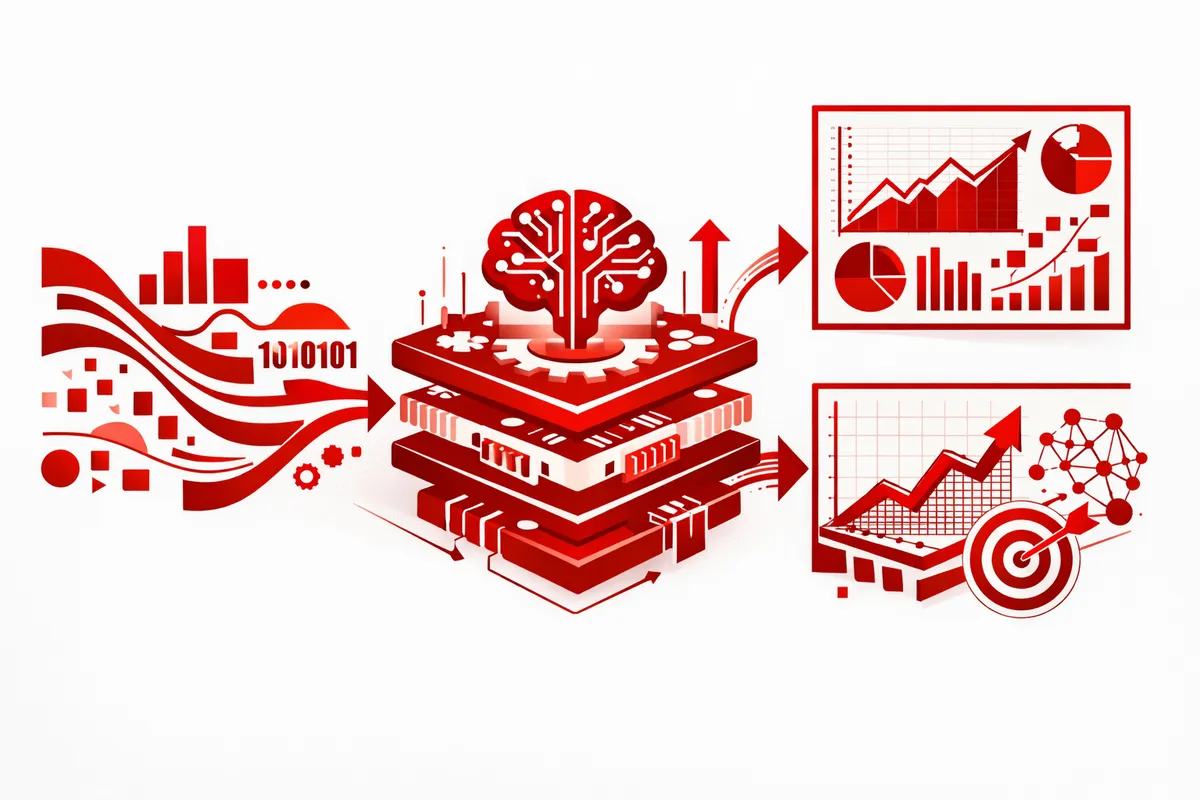
Our process starts with a comprehensive audit of your current data infrastructure. We map every system where operational data is generated: your electronic health record system, your billing platform, your patient management system, your financial accounting software, your hotel property management system, your revenue management tools, your customer relationship system, your client matter management platform. We identify what data each system generates, how frequently it updates, and where data quality issues exist.
We then design a data pipeline that ingests data from all these sources and prepares it for analysis. This is not a simple export-to-spreadsheet operation. We build automated pipelines that pull data continuously, validate it for accuracy, and structure it so that a hospital's clinical data can be combined with its financial data to understand the relationship between clinical outcomes and profitability, or a hotel's room occupancy data can be combined with its revenue data to optimize pricing strategies.
Finally, we layer AI analytics on top of this unified data platform. This includes three components:
Real-time monitoring dashboards display your most critical operational metrics updated continuously throughout the day. A hospital administrator sees current patient census, operating room utilization, and billing status in real-time. A hotel manager sees current occupancy, revenue per available room, and booking pace. These dashboards surface anomalies immediately, enabling rapid response before they cascade.
Predictive models forecast what will happen based on historical patterns and current conditions. A hospital's AI predicts patient no-show risk so staff can focus on high-risk appointments. A hotel's AI predicts future demand curves by room type so revenue managers can adjust pricing proactively. A medical practice's AI predicts which patients are at risk of not paying their bills so billing can prioritize collection.
Prescriptive recommendations go beyond forecasting to recommend specific actions. The AI recommends which patients would benefit from targeted follow-up. It recommends optimal pricing for specific room types on specific dates. It identifies which client engagements are underpriced relative to the value delivered.
Industries We Serve in Streeterville
Healthcare systems and hospitals near Northwestern Memorial Hospital use data analytics AI to track patient outcomes, optimize operating room scheduling, identify clinical quality issues through readmission analysis, and understand revenue by service line and provider. The AI helps hospitals identify which procedures are most profitable, which providers generate the highest patient satisfaction scores, and which patient populations require additional care coordination to improve outcomes.
Medical practices and specialty clinics operate independently or as part of larger health systems while managing patient flow, appointment utilization, clinical quality, and financial performance. Data analytics AI reveals which appointment slots fill fastest, which treatment protocols deliver the highest patient retention, which billing codes result in claim denials, and which payors are most profitable to service. This intelligence drives operational efficiency and revenue protection.
Luxury hotels and hospitality venues along Michigan Avenue and near the convention district use data analytics AI to optimize room pricing, understand guest preferences, forecast demand by room type, and maximize revenue per available room. The AI learns which guests are likely to upgrade, which times of year generate the highest average daily rates, and which marketing campaigns drive the highest-value bookings. This insight directly increases profitability in an industry where margins are often thin.
Professional services firms including law firms, consulting firms, and management consulting practices in Streeterville office buildings use data analytics AI to track project profitability, understand client lifetime value, forecast demand for specific service offerings, and identify which service lines are underperforming. This enables partners to make informed decisions about practice development and resource allocation.
Retail and luxury goods businesses on Michigan Avenue and within high-rise complexes near the John Hancock Center use data analytics AI to understand which products sell faster, which customer segments purchase premium items, which price points maximize revenue, and which seasonal patterns drive demand. The AI helps retailers understand their customers deeply enough to optimize inventory and personalization.
Real estate and development firms operating in Streeterville use data analytics AI to forecast market conditions, analyze property valuations, understand leasing trends, and track occupancy and rent growth patterns. For development companies planning new projects, this intelligence informs site selection, unit mix, and pricing strategies.
What to Expect Working With Us
1. Data infrastructure audit: We map every system where operational data is generated, identify quick wins where data is available but underutilized, and surface data quality issues that need resolution before analysis begins. This phase typically takes 2 to 3 weeks.
2. Pipeline design and development: We build automated pipelines that pull data continuously from all your source systems, validate it, and consolidate it into a unified platform. For healthcare organizations, this includes HIPAA-compliant encryption and access controls. This phase takes 3 to 6 weeks.
3. Analytics model development and deployment: We develop predictive and prescriptive models specific to your business, deploying them into dashboards your team uses daily. For a hospital, this includes no-show prediction and readmission risk scoring. For a hotel, this includes demand forecasting and dynamic pricing recommendations. This phase typically takes 4 to 8 weeks.
4. Training and ongoing optimization: We train your team to interpret dashboards and act on insights, then monitor model performance and refine them as new data arrives. Ongoing support includes monthly reviews and recommendations for new analyses.