How We Build SaaS for South Shore
We start every engagement with a discovery process that goes beyond feature lists. We document the specific user personas your product serves, the workflows they currently run manually or through disconnected tools, the integration requirements of the systems already in their ecosystem, and the compliance posture your target buyers will require. For South Shore founders targeting community organizations, nonprofits, or government-adjacent buyers, this phase also maps the procurement realities of these organizations, because building a product these institutions will actually adopt requires understanding how they make technology decisions.
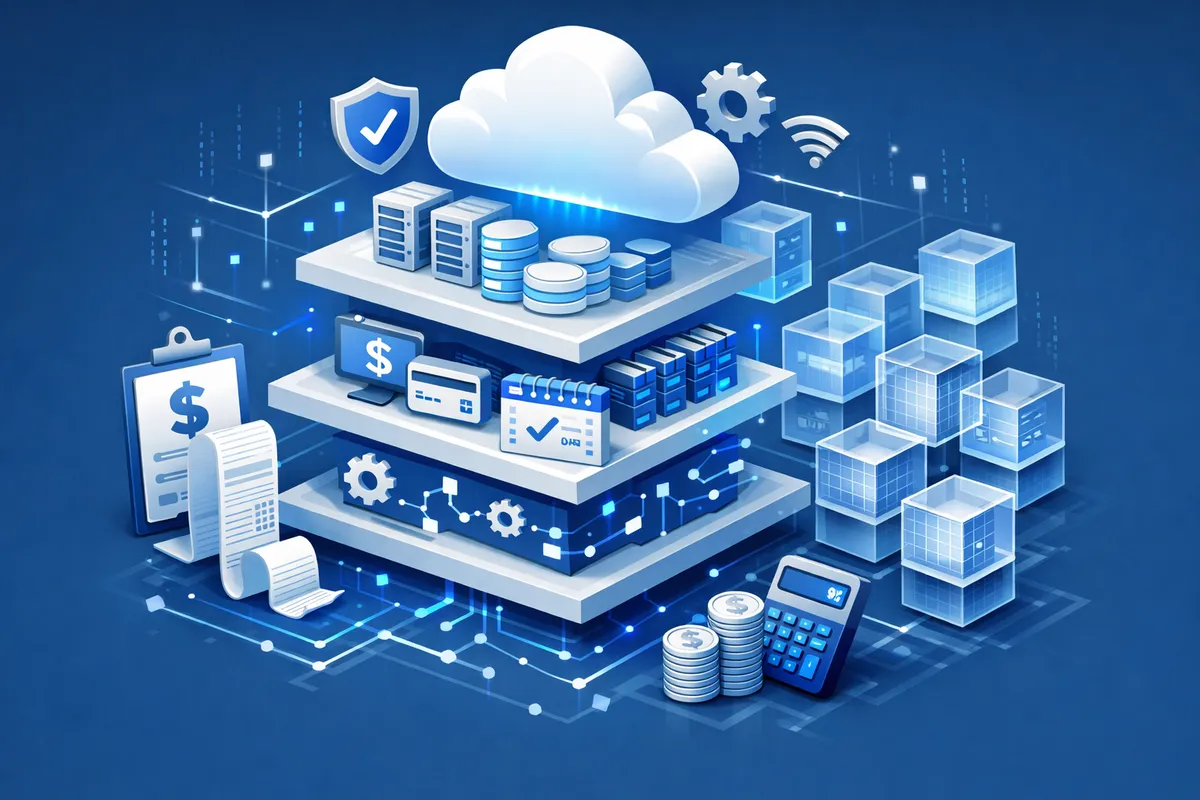
From discovery we define the multi-tenant data model, billing architecture, authentication and access control system, and the analytics instrumentation your product will need to understand how customers use it. We build a phased technical specification and roadmap before any code is written, so you know what you are building, in what order, and why each architectural decision serves the product's long-term goals.
Our build process follows phases designed to deliver value incrementally. An MVP with core features, multi-tenant architecture, and basic billing gives you something real to put in front of customers on the South Side and beyond. Enterprise readiness, including API documentation, audit controls, and compliance documentation, prepares your product for the larger institutional buyers that South Shore's proximity to both University of Chicago and the Obama Presidential Center ecosystem will attract.
Industries We Serve in South Shore
Community and social service organizations along 71st Street and throughout South Shore need purpose-built software for case management, client tracking, service delivery coordination, and grant compliance reporting. Generic CRM tools do not serve these operational realities well, and the organizations that have to use them know it.
Healthcare and behavioral health providers serving South Shore's residential population include federally qualified health centers, mental health providers, and community clinics that need practice management, patient engagement, and referral coordination software. This is a significant vertical, underserved by existing SaaS products designed for larger suburban or Loop-area practices.
Workforce development and training organizations like those in the South Shore Chamber network need learner management, employer relationship tracking, and outcome reporting tools built for the specific operational context of community-based workforce programs, not corporate L&D.
Small business services and local commerce tools that serve the barbershops, salons, restaurants, and retail along 75th Street and 79th Street have largely been underbuilt. Founders who understand these markets from the inside have a genuine advantage building software for them.
Food production and distribution companies based on the Far South Side that supply Chicago's restaurant market need inventory, procurement, and delivery logistics software that understands the specific cadence of perishable food commerce.
What to Expect Working With Us
1. Discovery and architecture. We spend weeks 1 through 4 documenting your user personas, core workflows, integration requirements, and compliance posture. You receive a technical specification and phased build plan before any code is written. For South Shore founders, this phase includes mapping the procurement and compliance expectations of the specific buyers you are targeting, because community-facing software has distinct adoption dynamics compared to pure commercial SaaS.
2. MVP build. Months 2 through 5 focus on core features, multi-tenant architecture, authentication, billing, and the foundation of the analytics instrumentation you will need to understand and grow your customer base. Every architectural decision during this phase is made with the long-term product in mind, not just the immediate deliverable.
3. Enterprise and institutional readiness. Months 5 through 8 add API documentation, admin and audit controls, compliance documentation, and integrations with the systems your buyers require. This phase prepares your product for institutional sales conversations with healthcare networks, government agencies, and large nonprofit organizations that move slowly but commit seriously.
4. Scale and iteration. Ongoing feature development, performance optimization, and product refinement based on real usage data from your actual customer base. As South Shore's economic ecosystem grows around the Obama Presidential Center, the products built on strong foundations now will be positioned to capture that growth.