How We Build Predictive Analytics in South Shore
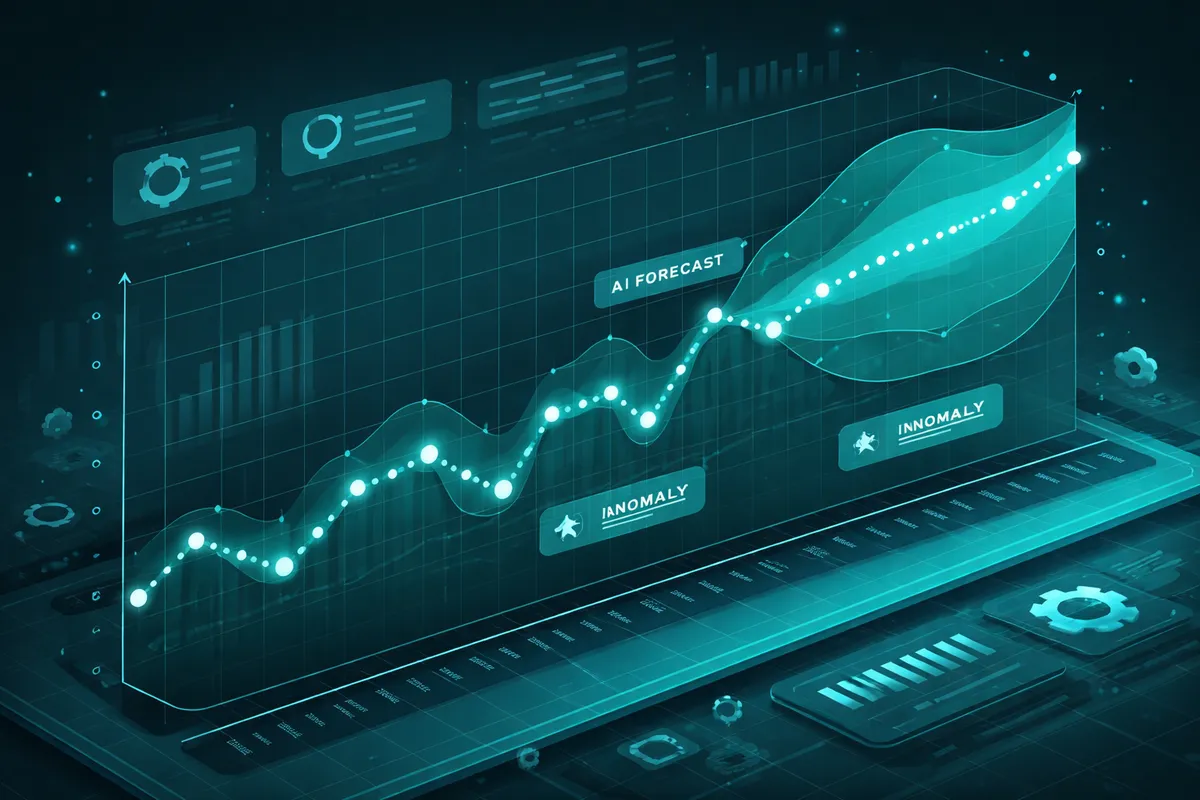
We build forecasting models from your existing data. For South Shore restaurants, we predict daily demand using day of week, weather, local events, and historical sales. For service businesses, we forecast appointment demand by service type and time period. For community organizations, we predict program enrollment, event attendance, and resource needs based on historical participation data and community engagement signals.
The integration process starts with a data audit, typically taking one to two weeks. We assess what records you have, identify the strongest historical signals in your data, and build a model architecture appropriate for your business type. A restaurant forecasting model looks different from a community organization enrollment model, and we build each from scratch rather than applying a generic template.
Industries We Serve in South Shore
Restaurants and food businesses along 71st Street use predictive analytics to optimize purchasing, reduce waste, and schedule staff based on forecasted demand. Models account for South Shore's specific community events, the seasonal patterns of lakefront activity during summer months, and the weather sensitivity of this particular part of the city. One 71st Street restaurant reduced food waste by 18% in the first quarter after deploying demand forecasting, translating to approximately $900 in monthly savings that previously ended up in the trash.
Service businesses throughout South Shore forecast customer demand to optimize scheduling, inventory, and staffing. Home service companies predict seasonal surges and plan hiring and marketing accordingly. Personal care businesses optimize appointment scheduling by predicting which days and times have the highest demand. The result is fewer idle hours for practitioners and shorter wait times for customers.
Community organizations in South Shore use predictive analytics for program planning, event capacity forecasting, and resource allocation. Data-driven planning improves program outcomes and budget efficiency by matching resources to predicted participation rather than allocating based on prior-year actuals that may not reflect current community dynamics.
What to Expect Working With Us
1. Data audit and baseline establishment. We review your sales records, appointment logs, program enrollment data, or whatever historical records you maintain. We identify the strongest patterns in your data and establish a baseline forecast before adding external signals.
2. Local signal integration. We layer in South Shore-specific signals: community event calendars, seasonal lakefront patterns, weather data, and any neighborhood development factors relevant to your business. The Obama Presidential Center construction timeline is an example of a structural factor that belongs in this layer.
3. Model training and validation. We train forecasting models on your data and validate predictions against known historical events. For restaurants, this means checking that the model correctly calls your busiest and slowest weeks from the past two years before using it to predict future ones.
4. Forecast delivery and ongoing tuning. You receive weekly forecast reports and access to a dashboard showing daily predictions. We review model performance monthly and tune parameters based on actual outcomes. As the neighborhood changes, we update the model to reflect new baseline demand levels.