How We Build Computer Vision in South Shore
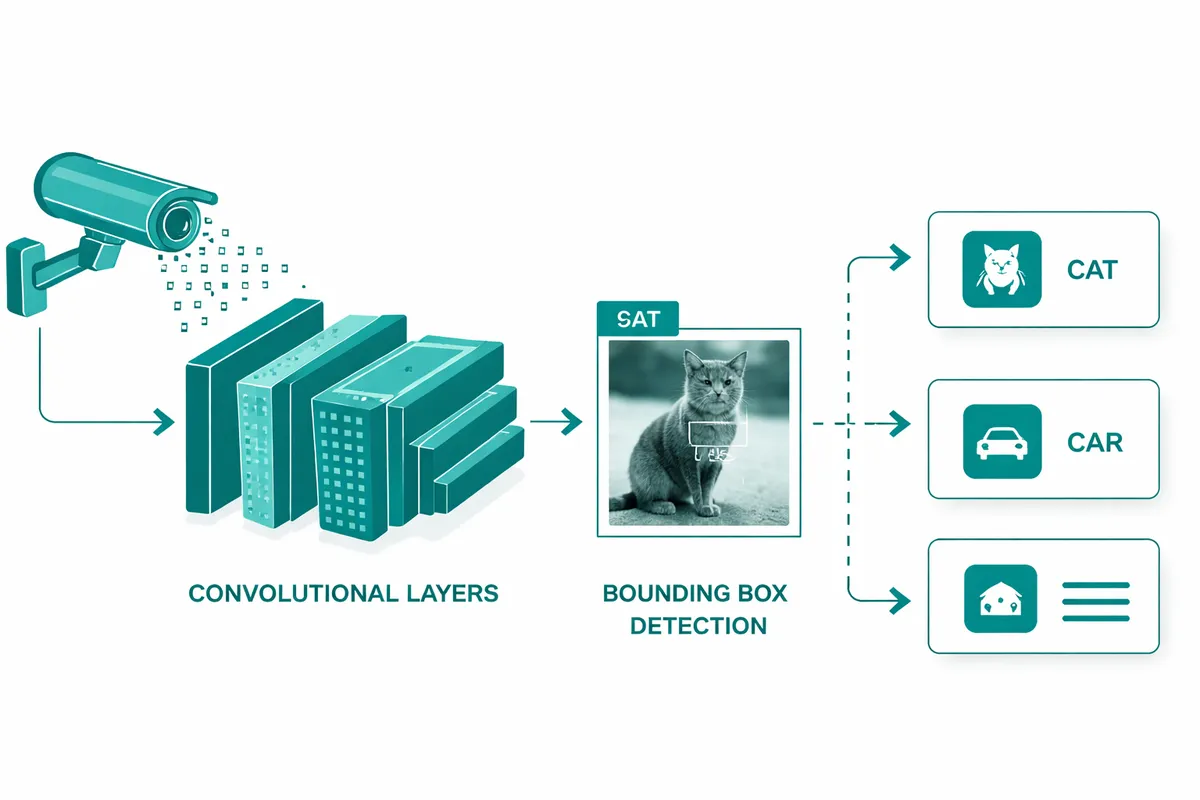
We work with existing cameras or deploy purpose-built sensors. For South Shore retail and service businesses, we build foot traffic counters and customer flow analytics. For property managers, we provide building monitoring, access management, and package delivery verification. For community development organizations, we build traffic analytics that support planning and investment proposals. We start by assessing your existing camera coverage and designing the deployment around what you already have, adding new hardware only where coverage gaps make it necessary for the specific monitoring goals we are trying to achieve.
Industries We Serve in South Shore
Retail and food businesses along 71st Street use computer vision to understand foot traffic patterns, peak hours, and customer flow. Data drives decisions about store hours, staffing levels, and promotional timing. A business that discovers its actual peak traffic is 3 PM to 6 PM on weekdays rather than the assumed 5 PM to 8 PM can adjust hours and staffing to capture more of that traffic rather than running at full staff during periods that are actually slower.
Property management companies overseeing South Shore residential buildings use computer vision for access monitoring, package tracking, and property condition assessment across multiple buildings. Package theft at multifamily properties is a persistent, costly problem. Camera-based delivery verification and access monitoring address it systematically rather than through ad hoc responses to individual complaints, reducing both theft incidents and the staff time spent investigating them.
Community development organizations use pedestrian and traffic analytics to support grant applications, planning proposals, and economic impact assessments for South Shore corridor improvements. As the Obama Presidential Center construction brings increased attention to the Jackson Park and South Shore area, organizations that can demonstrate current traffic patterns and commercial corridor activity with objective data are better positioned to secure investment and influence planning decisions that shape the neighborhood's future.
What to Expect Working With Us
1. Goals and context assessment: We begin by understanding what decisions you want to make better with visual data. For a 71st Street retailer, that is usually peak traffic analysis and display effectiveness. For a property manager, it is security monitoring and package management. For a community organization, it is attendance counting and corridor activity documentation. Each goal drives a different deployment configuration.
2. Infrastructure audit: We assess your existing cameras and determine what monitoring goals they can support with AI processing added. Most South Shore properties have more usable camera coverage than their owners realize. We design deployments that maximize the use of existing infrastructure.
3. Model training and live deployment: We train AI models on your specific space, products, or facility and deploy them against your camera feeds. The first two weeks of live operation generate baseline data against which all future patterns are measured.
4. Reporting for business and community use: We configure reporting outputs that match how you plan to use the data. Retailers get hourly traffic breakdowns. Property managers get incident alerts and package delivery logs. Community organizations get weekly reports formatted for program reporting and grant documentation.