How We Build APIs for South Shore
Architecture before implementation. We design the API before writing production code. We map integration requirements, design the data model, define the endpoint structure, plan the security architecture, establish versioning and deprecation policy, and document the design in an OpenAPI specification that serves as the development contract. For a South Shore organization that has not worked through API architecture before, this design phase often surfaces requirements and constraints that would have created expensive rework if discovered after implementation.
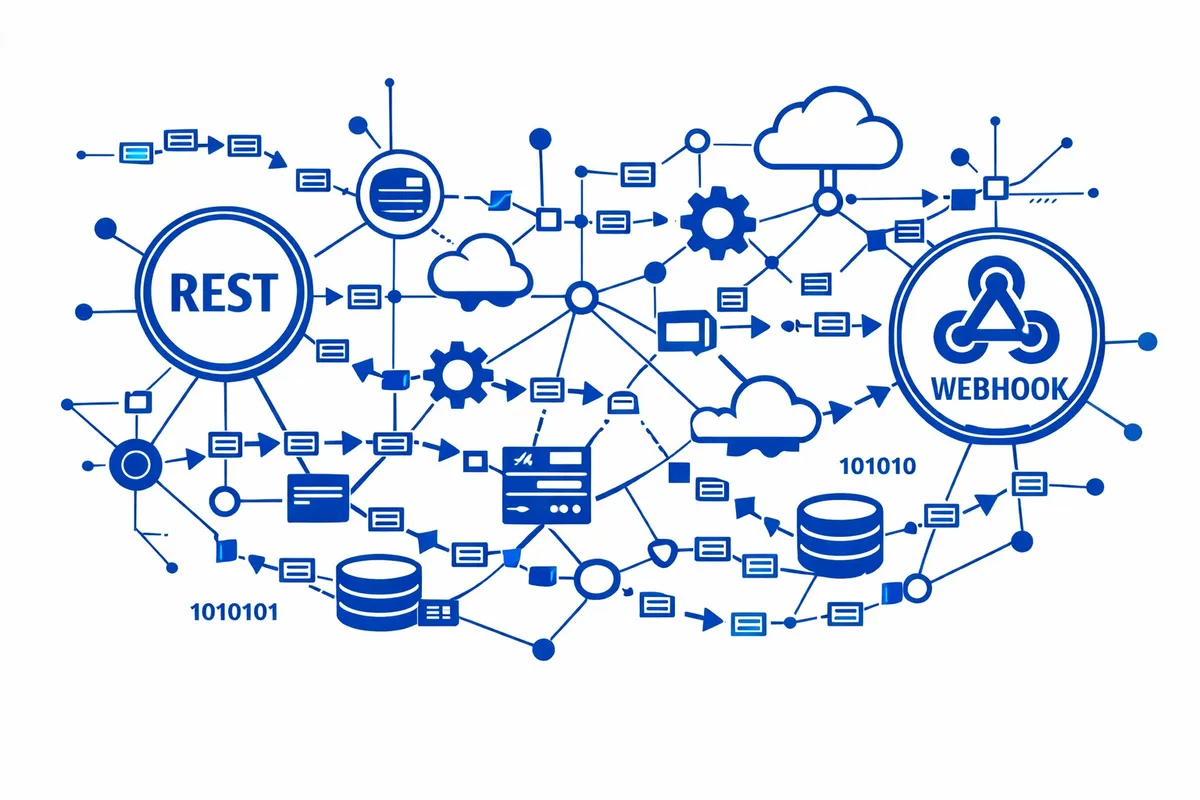
REST or GraphQL, chosen for the use case. We recommend REST for most enterprise and B2B integration needs because it is the most widely deployed pattern and works well for standard data access scenarios. We recommend GraphQL for cases where different client types need to query the same underlying data in fundamentally different ways, particularly in applications where screen-specific data requirements vary significantly. We do not default to either. We pick based on your actual integration patterns.
Security as a design foundation. For healthcare clients, we design for HIPAA compliance from the first architecture session: PHI encryption at rest and in transit, access controls with event-level audit trails, minimum necessary access principles, and documentation that supports Business Associate Agreement compliance. For financial clients, we implement OAuth 2.0 with appropriate grant types, mutual TLS for high-security endpoints, request signing for tamper detection, and audit logging meeting applicable regulatory standards. Security is not a layer added at the end. It is a structural element of the design.
Development in visible milestones. We build iteratively with working, testable endpoints at each milestone rather than hiding progress behind a final delivery. Integration testing begins early in the development process, surfacing misalignments between the design and actual requirements while they are still inexpensive to address. Every endpoint includes automated test coverage before delivery.
Documentation as a first-class deliverable. Every API we deliver includes interactive documentation generated from the OpenAPI specification, authentication guides, code examples in the languages your partner developers commonly use, error references with specific remediation guidance, a sandbox environment for integration development, and architecture documentation for your internal team. Documentation quality directly affects how widely and quickly your API gets adopted, and we treat it accordingly.
Observability and post-launch support. We implement observability infrastructure as part of every build: structured logging, distributed tracing, metrics dashboards, and alerting configurations. Post-launch support retainers cover monitoring, security updates when vulnerabilities are disclosed in your technology stack, and planned feature additions. For South Shore organizations that want eventual internal ownership of the API, we structure knowledge transfer into the engagement.
Industries We Serve in South Shore
Health technology companies building clinical data products, patient engagement tools, or health data exchange systems for clients that include Jackson Park Hospital and other South Side healthcare providers need APIs that meet federal ONC requirements and HIPAA standards while providing the functionality clinical application developers need. We have built HL7 FHIR APIs, custom clinical data exchange systems, and patient-facing APIs for health technology clients.
Community organizations and nonprofits running programs that integrate with funder reporting systems, partner organizations, and social service networks need APIs that move data reliably between systems that were often not designed to talk to each other. We build integration APIs and custom backend services for South Shore nonprofits modernizing their technical infrastructure.
Cultural institutions including organizations connected to the South Shore Cultural Center, Little Black Pearl, and the broader cultural ecosystem need APIs that support digital programming, member engagement platforms, donation systems, and partner institutional integrations as they expand digital capabilities to reach audiences beyond the physical space.
Ecommerce and retail brands operating out of South Shore and serving national audiences need APIs that connect Shopify, WooCommerce, or custom platforms to fulfillment partners, inventory systems, accounting software, customer service platforms, and marketing tools. Clean integration architecture prevents the data quality issues that undermine growing ecommerce operations.
Practice management organizations including medical, dental, therapy, and home health organizations serving South Shore need APIs that connect multiple clinical systems, billing platforms, and reporting systems across offices. Backend integration work often removes hours of manual data entry and reconciliation work each week.
Professional services firms serving South Shore clients need APIs for document management integration, client portal systems, matter management, and financial system integration. Clean backend architecture lets smaller firms deliver the sophisticated client experience that larger firms provide through much larger engineering teams.
What to Expect Working With Us
1. Architecture and design engagement. We spend the first two to four weeks understanding your integration requirements, designing the data model and endpoint structure, defining security architecture, and documenting the design in an OpenAPI specification. You review and approve before implementation begins. No code gets written against undefined requirements.
2. Milestone-based development. Development proceeds in visible milestones. Each milestone delivers working, testable endpoints that integrate with early testing. You see progress throughout the engagement, not just at final delivery.
3. Testing, documentation, and launch. Before production launch, every endpoint has automated test coverage, interactive documentation is published, a sandbox environment is available, and observability infrastructure is in place. We support the launch actively, monitoring performance and addressing any issues that emerge in early production traffic.
4. Ongoing support and iteration. Post-launch support retainers cover monitoring, security updates, and planned feature additions aligned to your roadmap. For organizations that want eventual internal ownership, we structure knowledge transfer with comprehensive runbooks and architecture documentation.