How We Build AI Model Training in South Shore
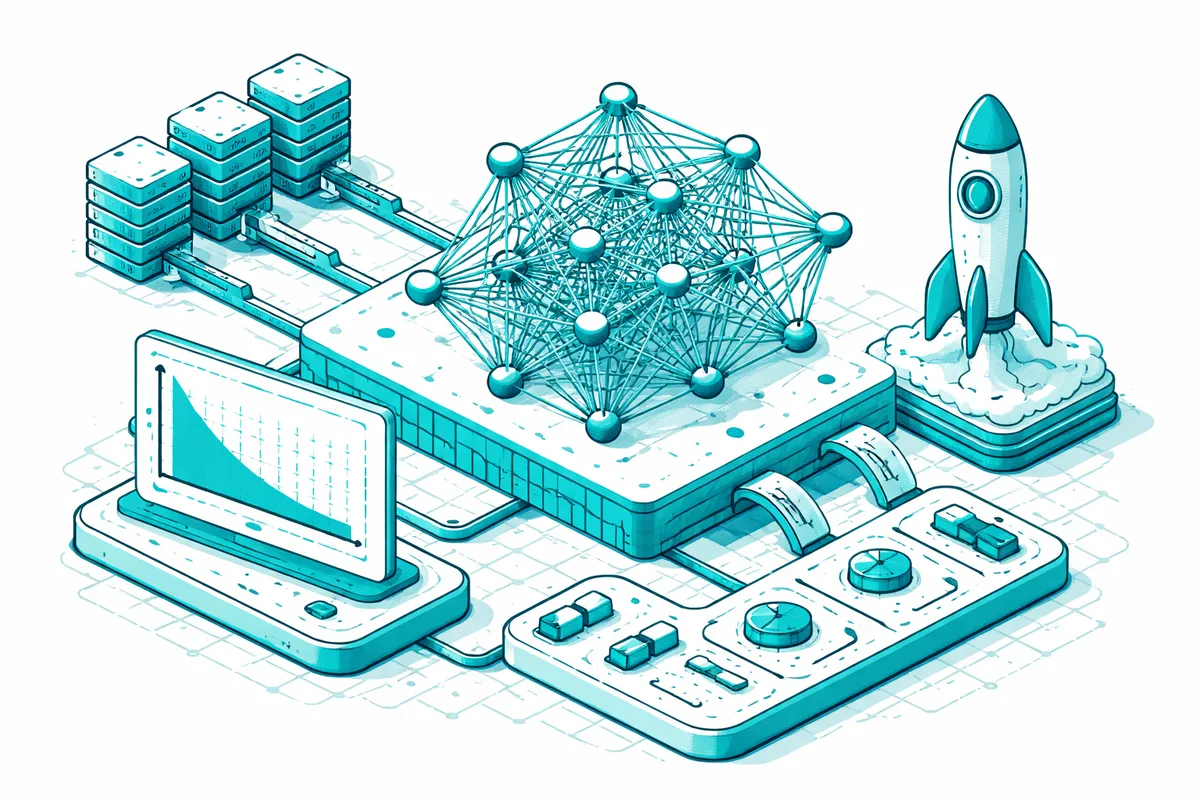
We collect your existing data, prepare it for training, and build models aligned with your goals. For South Shore restaurants, we train demand models on local dining patterns, Cultural Center event calendars, lakefront seasonal traffic, and the community engagement rhythms specific to 71st Street. For service businesses, we build customer retention models on actual service and rebooking data, identifying which clients are most at risk of not returning. For community organizations, we train participation prediction and donor propensity models on program and fundraising history.
Every model is validated against real South Shore historical outcomes before deployment. We test predictions against periods the model has never seen, including Cultural Center event weeks, summer lakefront season, and the seasonal patterns that define commerce in this part of the South Side. We only go live when the model outperforms whatever approach the business or organization is currently using.
Industries We Serve in South Shore
Restaurants and food businesses along 71st Street train demand models that capture South Shore's specific traffic patterns, seasonal variations, and event-driven demand spikes from the Cultural Center and Jackson Park. These models account for the neighborhood's strong community dining culture, the summer lakefront traffic that brings different customer demographics, and the weekend versus weekday patterns that define South Shore dining rhythms distinctly from other South Side corridors.
Service businesses throughout South Shore train customer models on rebooking patterns, service preferences, and lifetime value data specific to their clientele. A beauty salon near Stony Island Avenue trains a churn prediction model on its actual appointment history, identifying clients whose visit frequency is declining before they stop coming back entirely. A home service provider trains a scheduling and demand model on the specific seasonal patterns of the blocks they serve.
Community organizations and nonprofits in South Shore train models for program participation prediction, donor scoring, and resource allocation optimization based on their historical program data. These models help organizations deploy limited resources toward the programs and constituencies with the highest engagement potential, extending impact without increasing overhead.
What to Expect Working With Us
1. Discovery and data audit. We review your data sources and assess quality. For South Shore businesses, we specifically look at how well your data captures the Cultural Center event calendar, the summer lakefront season, and the neighborhood's community event rhythms. We identify the highest-value modeling opportunity and flag any data gaps that need addressing before training can begin reliably.
2. Data preparation and model design. We clean and structure your data, building in South Shore-specific signals including the Cultural Center programming calendar, Jackson Park event schedules, and the neighborhood's seasonal commercial patterns. We select the right model architecture and define clear success metrics before any training begins.
3. Training, validation, and refinement. We train on your historical data and validate explicitly against the seasonal periods and community events that drive South Shore commerce. If the model underperforms during Cultural Center event weeks or summer lakefront season, we refine before deployment. You receive honest performance metrics for both typical and high-stakes periods.
4. Deployment and ongoing monitoring. We integrate the model into your workflow and monitor performance through at least one full annual cycle including summer lakefront season and the Cultural Center's fall and winter programming. As the neighborhood continues to evolve around the Obama Presidential Center development, we schedule regular model updates to incorporate the new commercial patterns that emerge.