How We Build Workflow Automation for South Loop
Workflow automation implementation begins with a process audit that maps the manual workflows that consume the most staff time and create the most errors. We document the trigger for each workflow, the steps it involves, the data it moves between systems, and the current manual overhead. For a South Loop professional services firm, that audit might identify manual client onboarding, manual time-to-invoice processes, and manual follow-up email sequences as the highest-priority automation opportunities.
From the process audit, we prioritize automations by the combination of time saved, error reduction, and implementation complexity. The highest-priority automations are typically the ones that save the most time with the least implementation complexity: connecting two systems that both have APIs through a middleware platform like Zapier, Make, or n8n, rather than building custom integrations. These automations can go live in days rather than weeks.
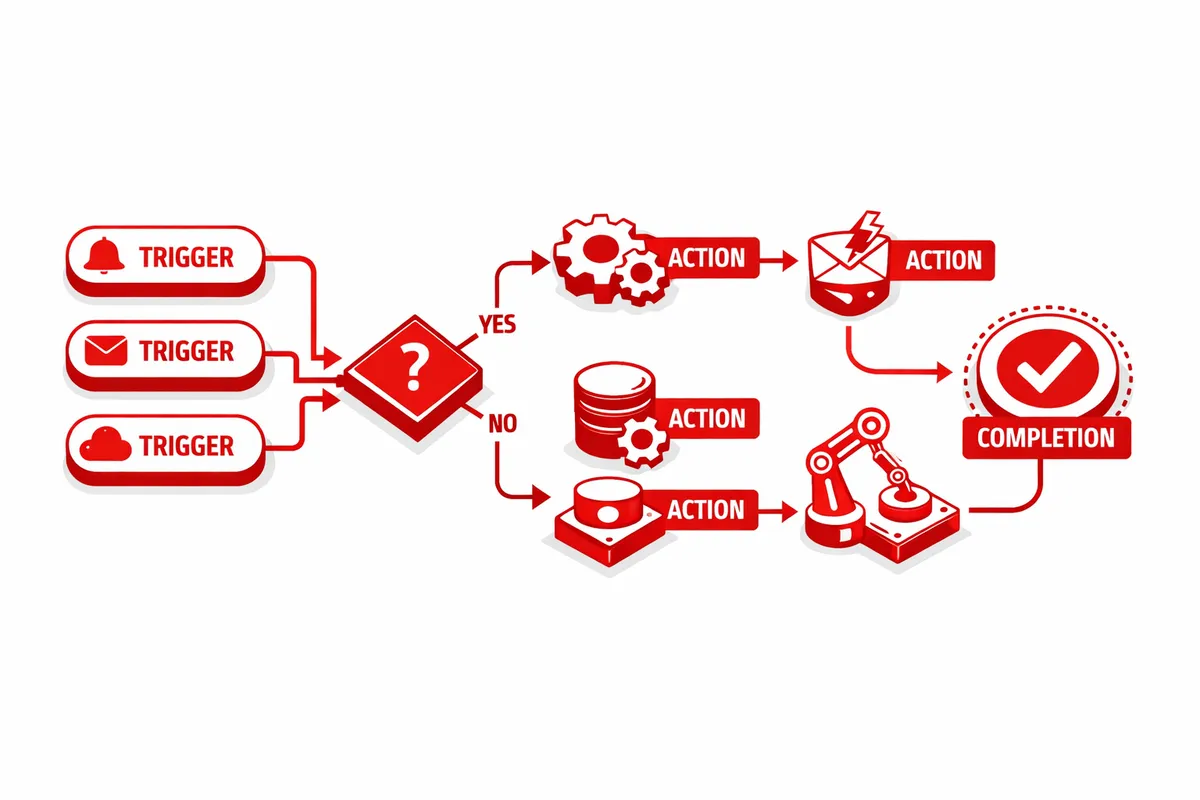
The implementation approach depends on the complexity of the workflow. Simple two-step automations that move data between systems when a trigger fires, like adding a new Google Form submission to a Mailchimp list, take an hour to configure in Zapier. Complex multi-step workflows that involve conditional logic, data transformation, multiple system connections, and error handling take days to build and test. We scope implementation time accurately based on the specific workflow rather than applying a generic estimate.
Testing is the step that separates functional automation from reliable automation. An automation that works in the test scenario but breaks on edge cases found in real South Loop production data creates problems worse than the manual process it replaced. We test automations with real data scenarios from your operation before setting them live.
Industries We Serve in South Loop
Professional services firms near Printers Row and Michigan Avenue automate client onboarding workflows, time-to-invoice sequences, follow-up communication schedules, and the administrative workflows that professional service delivery generates. A South Loop law firm that automates its new client intake from CRM to conflict check request to welcome email to matter setup saves hours of administrative work per new matter and eliminates the variation in client experience that manual onboarding creates.
Restaurants and hospitality businesses near Museum Campus, Soldier Field, and Roosevelt Road automate reservation confirmation sequences, post-visit review request emails, loyalty program enrollment, and the inventory ordering triggers that connect POS consumption data to supplier ordering. A South Loop restaurant that automates its post-visit email sequence captures more reviews and more repeat visits than one relying on staff to remember the follow-up.
Property management firms across South Loop's residential towers automate maintenance request routing, work order generation, completion confirmation, and tenant notification sequences. A South Loop property manager whose maintenance workflow is automated receives a maintenance request by email, which triggers a work order in the maintenance platform, which routes to the appropriate vendor, which notifies the tenant of the ETA, and which sends a completion confirmation when the work order closes. Staff review exceptions, not routine cases.
Fitness and wellness studios on State Street and Wabash Avenue automate trial class confirmation sequences, membership conversion follow-up, class reminder notifications, and the renewal alerts that reduce churn by reminding members before their membership lapses rather than after. A South Loop studio with fully automated member communication workflows delivers a consistent, professional member experience regardless of how busy the front desk is on any given day.
Retail and ecommerce businesses near Printers Row and Roosevelt Road automate order confirmation sequences, shipping notification workflows, review requests, and the inventory reorder triggers that keep in-demand products available through Museum Campus tourist peaks without manual monitoring of stock levels.
Healthcare and wellness practices on Roosevelt Road automate appointment reminder sequences, intake form distribution, follow-up care instruction delivery, and the administrative communication workflows that healthcare staff currently handle manually. Automation in healthcare contexts is built with HIPAA compliance requirements integrated rather than added as an afterthought.
What to Expect Working With Us
1. Process audit and prioritization. We document your South Loop business's manual workflows, estimate the time cost and error rate of each, and prioritize the automation opportunities by the combination of time saved and implementation complexity. You see the prioritized list before we build anything.
2. Automation design and tool selection. We design each automation's trigger, logic, data transformation requirements, and error handling, and select the middleware platform appropriate for the specific workflow. Zapier for simple two-system connections, Make for more complex multi-step logic, n8n for workflows requiring self-hosted infrastructure or more technical control.
3. Build, test, and deploy. We build each automation, test it with real data from your South Loop operation, resolve edge cases that the test reveals, and deploy to production with the monitoring that alerts your team when an automation stops working unexpectedly.
4. Training and documentation. We train your South Loop team on how to monitor the automations, recognize when something has gone wrong, and make minor configuration changes without requiring technical support. We document every automation in plain language that a non-technical manager can understand and reference.