How We Build Voice AI for South Loop
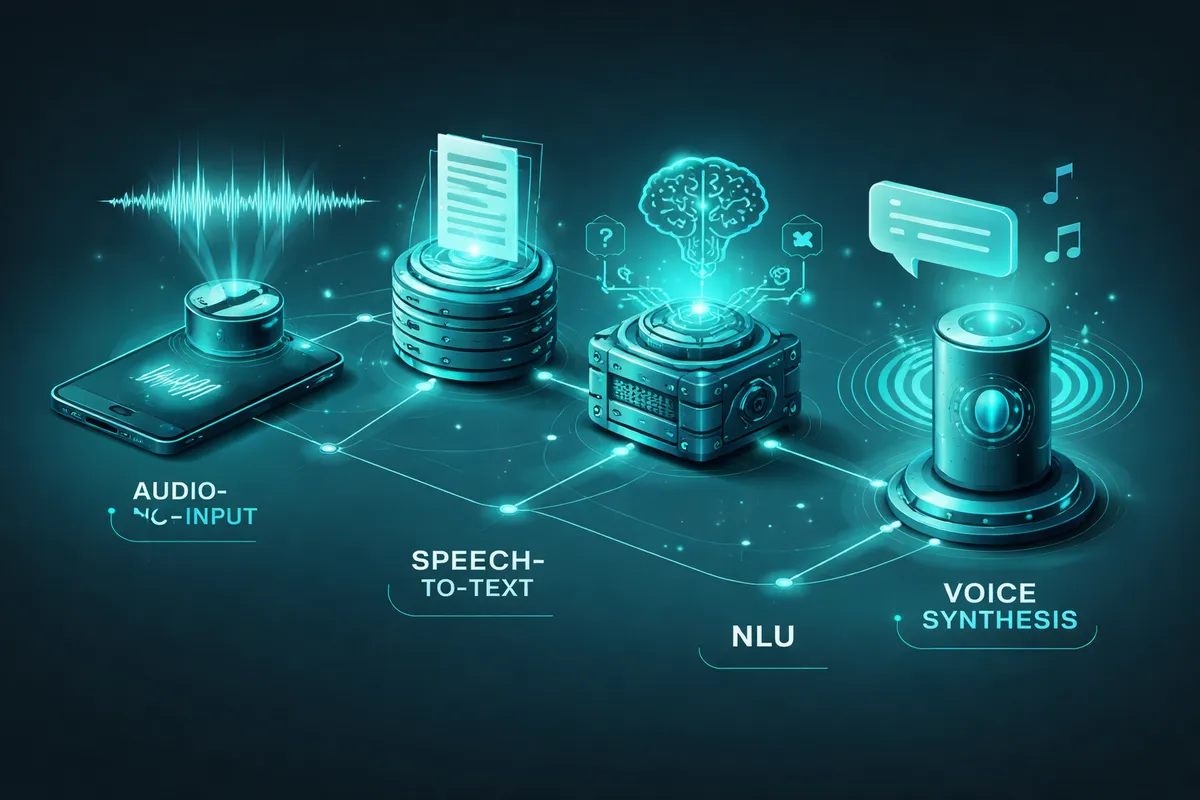
Voice AI implementation begins with a call flow audit. We analyze the phone calls your South Loop business currently receives: the most common questions, the call types that require human handling versus those that can be resolved automatically, the volume patterns across time of day and day of week, and the specific event-day volume spikes that create the most strain on your current phone handling capacity.
From the call flow audit, we design the voice AI conversation architecture: the intents the system needs to recognize, the information it needs to access to answer common questions, the routing logic that sends complex calls to the right human, and the escalation patterns for calls where the AI cannot help or where the caller's frustration level indicates human intervention is needed.
We implement on voice AI platforms appropriate for your South Loop business's call volume and conversation complexity. Simple FAQ-and-routing implementations use platforms like Twilio Voice with pre-built conversation flows. More complex conversational AI that handles reservation management, multi-turn service conversations, and dynamic information retrieval from your booking or CRM system uses platforms like Bland AI, Retell AI, or Vapi with custom conversation development. We match the platform to the conversation complexity rather than defaulting to the simplest or most complex option.
Integration with your South Loop business's operational systems, the reservation platform, the property management system, the CRM, connects the voice AI to the live data it needs to give accurate, current answers rather than static responses.
Industries We Serve in South Loop
Restaurants and bars near Museum Campus, Soldier Field, and Michigan Avenue implement voice AI for reservation handling, hours and directions inquiries, event-day specials information, and the menu questions that clog phone lines during busy service periods. A South Loop restaurant voice AI that handles the pre-game reservation surge without human staff frees the front-of-house team to focus on serving the guests already in the restaurant rather than managing the phone queue.
Hotels and accommodation businesses near Museum Campus implement voice AI for the high-volume FAQ calls that tie up front desk staff: check-in times, parking options, pet policies, breakfast hours, directions from O'Hare, and the "is there a gym?" and "what is the Wi-Fi password?" calls that repeat dozens of times daily. Voice AI handles these automatically while routing calls about room modifications, billing questions, and complaints to human staff.
Property management firms across South Loop's residential towers implement voice AI for maintenance request intake, after-hours emergency routing, and the standard tenant inquiry calls that a property manager's staff handles repeatedly. A voice AI system that routes "my heat is not working" calls to the emergency maintenance line and "when is the garbage picked up" calls to an automated information response reduces the after-hours burden on building management staff.
Professional services firms near Printers Row and Michigan Avenue implement voice AI receptionists that professionally handle incoming calls when staff are unavailable, collect caller information for return calls, describe practice areas and intake processes, and route urgent calls to the appropriate attorney or advisor. A South Loop law firm that never sends a prospective client to voicemail captures inquiry opportunities that competitors with similar Google rankings miss.
Fitness and wellness studios on State Street and Wabash Avenue implement voice AI for class schedule inquiries, membership pricing questions, and the trial class booking requests that arrive when front desk staff are occupied with classes in session. A studio voice AI that answers the "what times do you have yoga on Thursday?" question automatically without requiring a staff member to pick up the phone improves both the caller experience and the studio's operational efficiency.
Museum Campus institutions and cultural organizations implement voice AI for visitor information calls: directions, exhibit hours, ticket prices, accessibility information, and the event scheduling questions that museum phone lines receive at high volume before major exhibit openings.
What to Expect Working With Us
1. Call flow audit and conversation design. We analyze your current call patterns, design the conversation flows that handle each call type appropriately, and document the routing logic and escalation paths before any implementation begins. South Loop businesses review and approve the conversation design before we build it.
2. Platform setup and conversation build. We set up the voice AI platform, build the conversation flows, integrate with your booking, CRM, or property management system where real-time data access is needed, and configure the phone number routing that directs calls to the voice AI.
3. Testing and call quality validation. We test the voice AI with a range of call scenarios, including the edge cases and unusual requests that real South Loop callers will generate, and refine the conversation responses until the call quality meets the standard your South Loop business requires.
4. Launch and performance monitoring. We launch the voice AI system, monitor call completion rates, escalation rates, and caller satisfaction signals, and optimize the conversation flows based on what real South Loop call patterns reveal. Monthly performance reporting shows how the voice AI is handling your call volume and where refinements are needed.