How We Build UI/UX Design for South Loop
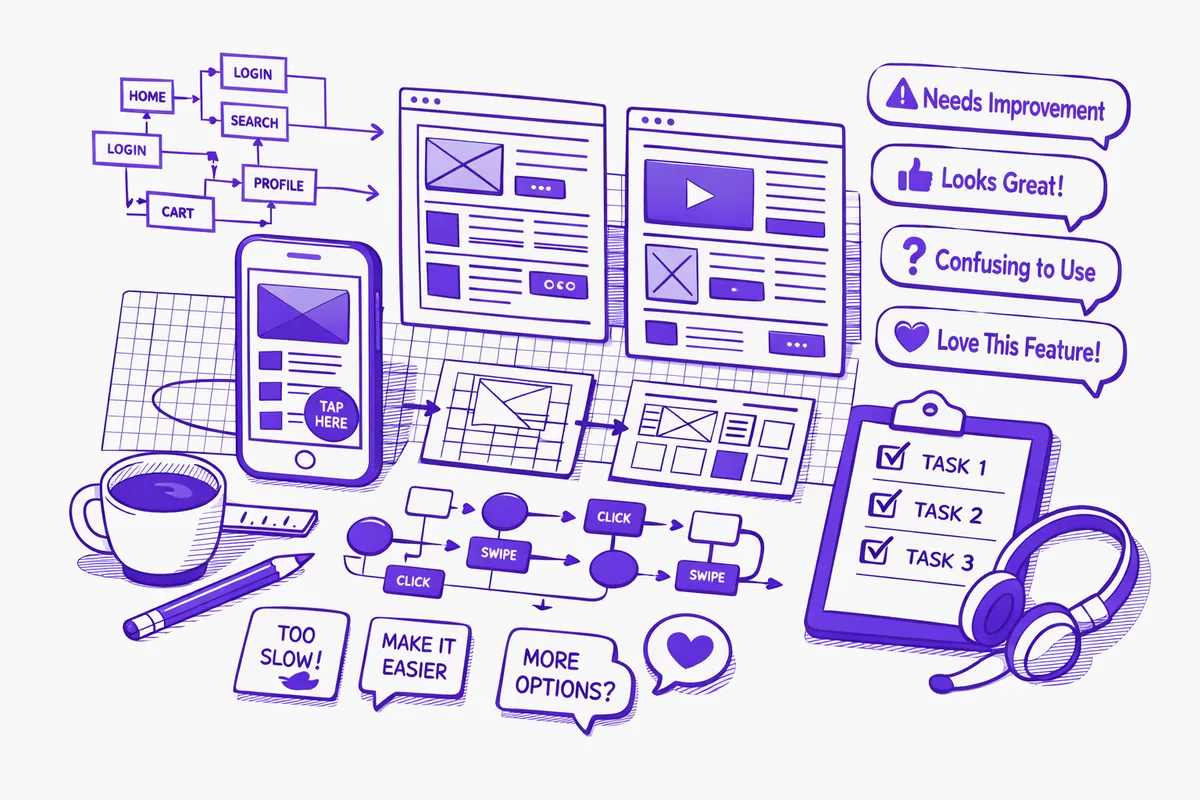
UI/UX design engagements begin with user research that establishes who the product users are, what they are trying to accomplish, what obstacles they currently encounter, and what a successful experience would look like from their perspective. For a South Loop hospitality business, user research involves understanding the difference between the Museum Campus tourist booking a single reservation and the regular resident managing a recurring reservation pattern. For a Columbia College-adjacent creative agency, it involves understanding how creative directors review work differently from production managers reviewing the same project.
From user research, we develop the information architecture: the structure of the product's content and navigation that allows users to move through the product logically rather than searching for features they know must exist somewhere. Information architecture is invisible when it works and immediately felt when it does not.
Wireframing translates the information architecture into testable layout structures that establish the placement of every element on every screen before any visual design is applied. Wireframes are tested with representative users to identify structure problems before the visual design layer is added. Changing the structure of a wireframe costs a fraction of changing the structure of a finished design or a built feature.
Visual design applies the aesthetic layer: color, typography, iconography, imagery, motion, and the spacing decisions that determine whether a South Loop product feels premium or generic. For a Museum Campus cultural institution, the visual design reflects the institution's brand identity and the quality standard that millions of annual visitors associate with the institution. For a Printers Row professional services firm's client portal, the visual design communicates the precision and care that professional service relationships require.
Industries We Serve in South Loop
Museum Campus cultural institutions and nonprofit organizations near 18th Street produce digital experiences, exhibit companions, membership portals, and educational platforms that serve audiences ranging from Chicago schoolchildren to international researchers. UI/UX design for Museum Campus institutions requires accessibility compliance, multilingual consideration for the institution's international visitor base, and the research-grounded design process that distinguishes institutional-quality digital products from amateur implementations.
Technology companies and SaaS businesses in South Loop's growing startup and professional market need product design that makes complex functionality feel simple and that competes with the professional design standards of the broader software market. A South Loop SaaS company that invests in professional UI/UX design from its initial product launch communicates quality to enterprise buyers who judge software quality partly by how it looks and how it feels to use.
Hospitality and restaurant businesses near Museum Campus and Soldier Field need UI/UX design for reservation systems, loyalty apps, and online ordering experiences that serve both the time-pressured tourist making a quick booking and the returning resident who has a preferred reservation pattern. The booking experience is part of the hospitality experience, and poor booking UX costs reservations before the customer ever reaches the restaurant.
Financial and professional services firms on Michigan Avenue and Printers Row need UI/UX design for client portals that serve professional clients with high expectations for the quality of tools they use in their working life. A client portal for a South Loop investment advisory firm or law firm that looks and functions like it was designed thoughtfully communicates the professional quality of the services it connects clients to.
Columbia College-adjacent creative businesses near Wabash Avenue need UI/UX design for their own digital products and portfolios that is evaluated by design-literate audiences who will notice the difference between thoughtful UX and assembled components. A creative agency's own website is its most visible design portfolio piece.
Property management operations across South Loop's residential towers need UI/UX design for tenant portals and maintenance request systems that serve a resident base with high digital expectations. A tenant portal that is frustrating to use generates phone calls that the portal was supposed to eliminate.
What to Expect Working With Us
1. User research and requirements definition. We conduct the user research that establishes who the product serves, what they need to accomplish, and where the current experience is failing them. For South Loop businesses, user research includes understanding the tourist versus resident user difference that affects many South Loop digital products.
2. Information architecture and wireframing. We develop the product's content structure and navigation, wireframe every key screen and interaction flow, and test the wireframes with representative users before moving to visual design. Structure problems caught at the wireframe stage cost a fraction of what they cost to fix after visual design and development.
3. Visual design and prototype. We apply the visual design layer and build a clickable prototype that represents the full user experience. South Loop businesses present the prototype to stakeholders and conduct usability testing with target users to validate the design before development begins.
4. Developer handoff and design system. We prepare production-ready design files with specifications, interaction annotations, and component documentation that allow development teams to build the design accurately. For South Loop businesses building long-term products, we deliver a design system that establishes consistent component patterns for future feature development.