How We Build Progressive Web Apps for South Loop
PWA development begins with the core user experience that the app needs to deliver for your South Loop customers. For a restaurant near Museum Campus, that core experience might be: view the menu, see today's specials, make a reservation, and optionally install to home screen for future visits. For a fitness studio on State Street, it might be: book a class, view the weekly schedule, manage membership, and receive push notifications for class reminders. Defining the core experience before writing code ensures that the PWA delivers genuine value rather than a watered-down version of a website.
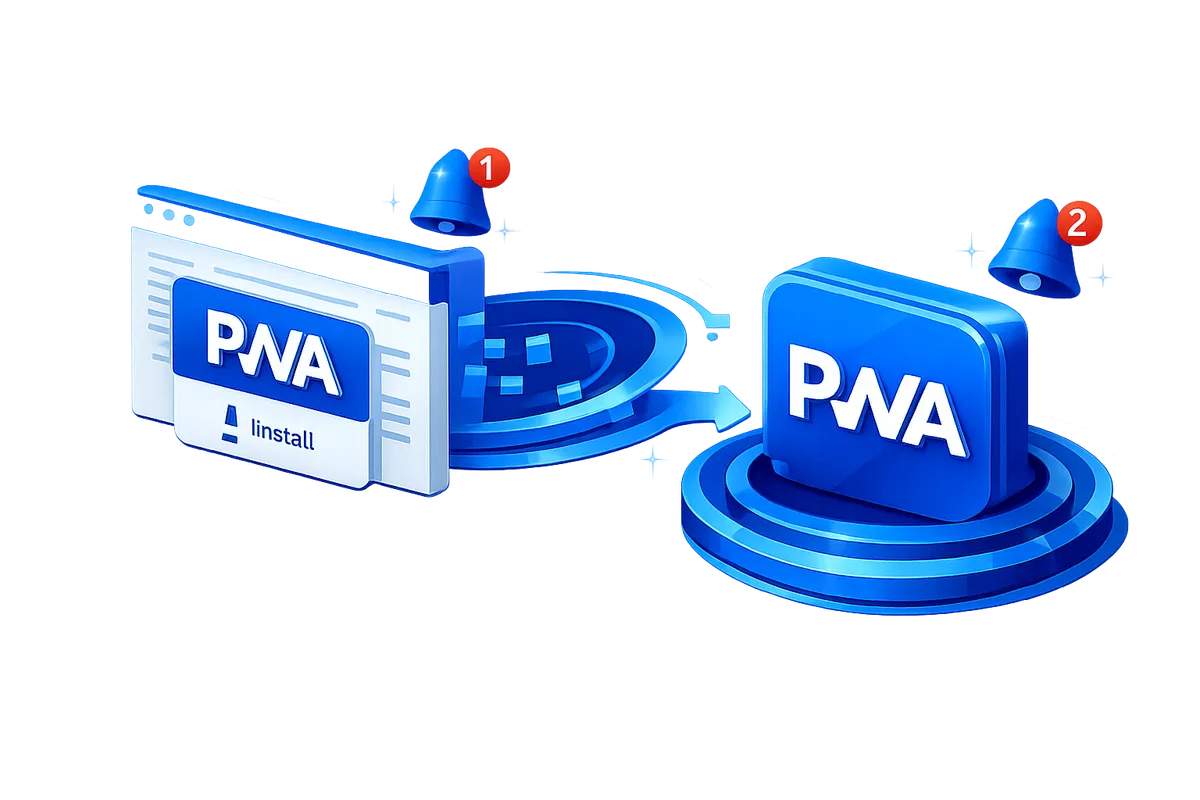
Technical implementation covers the service worker that makes the PWA fast and enables offline functionality, the web app manifest that controls how the PWA appears when installed to a home screen, the responsive design that makes the interface work on every screen size from a phone to a desktop, and the push notification API integration that enables direct communication with installed users. For South Loop businesses, push notification support for event-day alerts near Soldier Field and Museum Campus programming announcements is typically a priority feature.
Integration with existing South Loop business systems connects the PWA to the reservation platform, loyalty program, payment processor, and inventory system that the business already runs. A PWA that operates as an island disconnected from the business's operational systems creates more maintenance burden than it eliminates. We design integrations from the start.
Industries We Serve in South Loop
Restaurants and food service businesses near Museum Campus, Soldier Field, and Michigan Avenue use PWAs for menu display, reservation booking, online ordering, and the loyalty programs that convert first-time visitors into returning customers. A South Loop restaurant PWA that loads in under two seconds, works offline for menu browsing when signal is poor near the lakefront, and offers a push notification opt-in for event-day specials delivers the tourist conversion value that a native app would require a download for.
Fitness and wellness studios on Wabash Avenue and State Street use PWAs for class booking, schedule viewing, and membership management. A South Loop fitness studio PWA on a member's home screen means the booking touchpoint is always one tap away rather than requiring navigation to a website or triggering a separate app.
Retail and specialty shops near Printers Row and Roosevelt Road use PWAs for product browsing, loyalty programs, and the event calendar features that drive foot traffic to in-store programming. A specialty bookshop near Wabash Avenue with a PWA delivers new arrivals notifications, author event calendars, and loyalty point tracking in a home screen app without requiring App Store approval or ongoing native app maintenance.
Event and entertainment businesses near Soldier Field and Grant Park use PWAs for event programs, wayfinding guides, and the attendee communication that turns a paper program into an interactive digital companion. A Soldier Field-adjacent venue PWA that provides interactive schedules, food and beverage menu access, and parking information reduces the physical infrastructure cost of event management.
Professional services firms near Printers Row and Michigan Avenue use PWAs for client portals that provide document access, project status visibility, and secure communication without requiring enterprise app infrastructure. A South Loop accounting firm with a PWA client portal delivers a professional client experience comparable to much larger firms.
Museum Campus institutions and cultural organizations use PWAs for visitor guides, exhibit companion applications, and the educational content that extends the museum experience beyond the physical walls. A Field Museum-adjacent PWA that provides exhibit context, audio guides, and interactive content enhances the visitor experience without the friction and maintenance cost of a native app.
What to Expect Working With Us
1. Feature definition and user experience design. We define the core PWA features that create genuine value for your South Loop customers, design the user experience with the specific South Loop customer mix in mind, and document the technical requirements before development begins.
2. PWA development and integration. We develop the PWA with service workers, web app manifest, responsive design, and all required integrations with your South Loop business systems. Push notification integration is built in for businesses that identify it as a priority feature.
3. Testing across devices and conditions. We test the PWA on iOS and Android devices, including offline functionality that matters for South Loop customers in areas with variable connectivity. We test the installation experience on both platforms to ensure the home screen prompt works as intended.
4. Launch and adoption support. We provide the launch assets: QR codes, table cards, and website prompts that encourage South Loop customers to install the PWA to their home screen. Adoption requires active promotion at every customer touchpoint, and we design the adoption campaign alongside the technical delivery.